Sensoria smart clothing reviewed: A ton of running data at your toe-tips

Can a pair of connected socks and a smart bra really up your running game?

Video shot/edited by Jennifer Hahn. (video link)

Wearables are becoming more common, but smart clothing—arguably the most wearable wearables—remains somewhat obscure. Sensoria Fitness was one of the first companies on the smart clothing scene, and now it has a family of smart socks, shirts, and bras meant for those who are serious about fitness. The $199 smart socks have sensors embedded in them to collect running data, and the $139 smart bra has a built-in heart rate monitor ideal for heart rate zone training. While smart clothing may seem like a no-brainer for fitness buffs, execution is key: do these smart garments add enough value to training to be worth the price? And are they worth buying instead of other fitness trackers that collect the same stats?

Design: Comfortable, but a little embarrassing

Sensoria did its best to design its smart clothing as conventionally as possible. The socks look fairly simple at first glance, except for the thumb-sized strip attached near the top with the magnetic nodes that connect to the modules. This strip is made of a flexible, rubber-like material, and it's sewn into the fabric of the sock in order to move and bend along with the rest of the garment.

Read 18 remaining paragraphs | Comments

Xiaomi puts a 4100 mAh battery in the $105 Redmi 3 budget smartphone

The Redmi 3 will have 80 percent more battery life than the previous model.

As 2016 begins, Xiaomi continues to make budget devices with features and materials that no one would usually think of as "budget." The company announced its newest low-cost smartphone, the Redmi 3, which looks even more like an iPhone than other Xiaomi phones thanks to an all-metal body and an impressive battery bump.

While the Redmi Note 2 has colorful, plastic back sides, the Redmi 3 models appear to come in gold, silver, and gray metal. It's not a shock that the latest Redmi phone is getting the metal treatment since Xiaomi's Redmi Note 3 phablet was upgraded in the same way at the end of last year. In comparison to the Redmi 2, the 13-megapixel rear camera on the Redmi 3 has been moved to the top left corner of the device, reinforcing its "cheaper iPhone" identity—other than that, the phones have similarly simple designs.

Xiaomi upped nearly all of the specs in the Redmi 3, with the jaw-dropper being its new 4100mAh battery. The Redmi 2 only had a 2200mAh cell, meaning the new handset will reportedly have 80 percent more juice that its predecessor. It's also quick-charging, but Xiaomi hasn't stated how long it will take for the Redmi 3 to power up completely. The new model also comes with an octa-core Qualcomm Snapdragon 616 processor (vs. the Redmi 2's Snapdragon 410 CPU), a 5-inch HD display, a 5MP front-facing camera in addition to the 13MP on the back, 16GB of onboard storage (expandable via microSD up to 128GB), and 2GB of RAM. It's dual-SIM capable as well, but one of the SIM card slots doubles as the microSD card slot, so you'll only be able to have two SIM cards installed if you forego the extra storage.

Read 2 remaining paragraphs | Comments
Dell refreshes Latitude 7000 line, adds USB Type-C and a hint of style

After refreshing the 5000 work notebook series, Dell is back with new 7000s too.

(credit: Valentina Palladino)

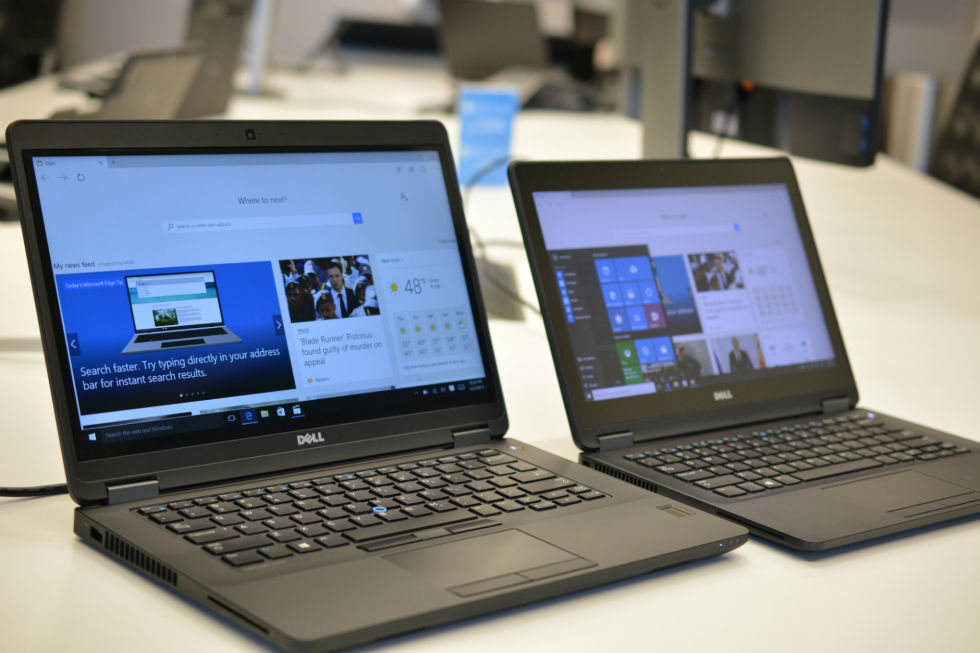
While CES offers a lot of new gadgets to consider and anticipate every year, it also brings a lot of updates to existing product lines. Dell announced a major update to its commercial line of notebooks, revealing a refreshed Latitude 7000 series along with a few new displays and accessories that aim to make the lives of all types of workers easier.

According to Dell representatives, the company wanted to not only improve the internals of its elite enterprise line but also incorporate some of the design aspects most loved in its XPS series. The members of the Latitude 7000 series (there are 12-, 13-, and 14-inch models) are made with woven carbon fiber and magnesium alloy, making them thinner and lighter than previous models. They're painted with a soft-touch finish as well, so even if they don't have the sleek, silvery look of the XPS series, they're still elegant. The display bezels have been slimmed, however, the north and south sides of each screen remain slightly thicker so you can pick up any touchscreen models without disturbing anything on the screen.

As with all of Dell's commercial notebooks, the 12- and 14-inch Latitude 7000 models can be customized to suit any business needs. Both can support up to Intel Core i7 processors, up to 16GB of RAM, 512GB SSDs, and up to 55 watt batteries. Intel HD Graphics 520 come standard, but the 14-inch can be upgraded to an Intel HD Graphics 540 GPU. Both have anti-glare HD display options, and you can upgrade the 12-inch model to an FHD touch display and the 14-inch notebook to a QHD touchscreen. Ports on each model are the same, including an SD card reader, SIM card slot, three USB 3.0 ports, and one HDMI port.

Read 7 remaining paragraphs | Comments

Samsung reveals luxury Gear S2 Classics, brings iOS support to smartwatch line

Samsung Pay is coming to the Gear S2 Classics along with iOS support.

(credit: Andrew Cunningham)

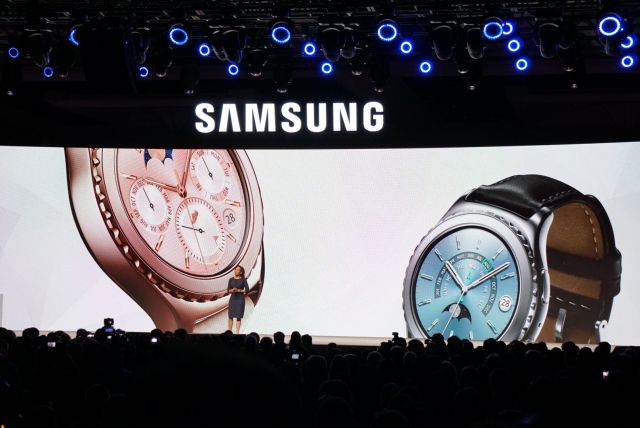
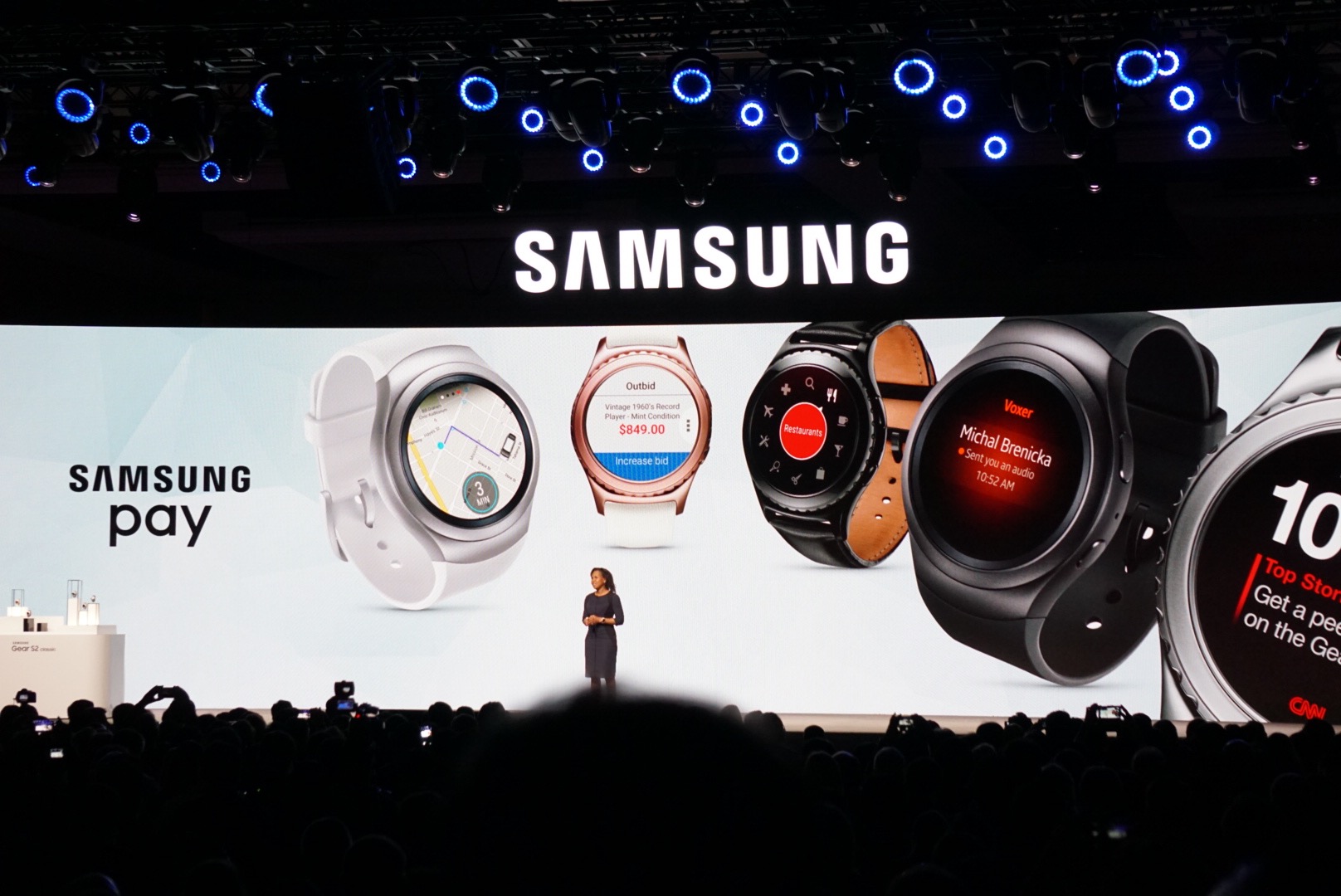
Samsung has upped its smartwatch game with what it's calling premium materials and high-end style. The company announced two new Gear S2 smartwatches at its CES press event, one encased in 18K rose gold and the other in platinum. While these finishes are more luxe than the all-black Gear S2 Classic released in 2015, they won't be that much more expensive. According to Samsung, the gold and platinum finishes sit atop of the devices' stainless steel frames.

Samsung also announced that the Gear S2 collection will support Samsung Pay with NFC, although a specific time for that feature hasn't been announced. Continuing the luxury trend, Samsung released a few new straps and bracelets for the smartwatch, as well as new watchfaces created in partnership with artists including Keith Haring, Jean-Michael Basquiat, and Jeremyville.

But arguably the most exciting announcement about the Gear S2 range is that they will work with iOS devices at some point. Samsung only briefly mentioned this during its press conference, so not much else is known about when its smartwatches will be able to work with Apple devices.

Read 2 remaining paragraphs | Comments

Withings expands fitness family with button-sized, e-ink Go tracker

The $69 device is the company’s least expensive and most versatile tracker.

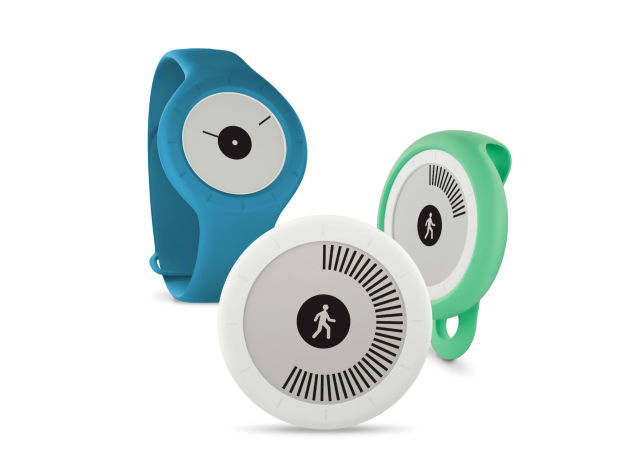
Withings is known for its elegant line of products as well as their typically high price tags. In an effort to appeal to the masses, the company debuted the baby of its fitness tracker family at CES 2016: the Withings Go. The coin-sized device promises to automatically track your activity and sleep, show your progress on its e-ink display, and be so small and light that you might end up misplacing it somewhere.

If you've been shopping around for fitness trackers at all, you'll immediately notice the Withings Go's resemblance to devices like the Jawbone Up Move and the Fitbit Zip. It's a small disk that can fit into a wristband or a clip carrier so you can wear it in different ways. Jawbone's Up Move as well as the Misfit Flash use LEDs to indicate settings and time rather than full displays, but the Withings Go uses an e-ink display that covers one side of the disk. It uses a dial to show your activity goal progress for the day, and the same bar can change to show the time. While we haven't seen how this will look on the device yet, it seems like it would be a better substitute for a watch than other LED-equipped devices since those tend to tell time with nuanced blinking lights.

Like other Withings trackers, the Go monitors activity and sleep automatically and will recognize when you're walking around your home or running around the block. It's water resistant up to 5ATM, or up to 50 meters, meaning you can swim with it as well. Withings has always included swim tracking in its devices, and the Go doesn't deviate from this as it recognizes swim strokes automatically. When the device senses you're completing vigorous activity, it will monitor distance, calories, and duration without the need for any interaction from you; all of that information is then shared with the Withings Health Mate app for Android and iOS. You won't even have to worry about charging the device regularly, as it's powered by a removable button cell battery which will last at least eight months.

Read 3 remaining paragraphs | Comments

Fitbit’s Blaze is the company’s attempt to make a fashionable fitness watch

The $200 device has a color display and receives phone alerts, but lacks a GPS.

(credit: Fitbit)

With all of the smartwatch and fitness tracker launches in 2015, one company was noticeably silent after releasing three activity-focused devices: Fitbit. The company had a huge year with the launch of its Charge, Charge HR, and Surge fitness trackers, and it also went public in June. Fitbit is back with its first new device of the year: the Blaze smartwatch. At $200, it sits in between the $150 Charge HR and the $250 Surge as a more stylish watch that can also track daily activity and intense workouts.

The Blaze is one of the more customizable devices in Fitbit's family. Its hexagonal module can be popped out of its band and inserted into others, and there are leather, silicone, and stainless steel options available. It's also the first Fitbit device to sport a color LCD touchscreen, positioning it against the Apple Watch more directly than any of the company's other devices.

Fitbit lists an ambient light sensor as part of the Blaze's specs, which could mean you have the option to keep the display always-on, making it a better timepiece. However, when compared to other devices that ape the appearance of analog watches, the Blaze certainly isn't the most fashionable device your money can buy.

Read 6 remaining paragraphs | Comments
Under Armour and HTC create HealthBox, a fitness device bundle for athletes

The $400 box contains a fitness tracker, a smart scale, and a heart rate strap.

(credit: HTC)

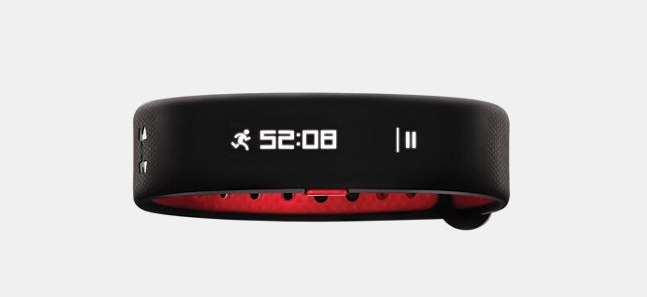
Fitness tech continues to have a strong presence at CES 2106, with some bigger names now jumping into the hardware field. Today, Under Armour revealed its partnership with HTC in the form of HealthBox, a fitness tracker, smart scale, and heart-rate chest-strap bundle that work together to connect with the revised Record app. Neither company is a stranger to fitness tech, but this is a first-time collaboration for them and the first connected devices from Under Armour in a long time.

HealthBox tries to take the guesswork out of creating a connected fitness ecosystem that’s easy to set up and use. The $400 box includes the UA Band, which rose from the ashes of the HTC Grip that was unceremoniously cut from the company's product line; the UA Scale, which monitors weight and body fat percentage to lead you towards a new goal weight; and the UA Heart Rate strap, which appears to be just like any other Bluetooth-connected chest strap that tracks pulse, heart rate zones, and workout intensity.

This is the most visible manifestation of Under Armour's connected fitness endeavors to date. Ever since the company purchased MyFitnessPal, MapMyRun, and Endomondo, Under Armour is looking to be a presence of the fitness tech world. All of the aforementioned apps can be connected to most popular fitness trackers including Fitbit devices, so you may not be aware of Under Armour's presence initially, but it's there. Now with HealthBox, users have the option to go all-in with Under Armour and its community of athletes.

Read 4 remaining paragraphs | Comments

Misift’s Ray is the slender, more fashionable cousin of its Shine fitness band

The svelte, $99 fitness tracker can be worn on your wrist or as a necklace.

Misfit has announced its newest device, the Misfit Ray, at CES 2016. The thin, tubular tracker is the first device to come from Misfit since the company was acquired by Fossil last year, although it's unclear how much input the fashion company had in the development of this device.

Until now, Misfit's trackers have been extremely minimalist: disks with small LED lights attached to thin bands, ideal for drawing as little attention as possible. The Ray shows a different approach, as it is designed in a longer, more narrow fashion, but it remains subtle and unassuming at 38mm long and just 12mm thick. Rather than many LEDs, there's just one on the Ray, which will display different colors to alert you to text, call, and alarm notifications from your phone. The Ray has a tri-axis accelerometer inside and will track everything the Misfit Shine can, including activity and sleep. It has a vibration motor as well, so it will buzz when you've been inactive for too long or when you have an alert coming in.

There's nothing terribly unique about the band, other than the fact that you can take the module off of it so you can wear it as a necklace or use it in different accessories. The module itself is water-resistant up to 50 meters, so you won't have to worry about damaging splashes or accidental dunks. Like many of Misfit's other trackers, the Ray's battery is non-rechargeable and only needs to be replaced every six months.

Read 2 remaining paragraphs | Comments

Garmin releases hardcore Tactix Bravo GPS watch, adds HRM to Fenix 3

The $699 multisport watch packs a lot of GPS power, and tracks golf and rowing.

Garmin is kicking off the year at CES 2016 by focusing on its outdoor line of smartwatches. The company announced the new Tactix Bravo multisport GPS watch and new Fenix 3 HR watches featuring Garmin's Elevate wrist-bound heart rate monitors.

The features of the Tactix Bravo might persuade one to be more of an adventurer, or at least make them jealous of law enforcement types who may find this device useful. It has an all-black design, a scratch-resistant sapphire lens, and a knurled bezel which has a diamond-like carbon coating to protect against scrapes as well. Not only does the all-black look sleek, but it's meant to make the watch as invisible as possible especially in low light. Its display even has a "night vision" mode so users can see it while wearing night vision goggles. You'll be able to break up the black with interchangeable bands, so you can make somewhat of a fashion statement wearing it to the office.

The Tactix Bravo's GPS features alone will be enticing for hardcore hikers, extreme adventurers, Leonardo DiCaprio in The Revenant—basically anyone who wants to go off the grid and make it back easily and safely. It has a built-in, high-sensitivity GPS as well as an EXO antenna and GLONASS support, both of which help make the GPS faster and more accurate. You can save up to 1,000 waypoints and mark your starting point before heading out so you can find your way back quickly. It also supports dual-position mode, which lets the display show two sets of coordinates at the same time.

Read 4 remaining paragraphs | Comments

LG’s Amazon Echo-like device controls smart home devices and plays music

The SmartThinq Hub is a portal to your smart appliances and sensors.

(credit: LG)

Ahead of CES 2016, LG is hopping on the smart speaker bandwagon with a new device that looks somewhat familiar. The company announced its SmartThinq Hub today, a smart home hub with an LCD display that can control intelligent appliances and sensors and stream music. It looks quite similar in design to Amazon's Echo, but LG is positioning the hub as a "gateway" to your connected home rather than a voice-activated personal assistant that lives on your countertop.

The cylindrical device has a built-in speaker and a 3.5-inch color LCD display that's positioned on the slanted top of the hub. According to LG, the display will not only show you information like the time and weather, but it will also flash with calendar alerts from your smartphone. It's not immediately clear if the SmartThinq Hub will be able to show you other smartphone notifications, such as text, call, or social media alerts.

(credit: LG)

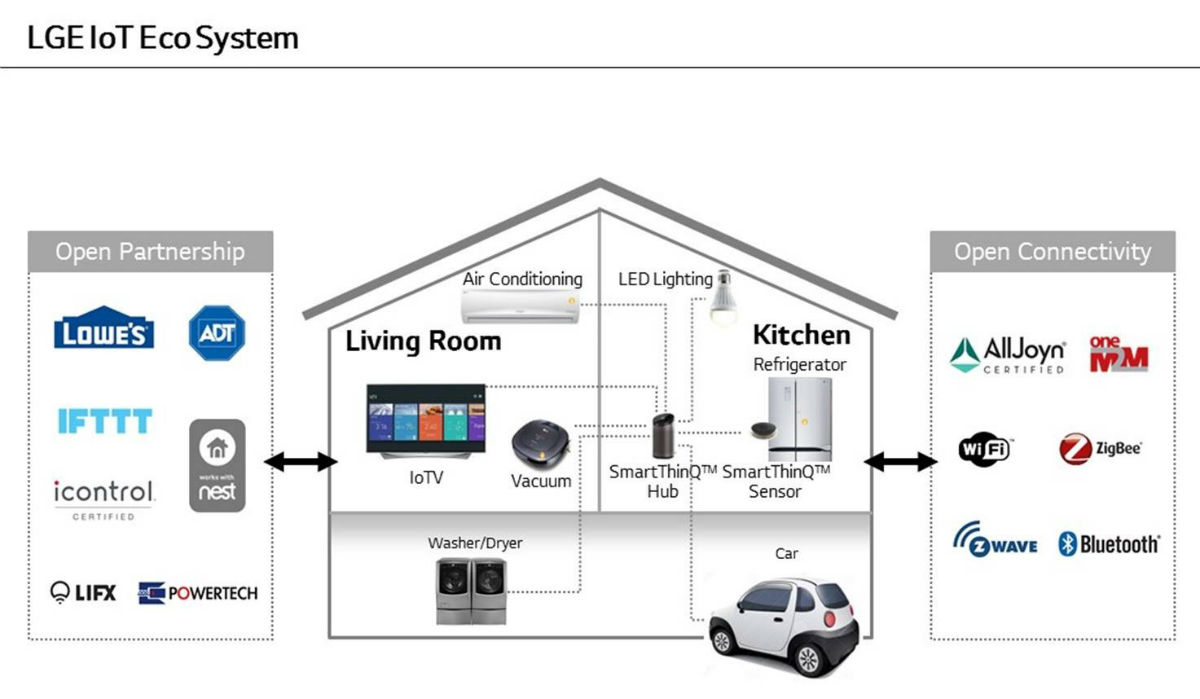
The SmartThinq Hub is meant to be used as a monitor and controller for all your other smart appliances and products. LG makes a wide range of connected appliances including refrigerators, washing machines, and ovens, all of which can be controlled via the SmartThinq Hub and its companion smartphone app. LG announced its SmartThinq Sensors earlier this year, which can be applied to "normal" objects to make them smart, and those that are connected via Wi-Fi, Bluetooth, and Zigbee can be controlled via the hub, too. LG's products are not the only items compatible with the hub: any smart home device that supports the AllJoyn Alliance open source framework can work with the hub as well.

Read 3 remaining paragraphs | Comments