Prejudice against black people persists, but gender, geographic biases are problems too.
Apple and Google both take a 30 percent cut of revenue from apps sold through the App Store and Google Play Store, which means developers only get 70 cents for every $1 purchase. The same goes for in-app subscriptions that use the App Store or Google P…

Apple and Google both take a 30 percent cut of revenue from apps sold through the App Store and Google Play Store, which means developers only get 70 cents for every $1 purchase. The same goes for in-app subscriptions that use the App Store or Google Play for billing, which means that if you pay $9.99 per month for a subscription service, the app maker only gets to keep about $7 of it.
But soon both Google and Apple will switch from a 70/30 split on subscription revenue to an 85/15 split, according to reports from The Verge and Recode.
Continue reading Apple, Google to offer app developers bigger cut of subscription revenue at Liliputing.

We crash test cars, but we don’t crash test the code they run.
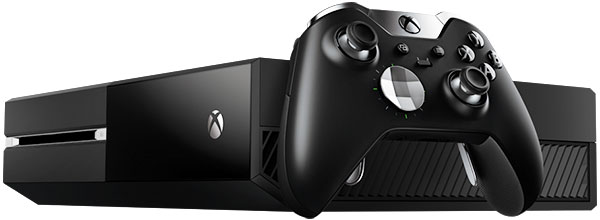
Microsoft scraps plans to turn console into an over-the-air recorder.
Ars Live guest Sarah Jeong will discuss the worst parts of the Internet that aren’t spam.

The software that runs on millions of Android phones is based on code from the Android Open Source Project… and since it’s an open source project, it’s possible for anyone to build and modify the software for their own needs, with or without Google’s help. That’s why Amazon can use a heavily modified version of Android for its Fire tablets and TV boxes, and it’s why you can now (sort of) run Android on an iPhone.
Continue reading This case lets you run Android on an iPhone (kind of) at Liliputing.

The software that runs on millions of Android phones is based on code from the Android Open Source Project… and since it’s an open source project, it’s possible for anyone to build and modify the software for their own needs, with or without Google’s help. That’s why Amazon can use a heavily modified version of Android for its Fire tablets and TV boxes, and it’s why you can now (sort of) run Android on an iPhone.
Continue reading This case lets you run Android on an iPhone (kind of) at Liliputing.
Long hours of critical thinking may drain your brain’s resources for mustering willpower.
Everything there is to know about what is said to be a software-focused WWDC.

Google’s Project Fi is a cellular network made up of other cellular networks. The idea is that your phone with a Project Fi SIM will connect to whatever supported network offers the best signal, whether that be a WiFi network or a cellular one.
When Project Fi first launched, it worked on two cellular networks: T-Mobile and Sprint. Now Google has announced a new partner: US Cellular.
That means Project Fi now works with three of the five largest mobile networks in the US… it just doesn’t support the two that are actually the biggest: Verizon or AT&T.
Continue reading Google’s Project Fi now combines three wireless networks (T-Mobile, Sprint, and US Cellular) at Liliputing.

Google’s Project Fi is a cellular network made up of other cellular networks. The idea is that your phone with a Project Fi SIM will connect to whatever supported network offers the best signal, whether that be a WiFi network or a cellular one.
When Project Fi first launched, it worked on two cellular networks: T-Mobile and Sprint. Now Google has announced a new partner: US Cellular.
That means Project Fi now works with three of the five largest mobile networks in the US… it just doesn’t support the two that are actually the biggest: Verizon or AT&T.
Continue reading Google’s Project Fi now combines three wireless networks (T-Mobile, Sprint, and US Cellular) at Liliputing.
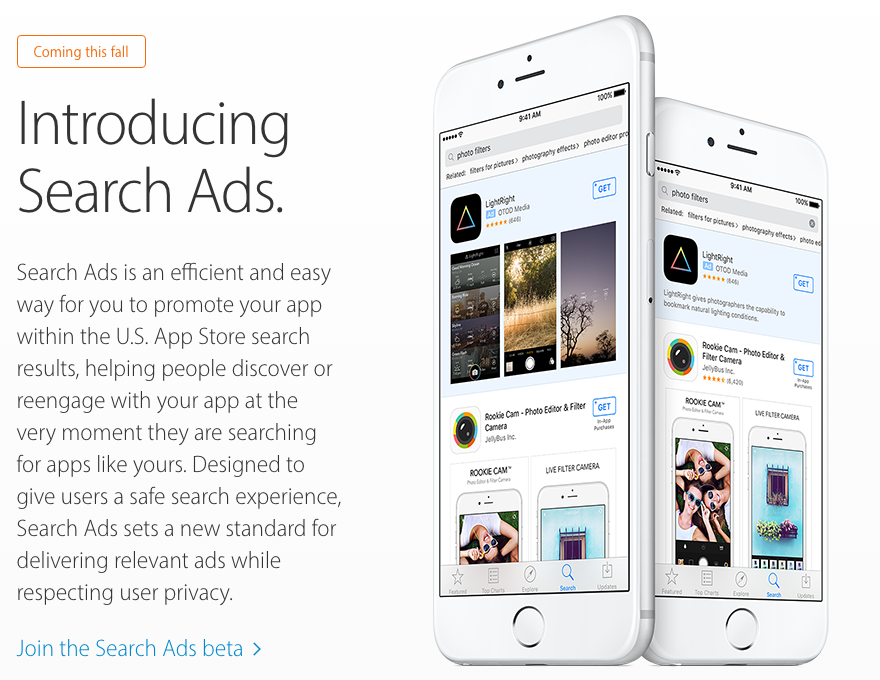
Better terms for developers, speedier reviews, and better discovery are on tap.