Boaty McBoatface beaten by Sir David Attenborough in UK science ship naming

A clever move, naming the ship after a universally loved Briton.

The UK's new £200 million polar research ship will not be called Boaty McBoatface. The decision was announced early on Friday morning by the UK science minister, Jo Johnson.

Instead, the new ship will be called the RRS (Royal Research Ship) Sir David Attenborough—a name that also picked up a few votes in the same poll that saw Boaty McBoatface come out way on top.

Showing at least a little bit of political savvy, Jo Johnson didn't completely discard the people's choice: RRS Sir David Attenborough will be outfitted with a number of remotely operated underwater vehicles (see gallery above), and one of those will be called Boaty McBoatface. Hopefully they'll paint a dorky face on the front of its torpedo-like frame.

Read 7 remaining paragraphs | Comments
Ars Technica UK is one year old today: Here’s what’s coming next

Our first year has been a huge success. If you have any feedback, we’d love to hear it.

Ars Technica UK launched exactly a year ago today. (I originally wanted to launch the site on May 4th, so that we could make all sorts of bad Star Wars jokes, but unfortunately that was a national holiday.) It has been a busy, exciting, and stressful year for everyone at Ars Technica UK. It turns out that launching a new division of an 18-year-old website is a lot of hard work! Who would've thought it?

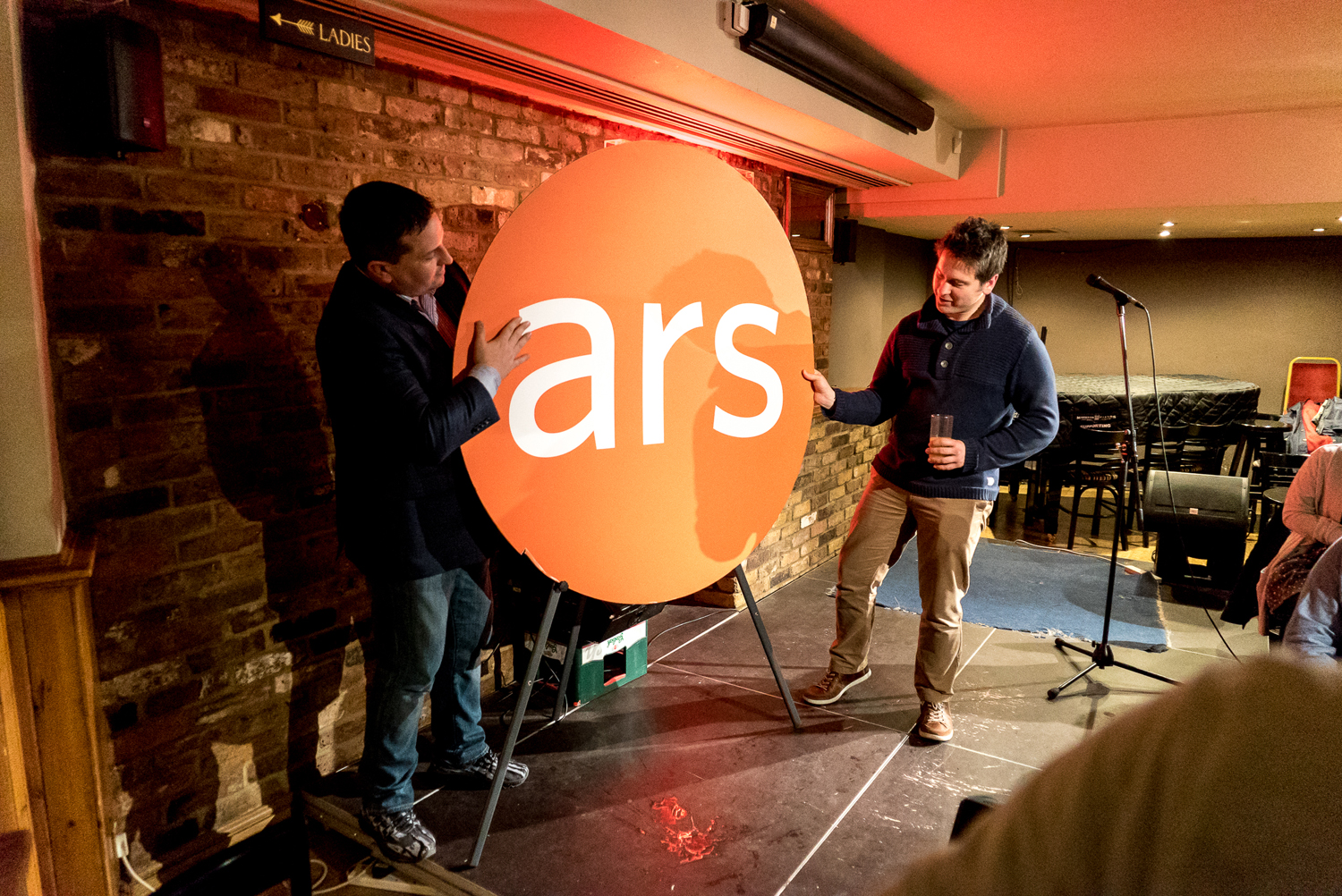
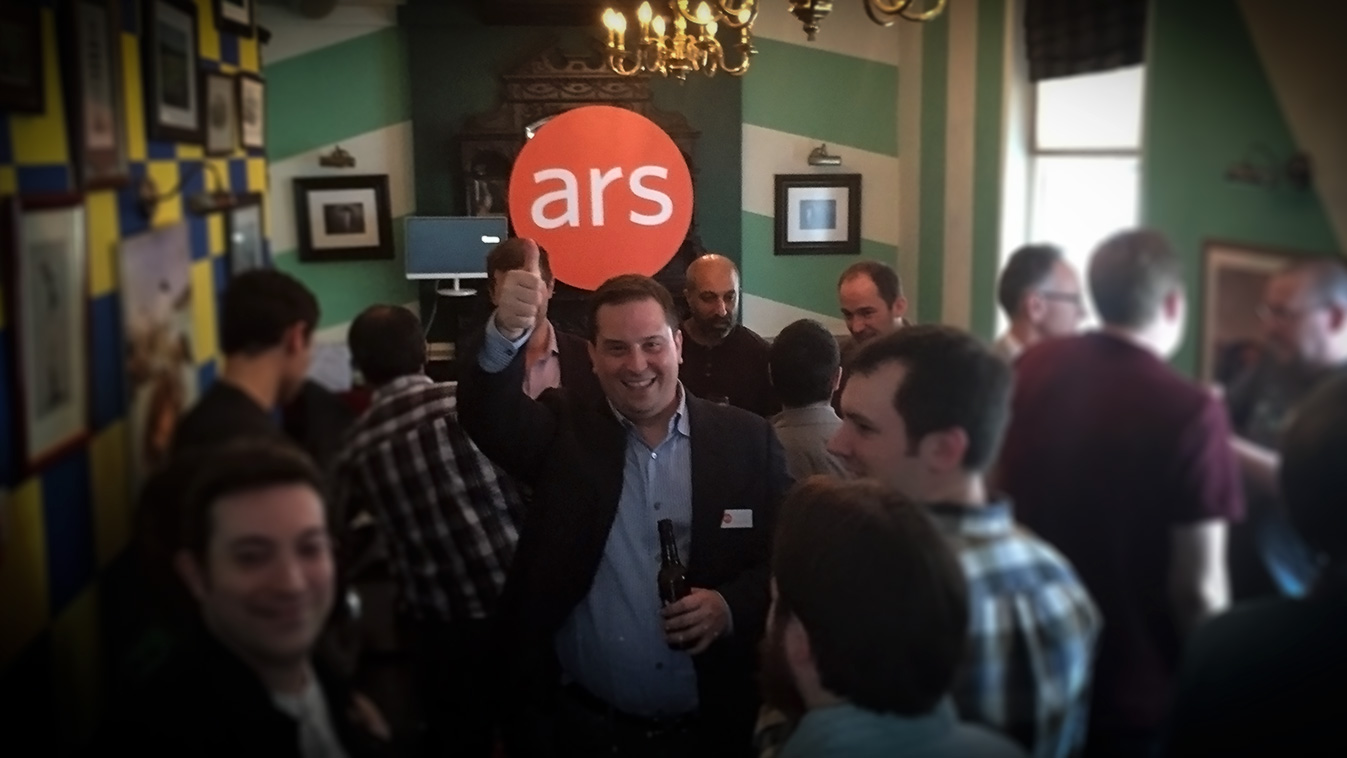
But, I'm happy to announce, the first year has been a resounding success. Case in point: look at the awesome community meetup we had in London last week! About 120 of you turned up and spent five hours talking about such wondrously diverse topics as TTIP, cars, GPU overclocking, and the incoming Snooper's Charter. I talked so much, and so emphatically about the full gamut of nerdy topics that I lost my voice!

We've had three meetups over the past year, each a bit larger than the last. The first question I always ask attendees is, "Do you like Ars UK?" followed swiftly by "Is there anything we're doing wrong?"

Read 9 remaining paragraphs | Comments

World’s largest aircraft “weeks” away from first UK test flight

Giant Airlander 10 has been officially named. Just a few safety checks remain.

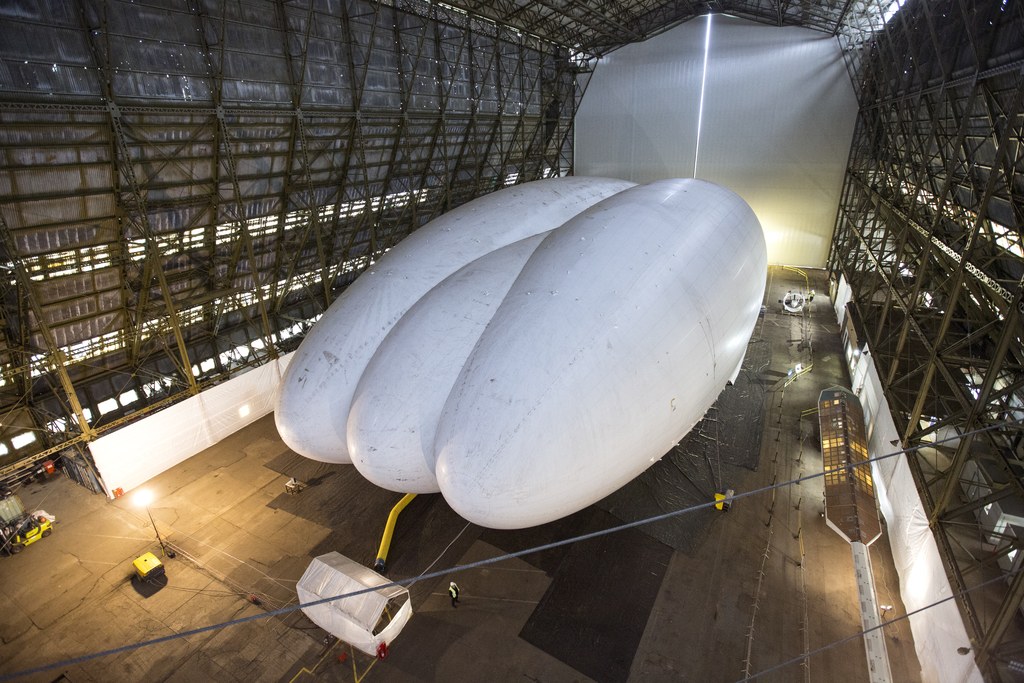
Airlander 10, the world's largest and longest aircraft, is preparing to gently glide out of its gargantuan shed—which is incidentally the largest hangar in the UK—at Cardington Airfield in Bedfordshire.

Earlier this month Airlander 10, which is being built by Hybrid Air Vehicles (HAV), was officially named Martha Gwyn by the duke of Kent. HAV is now in the "final stages of testing" before it can exit the hangar, which will be a "matter of weeks" rather than months.

The Martha Gwyn is an odd beast. At its most basic, it's a 92-metre (302ft) blimp filled with 38,000 cubic metres of helium. There are four propellers—two at the back, one on the front left, one on the front right—that provide vectored thrust from four V8 turbo-diesel engines. But in addition to those rather mundane elements, the envelope (the bit that holds all the helium) has an aerofoil silhouette that reportedly increases lift efficiency by 40 percent.

Read 7 remaining paragraphs | Comments
Microsoft adds QR codes to BSODs in new Windows 10 preview build

First a frowny face and now QR codes for troubleshooting.

(credit: javelinnl)

The latest Insider Preview build of Windows 10 (build 14316) has tweaked the Blue Screen of Death to include the most moddest of cons: a QR code.

Now, instead of scrambling to write down the CRYPTIC_ERROR_CODE, you can just whip out your smartphone and scan an on-screen QR code. If you don't have a phone or QR scanner to hand, the new Insider Preview BSOD also includes a help page URL that you can try to remember (or take a photo of).

In theory it's a pretty neat idea. In practice the feature isn't quite there yet: currently the QR code (and the written URL) always points you to the same "dealing with blue screen errors" page, irrespective of the actual error code. Presumably future builds of Windows 10 will have QR codes and URLs that are a little more targeted. Maybe that empathetic frowny face will be replaced with a variety of different emoji, depending on the crash, too.

Read 3 remaining paragraphs | Comments
GCHQ wizards helped prevent Harry Potter book from leaking online

Harry Potter had friends in high places, according to the book’s publisher.

Back in 2005, the fate of Harry Potter was important enough that GCHQ reportedly stepped in to stop a potential leak of the sixth book in the series, Harry Potter and the Half-Blood Prince.

In a radio interview last week, Nigel Newton of Bloomsbury Publishing spoke about how the publisher had employed strong security measures to prevent possible leaks, including guard dogs and a constant security presence at the printing press. Seemingly, the company also had the support of GCHQ, the UK's primary signals intelligence and surveillance agency.

"We fortunately had many allies," Newton said. "GCHQ rang me up and said, 'We've detected an early copy of this book on the Internet.'"

Read 5 remaining paragraphs | Comments
Amazon cracks down on dodgy USB Type-C cables and adapters

Marketplace sellers can no longer sell non-compliant USB-C products on Amazon.

Enlarge (credit: Google)

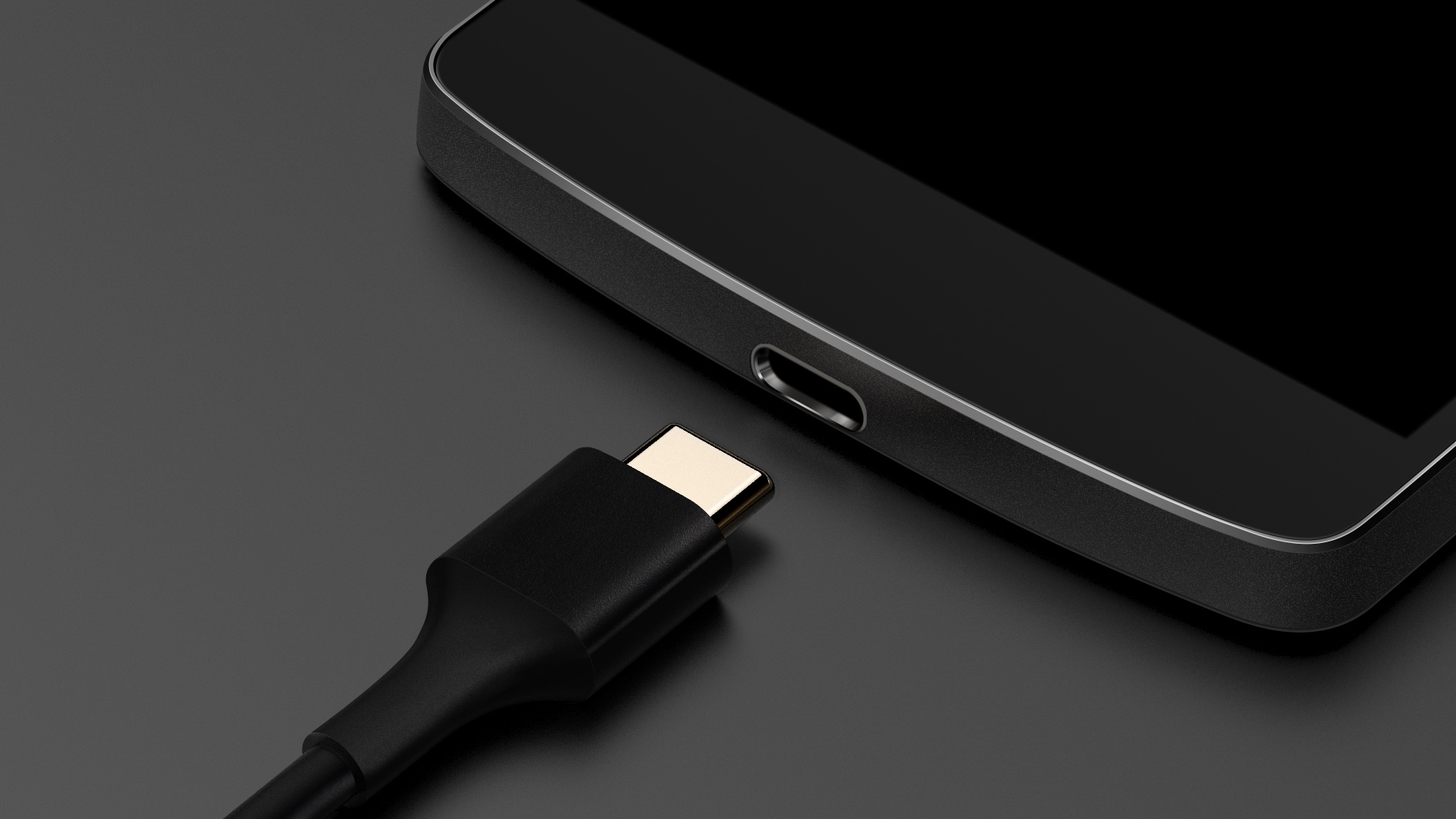
Amazon has added shoddy and non-standards-compliant USB Type-C cables and adapters to its list of restricted products. This means that third-party marketplace sellers can no longer sell USB Type-C products that aren't compliant with the relevant USB standards that they purport to support.

The crackdown is almost certainly in response to the glut of cheap USB Type-C cables that have flooded Amazon over the past year, and at least one example of a dodgy cable frying a Google engineer's Chromebook Pixel. In that case, the third-party seller stated that it was a standards-compliant USB 3.1 Type-C cable with SuperSpeed; as it turned out, the cable was completely missing the extra wires needed for SuperSpeed, and two of the other wires had been transposed. The miswired cable killed his laptop instantly.

Back in December, Amazon banned the sale of self-balancing scooters following a spate of reports of cheap hoverboards bursting into flames.

Read 2 remaining paragraphs | Comments

Apple in “advanced talks” to acquire Imagination Technologies for PowerVR GPU

Apple moved its mobile SoC CPU design in-house years ago. Is the GPU next?

Apple (AAPL) is in "advanced talks" to acquire British chip design company Imagination Technologies (IMG), according to a source with knowledge of the discussions. When Ars sought comment, Imagination Technologies refused to deny any such planned takeover.

Imagination Technologies is primarily known for its PowerVR line of GPUs, which Apple has used in its mobile A-series SoCs since the A4, which powered the iPhone 4 and 4th-gen iPod Touch.

Imagination has tried to diversify into other areas, including specialised ray tracing GPUs, MIPS CPUs, and DIY/IoT stuff, but nothing has really stuck. In February this year, the company announced that long-time CEO Hossein Yassaie would be stepping down and that it would begin the process of restructuring the business. Then last week, in mid-March, the company announced that, as part of the restructuring, it would be axing 350 jobs and focusing on PowerVR.

Read 4 remaining paragraphs | Comments
Nike’s self-lacing shoes will go on sale this year

They don’t look quite like McFly’s Nike Mags, and they won’t come cheap.

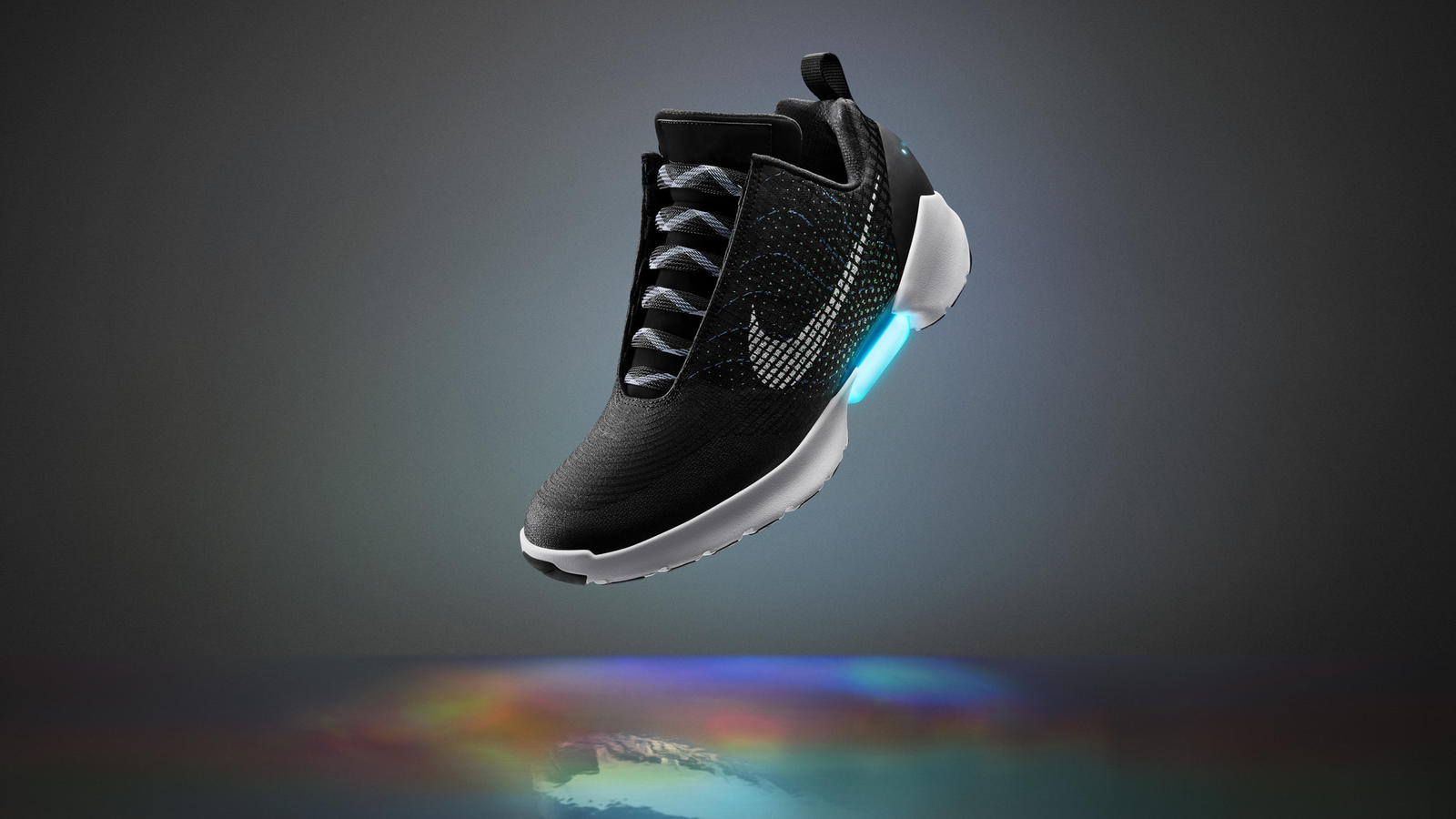
Nike has unveiled its first pair of commercialised self-lacing shoes, the Nike HyperAdapt 1.0. They will go on sale later this year, but pricing hasn't yet been announced (they won't be cheap).

"When you step in, your heel will hit a sensor and the system will automatically tighten,” explained Tiffany Beers, the project’s technical lead. Nike actually refers to the technology as "adaptive lacing" rather than "self lacing" because there are two buttons on the side of the shoe that allow you to tweak how loose or tight the laces are. In the theory, the laces will then be held in that position, preventing your laces from coming undone while running, slam dunking, or otherwise exerting yourself.

Nike originally announced in October 2015 that it would sell some Back to the Future-esque Nike Mags in spring 2016. Sadly, except for a part of the sole that emits a turquoise light, these HyperAdapt shoes don't look much like Marty McFly's Nike Mags.

Read 6 remaining paragraphs | Comments

Tesla Model S gets its own racing series: The Electric GT World Series

Every car on grid will be a modified Model S; in the future, that should change.

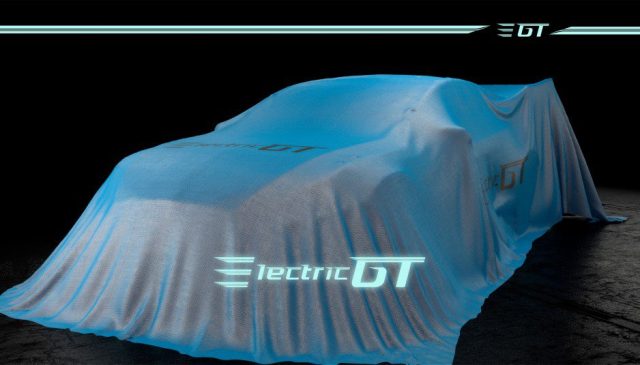
The world's first zero-emissions GT (road-car-based) racing championships will begin in 2017, and every single car on the grid will be a Tesla Model S P85+.

The new championships, called the Electric GT World Series, will have a seven-race season in 2017, with races in Europe, America, and Asia. It sounds like the organisers are still trying to nail down which tracks will be used, but the press release specifically mentions Barcelona, Donington (UK), Mugello (Italy), and Estoril (Portugal).

There will be 10 teams, and each team will field two modified Tesla Model S P85+ road cars. The power unit and its control software will remain unchanged from the standard road car (416hp, 601Nm), but changes will be made to the aerodynamics, suspension, and brakes to make it more suitable for racing. The car's weight will also be reduced (presumably by tearing out unneeded upholstery and the like), and the battery's cooling system will be improved so that the drivers can keep their foot on the throttle for longer.

Read 6 remaining paragraphs | Comments

UN aviation body orders real-time aircraft tracking in wake of MH370

ICAO orders new measures to track planes, find black boxes, 25-hour CVR recordings.

(credit: Wikipedia)

The UN's international civil aviation organisation (ICAO) has announced new provisions to help prevent future aircraft disappearances. The new provisions were unveiled yesterday, March 8, on the second anniversary of the disappearance of Malaysia Airlines flight 370 (MH370).

The amendments to the Chicago Convention, which lays down a bunch of aircraft, airspace, and airport rules for almost every member of the United Nations, are all within Annex 6 (the section that deals with the "operation of aircraft"). The three most significant tweaks are:

  • Aircraft must carry "autonomous distress tracking devices" that can "transmit location information at least once every minute in distress circumstances."
  • The cockpit voice recorder (CVR) must be able to store at least 25 hours of recording, "so that they cover all phases of flight for all types of operations."
  • Aircraft must be "equipped with a means to have flight recorder data recovered and made available in a timely manner."

Currently, due to a variety of different solutions used by airline operators and the limited reach of ground-based radar, aircraft can't be reliably tracked in real time—plus, when they do disappear, we can't reliably find the flight data recorder (FDR) or CVR. Civil airline operators will have five years (until 2021) to adopt these measures.

Read 4 remaining paragraphs | Comments