Google’s Project Ara phone no longer upgradable, new dev units ship this fall

Modular smartphone integrates “core smartphone functions” into the body.

The Project Ara Developer Edition.

MOUNTAIN VIEW, Calif.—After numerous delays, Google's modular smartphone concept, Project Ara, is still kicking inside Google. At its I/O conference, the company announced another developer kit for the device (called only the "Developer Edition") due out in 2016. The consumer version has received yet another delay, however, this time to 2017.

Pictures and a signup page for the Developer Edition are up on a new Ara website, and this update will replace the current "Spiral 2" dev kit. Project Ara started in 2013 and, like all ATAP projects, it was expected to take two years. The initiative was delayed past its 2015 deadline when it failed to deliver on a promised Puerto Rican pilot (where the phone was going to be sold out of food trucks). Now in 2016, Project Ara is delayed again to a supposed 2017 consumer launch, but there's going to be heavy redesigns to make that happen.

Most of the modular promises have been toned down—now all the "base components" of a smartphone are built into the Ara body, just like a normal smartphone. The Ara body contains a fixed CPU, GPU, antennas, sensors, battery, and display. The Ara page says this "frees up more room for hardware in each module," but it also removes Ara's promise of upgradability. The modules will now be for the camera and speakers, along with accessories to the base smartphone like a fingerprint reader or an extra display.

Read 1 remaining paragraphs | Comments
Android Auto gets Waze, a standalone app, hotword support, and Wi-Fi projection

Android Auto gets a slew of user-requested upgrades.

MOUNTAIN VIEW, CALIFORNIA—Google is showing off a major Android Auto upgrade at Google I/O, and many of the features address long-standing user requests.

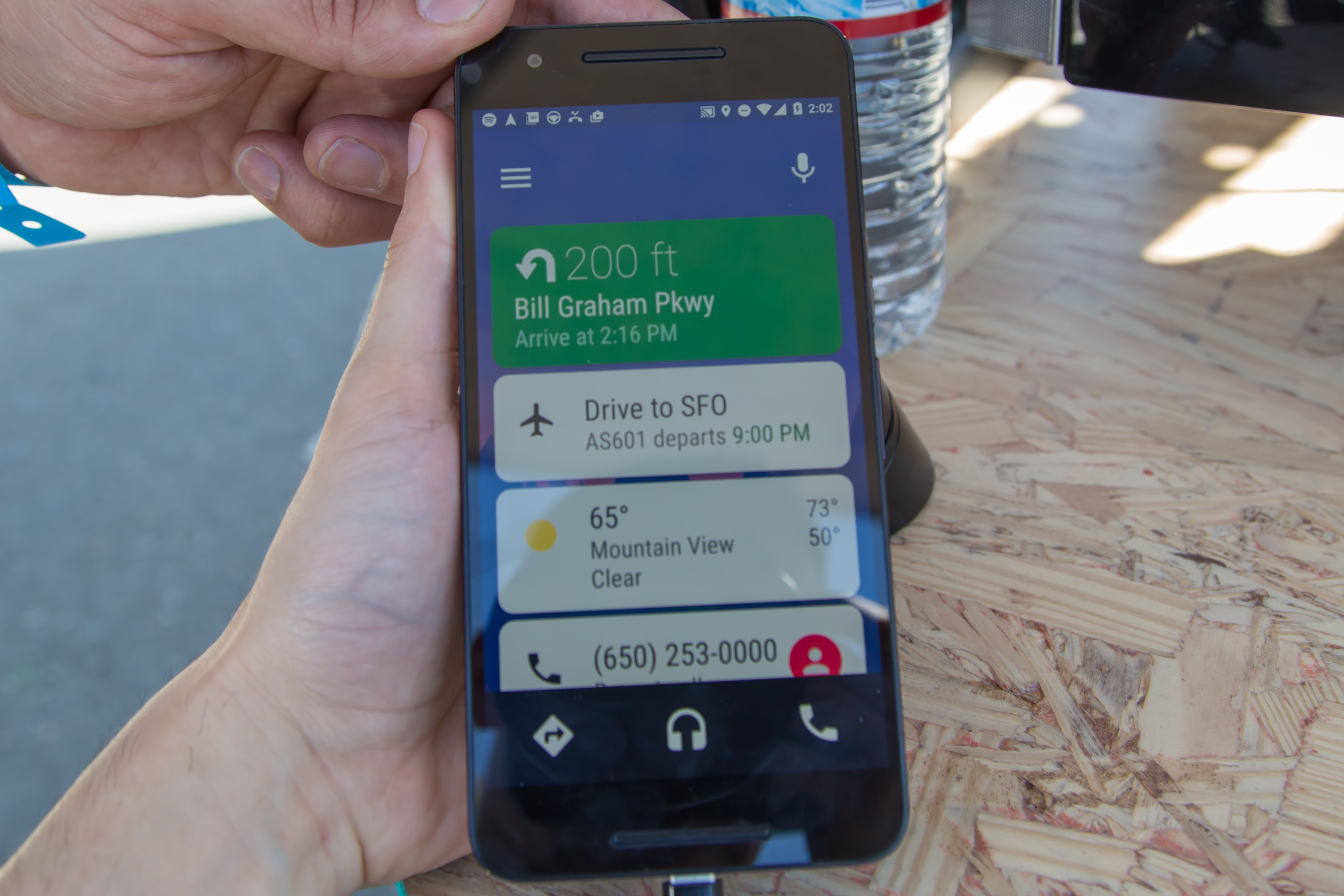
First up is the standalone Android Auto app. You can now get most of the Android Auto experience without needing a brand new car or going through the complicated process of ripping out your car stereo. The app can launch a revised version of the Android Auto interface right on your phone.

The phone version loads up big, chunky buttons with a simpler UI that should be easier to use while driving. On the Android Auto home screen, the navigation bar changes to an Android Auto-style app switcher with Maps, Music, and Phone icons. When you're not on the home screen, the navigation bar changes to show Back and Home icons. Notifications appear as huge, full-screen pop-ups with large, simple text strings.

Read 6 remaining paragraphs | Comments

The Play Store comes to Chrome OS, but not the way we were expecting

Under the hood, Google takes a brand new approach to Android apps on Chrome OS.

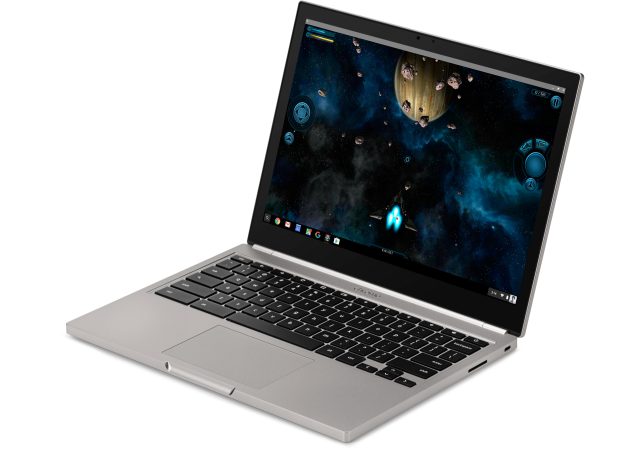
The Android game Galaxy On Fire running on the Chromebook Pixel. (credit: Google)

MOUNTAIN VIEW, Calif.—It's really happening. Android apps are coming to Chrome OS. And it's not just a small subset of apps; the entire Google Play Store is coming to Chrome OS. More than 1.5 million apps will come to a platform that before today was "just a browser," and Android and Chrome OS take yet another step closer together.

In advance of the show, we were able to sit down with members of the Chrome OS team and get a better idea of exactly what Chrome OS users are in for. The goal is an "It just works" solution, with zero effort from developers required to get their Android app up and running. Notifications and in-line replies should all work. Android apps live in native Chrome OS windows, making them look like part of the OS. Chrome OS has picked up some Android tricks too—sharing and intent systems should work fine, even from one type of app or website to another. Google is aiming for a unified, seamless user experience.

Starting in early June, developer channel builds of Chrome OS will see a pop-up message allowing them to opt-in to Google Play and Android app compatibility. This will roll out to touch-enabled Chromebooks first in the "M53 Dev" version, with support for non-touch devices coming soon after. We were told a full-scale rollout to the Chrome OS stable channel should happen sometime in September or October.

Read 16 remaining paragraphs | Comments

Google shows off its car infotainment operating system, built into Android N

Forget the Android Auto app—Android N is a whole operating system for cars.

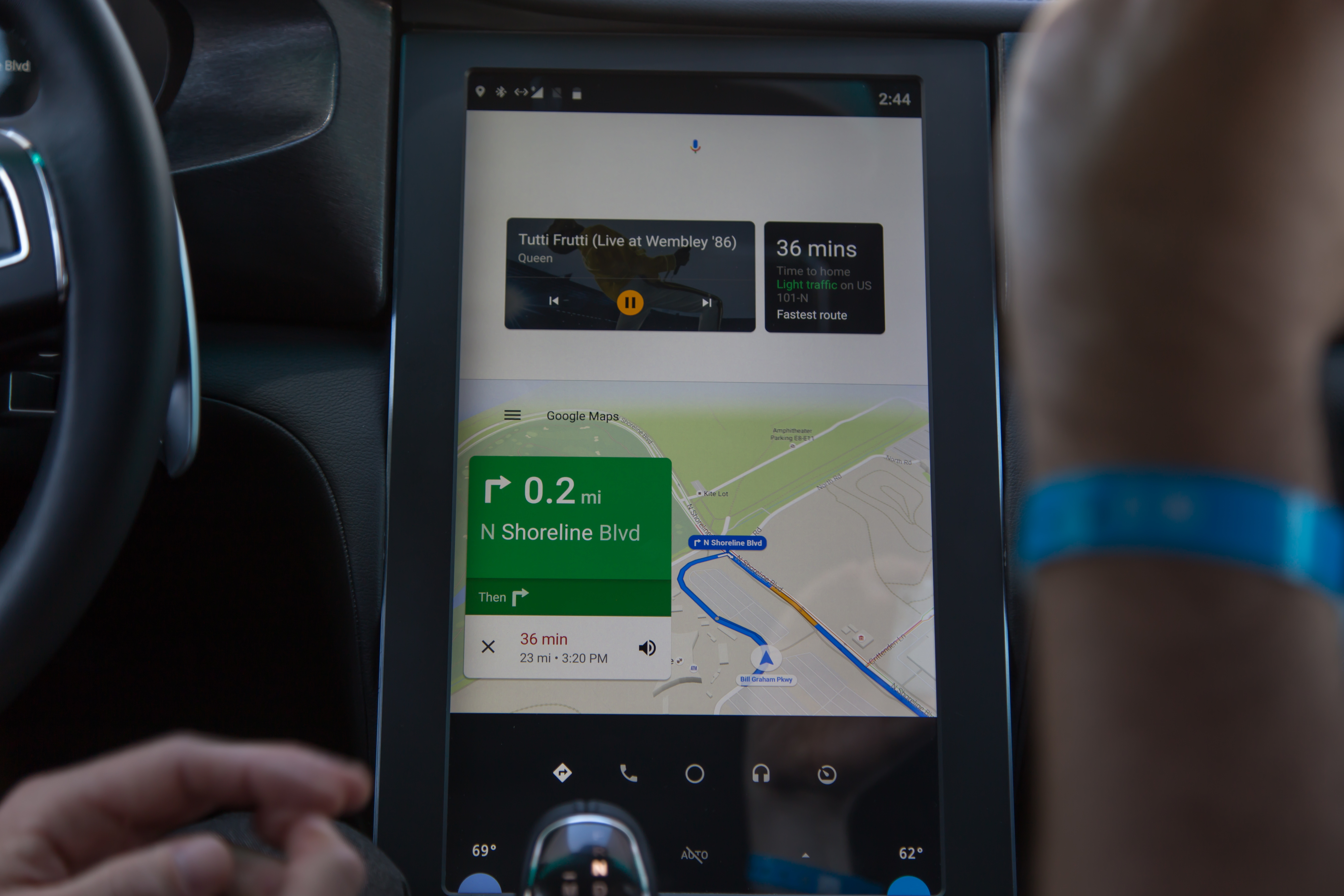
MOUNTAIN VIEW, California—Google has a full car infotainment operating system on display at I/O. We've long heard rumors of such a project and have spotted references to "Android Automotive" in Google's compatibility documents, but a car-focused version of Android is now quietly sitting in the back corner of Google I/O.

Previous forms of Google automotive computing came in the form of Android Auto, which was a casted interface that was beamed from a phone to a car screen. The car still ran some kind of host operating system, but that OS would move out of the way and let the Android phone use the built-in display like an external monitor. In contrast, this is a full operating system that runs directly on the car hardware. The car version of Android doesn't really have a launch date, or even a special name—"cars" are now just a supported form factor in Android N.

Google is demoing the OS in a Maserati Quattroporte, which it says it loaded up with Android without involvement from the car manufacturer. Inside, the Maserati runs a Snapdragon 820 with a 4K display in the center console. There is also a gauge cluster display that Android can control.

Read 8 remaining paragraphs | Comments

Android VR: OS gets a “Virtual Reality Mode” and “VR Ready” smartphones

Google finally moves beyond “cardboard” and launches a virtual reality platform.

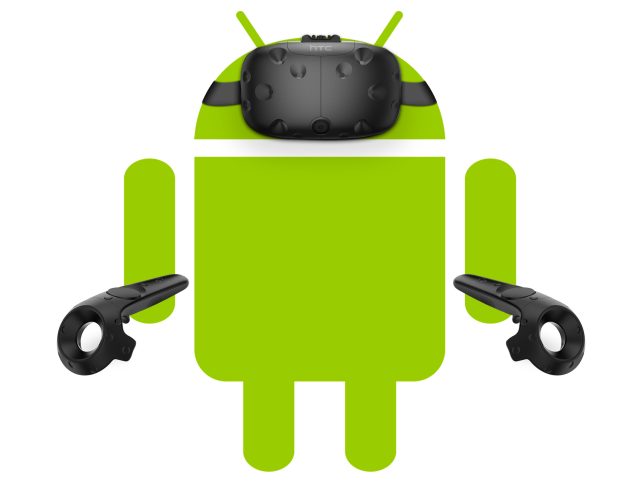
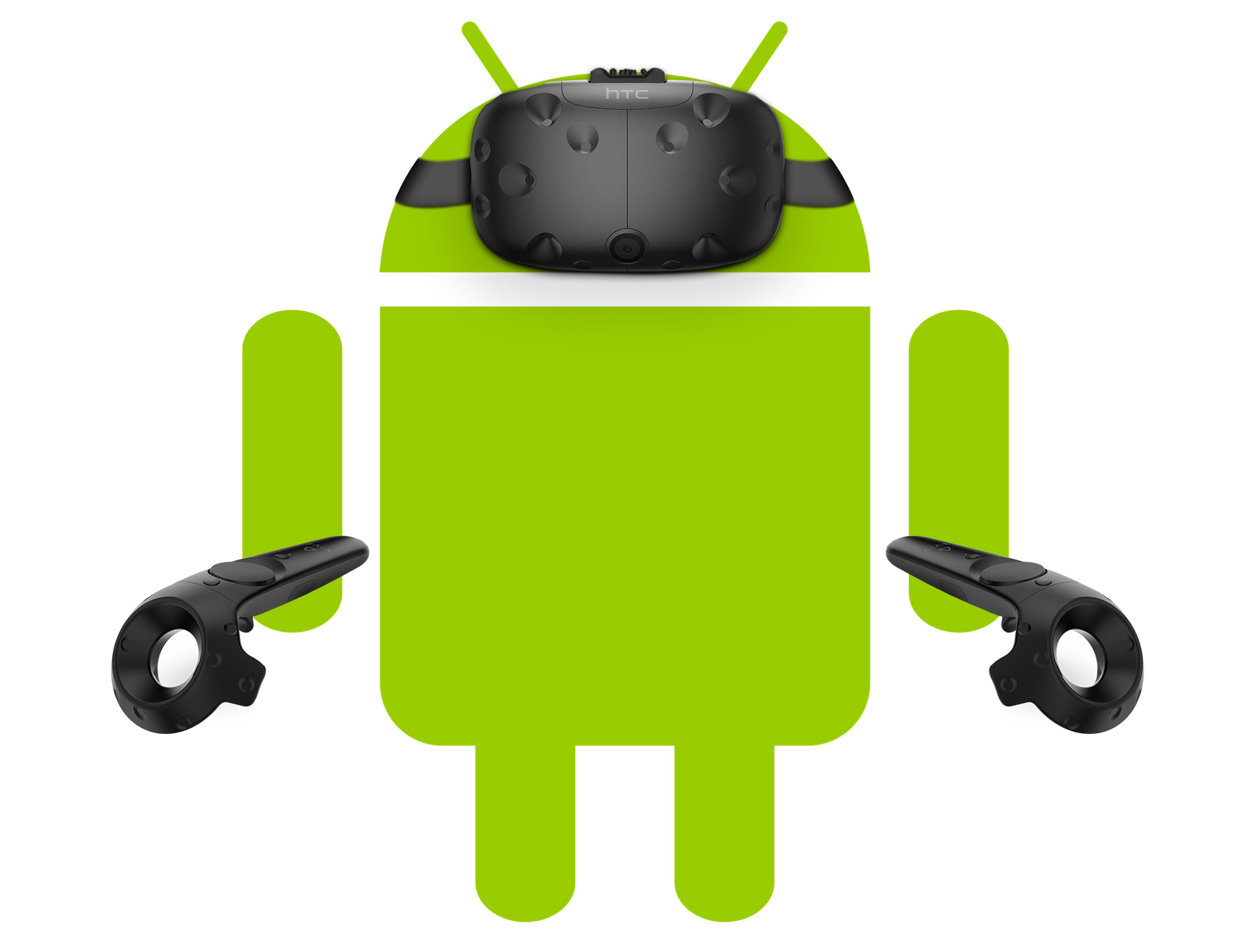
Enlarge / The Android mascot wearing the Vive. We don't know what the hardware will look like yet. (credit: Ron Amadeo)

MOUNTAIN VIEW, CALIFORNIA—As we've been obsessively tracking for about a year and a half now, Google is making a big push into virtual reality. This week at I/O 2016 the company is finally ready to talk about its VR ambitions, and the first news out of the gate is about the "Virtual Reality Mode" built into Android N Developer Preview 3. Google is also announcing a hardware certification program that allows an Android phone to earn the title "VR ready," and the first "VR ready" phone will be the Nexus 6P.

Google has done a lot of work whipping Android into shape for VR with Android N DP 3. Previously Google's only smartphone VR project was "Cardboard," a cardboard box with plastic lenses that could hold a smartphone. Cardboard gave a rough approximation of VR a very low cost, but it wasn't a serious platform for real VR immersion.

"Google currently has Cardboard but Cardboard worked in spite of Android, if you'd like," explained Android VP of Engineering Dave Burke to Ars. "It's clever and simple but we never did anything at the platform level to make it work. With N, we have." In Android N, those changes come down to improving motion-to-photon latency—how quickly you can get the display pixels to change in response to your head moving. When you move in VR, the sensors detect the movement, signal the GPU to draw new frames, and those frames get sent to the display to be drawn. If this doesn't happen fast enough, you'll feel sick.

Read 13 remaining paragraphs | Comments

Android N borrows Chrome OS code for “seamless“ update installation

We go on a deep dive into Android’s new Chrome OS-inspired partition system.

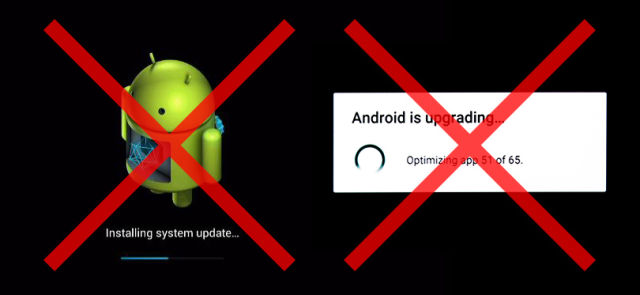
Today, Android N is killing the "Installing System Update" screen. Earlier, Android N killed the "optimizing apps" screen. Overall we should see much faster update installs.

MOUNTAIN VIEW, Calif.—With Google I/O comes a fresh version of the Android N Developer Preview—we're now up to Developer Preview 3. Google is calling this version of N its "first beta-quality candidate" and is encouraging a wider audience to try it out. Both OTA and image download should be available for the Nexus 6, 9, 5X, 6P, Nexus Player, Pixel C, and Android One (General Mobile 4G).

There's two headline features in this release. The first is a new VR platform, which we're covering in a separate article. The second will make for some great headlines: "Android copies Chrome OS update system!" But it's probably not what you're thinking. Yes, Chrome OS and Android are getting a little closer together, but Android is just borrowing the update installation method from Chrome OS, not the part where Google has full control over everything and delivers reliable updates.

Updates, once they are created by your OEM, approved by your carrier, and downloaded, will now be applied "seamlessly," just like on Chrome OS. You'll be on version 1.0, reboot, and you'll be quickly, transparently upgraded to version 2, without having to wait for any "Android is upgrading" dialog boxes.

Read 9 remaining paragraphs | Comments

Liveblog: Google I/O 2016

Ars is reporting live from San Francisco.

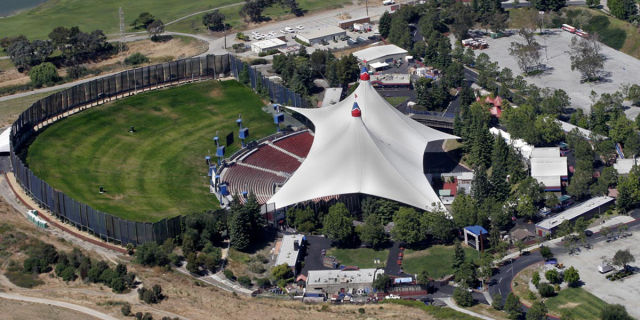
The Shoreline Amphitheatre, the new location of Google I/O 2016. It's right in Google's backyard. (credit: Shoreline Amphitheatre)

View Liveblog
2016-05-18T12:00:00-05:00

It's almost time for Google's biggest show of the year, Google I/O. I/O serves not just as a developer conference; it's also the time when Google opens up and shows the world what it has been working on. The show kicks off on Wednesday, May 18 with the keynote, and we'll be there to report on everything as it happens.

We've already gone over the possible projects we could see at Google I/O—in short, expect lots of augmented and virtual reality talk. It sounds like we'll get a good look at the first consumer Project Tango phone, built by Lenovo. The schedule says Google is going to talk about virtual reality, hopefully revealing a piece of hardware that isn't made out of cardboard. We should also hear plenty about the already-released Android N Developer Preview, and there might even be some other surprises along the way.

For the first time ever, the show is at the Shoreline Amphitheatre, a huge outdoor stadium with a capacity of 22,500 people. We'll be outside pretty much all day, so we'll pack sunscreen and pray for some good California weather. The party starts at 10am PDT (1pm EDT, 6pm BST, 7pm CEST) Wednesday. Follow along by clicking the "View liveblog" link above.

Read 1 remaining paragraphs | Comments
Google’s “Gboard” for iOS combines a keyboard with Google Search

We go hands-on with Google’s new search/keyboard mashup.

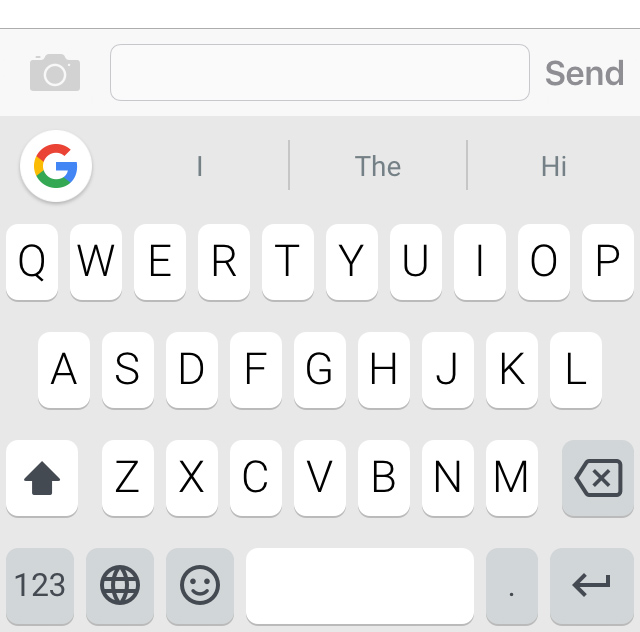
The rumors were true—Google just launched "Gboard," an iOS keyboard that combines Google Search with everyday typing. Right inside the keyboard area, users can search for local business results, images, and GIFs to weave into their conversation.

Gboard looks just like a normal keyboard except for the Google icon on the left side of the suggestion bar. Tap on it, and you'll get the familiar Google search bar with suggestions above it. Type in a query and the usual "return/send" button will turn blue and say "search." Results appear in a horizontally scrolling interface in the keyboard area that allows you to sift through search results without leaving your current app. There are tiny tabs on the bottom for normal search results, images, and GIFs.

Normal results can be pasted into the conversation as either usable text or as a picture of the Google results card. In the normal search results, you'll see more than just local businesses—most of the Google answer cards seem to be present. You can get a card that covers the weather, a celebrity, or a direct answer to a question. You can also find YouTube videos and drop them right into a conversation.

Read 3 remaining paragraphs | Comments
Civilization VI launches October 2016 with a cartoony new art style

New game brings classic Civ gameplay with brighter colors and simpler textures.

2K Games and Firaxis have just announced Civilization VI, the latest entry in the long-running 4X strategy franchise. There's only a small handful of info for now, but the most important piece is the release date: October 21, 2016, on PC.

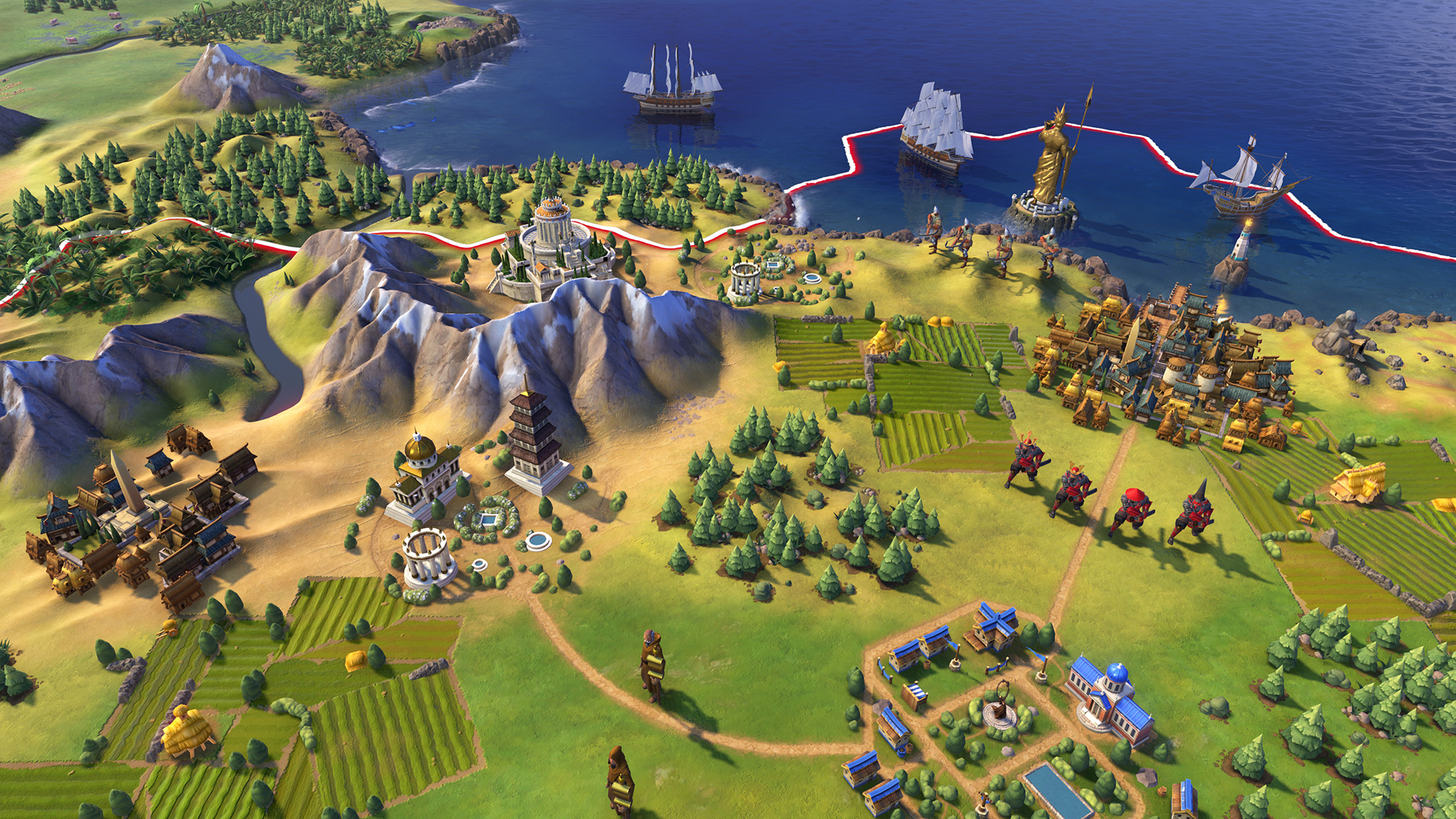
One of the biggest changes is the art style, which is definitely more "cartoony" than Civ V or Beyond Earth. The land, buildings, and units are drawn in bright, primary colors. The terrain textures almost look like a painting with brush strokes as opposed to the realistic style depicted in Civ V. Longtime Civ fans might be having traumatic flashbacks to the console-only Civilization Revolution, but Civ VI looks like it will still keep the deep and addictive gameplay the series is known for.

On the gameplay side of things, Civ VI seems to keep Civ V's hexagonal tile layout. Players will still be warring over territories displayed via big, bright division lines that cut through the landscape. There will be some gameplay changes, though. The "One unit per tile" rule has been tweaked, with the press release saying that "support units can now be embedded with other units, like anti-tank support with infantry or a warrior with settlers." Similar units can also be combined together to form "Corps" units.

Read 3 remaining paragraphs | Comments
“Amazon Video Direct” takes aim at the professional side of YouTube

Machinima, TYT Network, Jash, and other pro YouTubers sign up for distribution.

(credit: Amazon)

Amazon is launching a new video service called "Amazon Video Direct." The new service entices professional video creators to upload their videos to Amazon, where they will be displayed on the Amazon Video site alongside studio-created TV shows and movies. The videos will be viewable by "all Amazon customers" via an ad-supported model, shown to Amazon Prime Video subscribers (presumably without ads) or available as a one-time rental or purchase. The service is launching in the United States, United Kingdom, Germany, Austria, and Japan.

It's easy to see "Ad-supported video" and label Amazon Video Direct as "a YouTube competitor," but Amazon is clearly only aiming for the "professional" end of the YouTube spectrum. Uploading a video requires that users first create an account (a regular Amazon account won't work) with a "company" name. It's also mandatory to connect a bank account and submit tax information so Amazon can distribute all the money you'll be making. The paperwork required just to upload a video takes it out of the running for the viral cat videos that pop up on YouTube—this service would be more for the Machinimas or Finebros of the world.

The launch partners give a good idea of what the market Amazon is aiming for. The press release states "AVD launch partners include: Conde Nast Entertainment, HowStuffWorks, Samuel Goldwyn Films, The Guardian, Mashable, Mattel, StyleHaul, Kin Community, Jash, Business Insider, Machinima, TYT Network, Baby Einstein, CJ Entertainment America, Xive TV, Synergetic Distribution, Kino Nation, Journeyman Pictures, and Pro Guitar Lessons." (Disclosure: Conde Nast owns Ars Technica, so maybe our videos will show up there someday.)

Read 2 remaining paragraphs | Comments