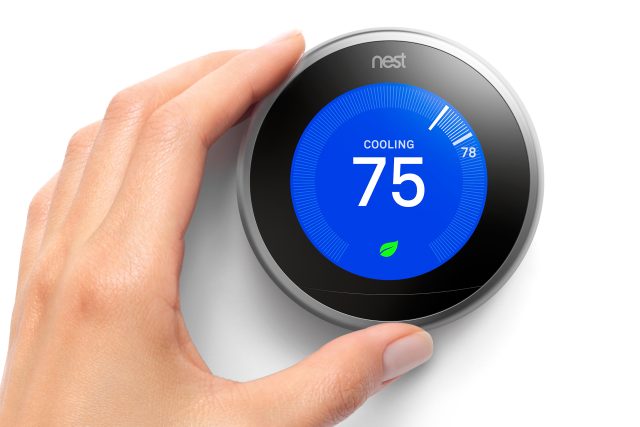
Report: Nest isn’t for sale

New CEO plans no change in direction, will focus on existing product roadmap.

(credit: Nest)

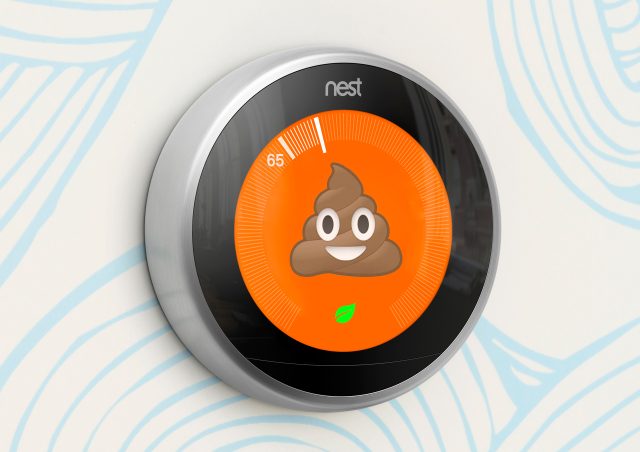
After what seemed like a big shakeup at Nest, with CEO Tony Fadell leaving the company to take on an "advisory role" at parent company Alphabet, a sale seemed like a possibility for the smart home company. An internal Nest memo obtained by The Verge says that's not the case, though. The new CEO, Marwan Fawaz, has addressed his employees to say that Alphabet won't be selling Nest.

In Fawaz's previous stint at Google, he ran Motorola's "Home" division (it made cable boxes) for a whopping six months before it was sold off to Arris. There's been lots of speculation (including here at Ars) that Fawaz would do the same job at Nest—move in, assess things, and put up a "For Sale" sign.

In the memo, Fawaz says "My only agenda for Nest is to scale and grow with innovative products. Nest is not for sale, and scaling and innovation aren’t mutually exclusive."

Read 4 remaining paragraphs | Comments

Google’s Project Fi cell service adds US Cellular to the mix

Multi-network MVNO now picks the best connection from T-Mo, Sprint, and US Cellular.

(credit: Google)

Project Fi, Google's MVNO cellular service, launched last year with the unique ability to switch between multiple networks—T-Mobile and Sprint. Today Google announced that it is adding a third network into the mix—US Cellular. US Cellular is the fifth-largest carrier in the US, and Google says the company's LTE service in "23 states, both urban and rural" will be merged into the Project Fi network.

Project Fi uses special SIM cards and radios to work as a "network of networks." Fi-compatible phones measure the available connections from participating cellular networks and switch to the fastest one on the fly. With the new addition, Fi phones will now pick the fastest network from T-Mobile, Sprint, and US Cellular. The downside is that you actually need a Fi-compatible phone, which right now is the Nexus 6, 5X, and 6P.

The service also provides a ton of Internet-centric features, full functionality over Wi-Fi, online voicemail, texting from other devices via Google Hangouts, call forwarding, and a sweet mobile app. Voice and text on Fi is unlimited, and data charges work on a flexible system where users are only charged month-to-month for what they use, at a rate of $10 per 1GB.

Read 1 remaining paragraphs | Comments

BlackBerry reportedly “really struggling” in Android market

AT&T exec calls out high returns, low sales for BlackBerry’s Android phone.

(credit: Ron Amadeo)

BlackBerry is reportedly having some issues in its transition to Android. A report from CNET quotes a "high-level executive" at AT&T as saying "The BlackBerry Priv is really struggling."

The carrier exec gave CNET a big list of reasons why the Priv was failing. Both companies expected to see demand for an Android phone with a physical keyboard, but that demand never materialized. BlackBerry apparently has a problem appealing to the general public, with the report saying that "most of the buyers were BlackBerry loyalists." Those die-hard BlackBerry users struggled to adapt to Android, which the executive says led to the higher returns.

Blackberry's Q4 results came out in April, and they show lagging performance, too. The company sold 600,000 handsets for the quarter, which was short of Wall Street's expected 850,000 units.

Read 2 remaining paragraphs | Comments

Nest’s time at Alphabet: A “virtually unlimited budget” with no results

Nest quadrupled its employees, launched no new products, and caused constant bad PR.

(credit: Ron Amadeo / Nest)

Nest CEO Tony Fadell wasn't officially "fired" from Nest, but it certainly feels like it. Nest and Alphabet announced Fadell would be "transitioning" to an advisory role at Alphabet, dropping both Nest and Fadell into a sea of negative press. In just the last few months, Nest has had to deal with reports of an "employee exodus," a string of public insults from Dropcam co-founder and departing Nest employee Greg Duffy, news that even Google supposedly didn't want to work with Nest on a joint project, and fallout from the company's decision to remotely disable Nest's deprecated Revolv devices. Alphabet and Nest both seem to know the announcement about Fadell's "transition" looks bad: the news dropped on a Friday afternoon, a popular time for companies to dump bad news they hope no one will notice.

It's hard to argue with the decision to "transition" Fadell away from Nest. When Google bought Nest in January 2014, the expectation was that a big infusion of Google's resources and money would supercharge Nest. Nest grew from 280 employees around the time of the Google acquisition to 1200 employees today. In Nest's first year as "a Google company," it used Google's resources to acquire webcam maker Dropcam for $555 million, and it paid an unknown amount for the smart home hub company Revolv. Duffy said Nest was given a "virtually unlimited budget" inside Alphabet. Nest eventually transitioned to an Alphabet company, just like Google.

In return for all this investment, Nest delivered very little. The Nest Learning Thermostat and Nest Protect smoke detector both existed before the Google acquisition, and both received minor upgrades under Google's (and later Alphabet's) wing. A year after buying Dropcam, Nest released the Nest Cam, which was basically a rebranded Dropcam. Two-and-a-half years under Google/Alphabet, a quadrupling of the employee headcount, and half-a-billion dollars in acquisitions yielded minor yearly updates and a rebranded device. That's all.

Read 19 remaining paragraphs | Comments

How to save your Android phone from bad skins and crappy OEM software

Crappy interface got you down? No problem! We can whip your phone into shape.

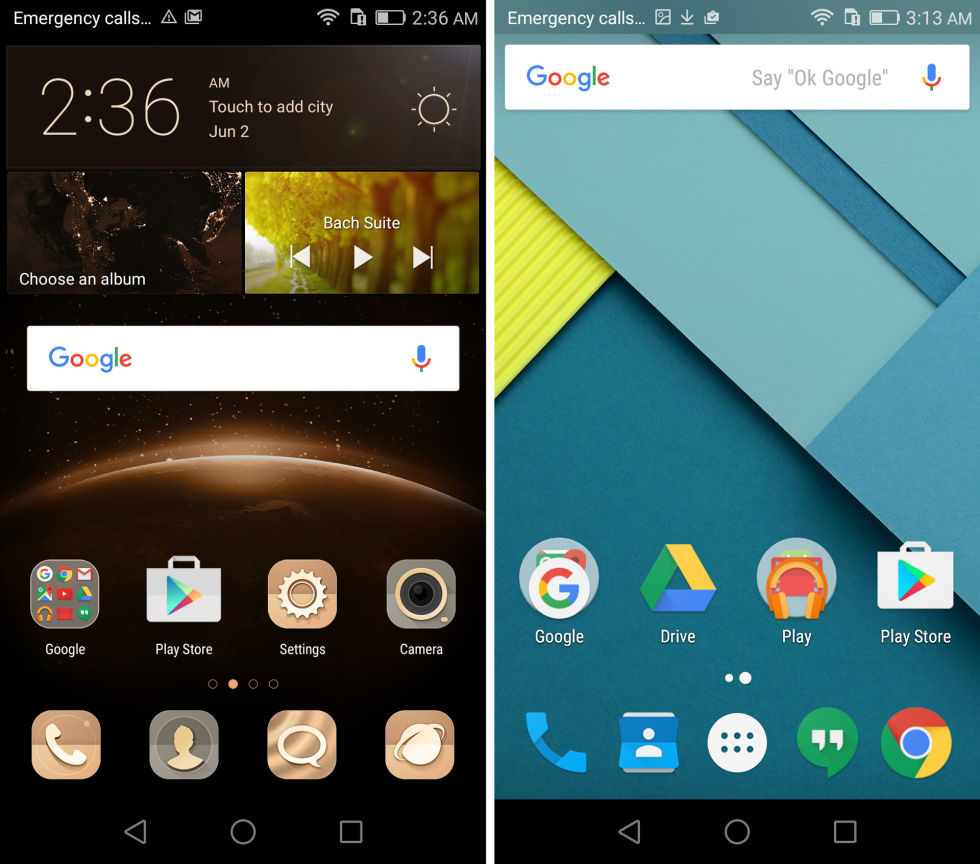
Android skins seem to get more annoying every year. The skins themselves aren't getting worse, necessarily, but more and more third-party apps have adopted Google's unified Material Design aesthetic. Google has been pushing Material Design since 2014—it publishes comprehensive design guidelines, provides frameworks so developers can easily get consistent designs up and running, and continually has conferences and publishes videos explaining and promoting this design language. Google recently announced there were over 1 million Material apps in the Play Store.

OEMs tend to completely ignore Material Design, which leaves a user of a skinned phone with a bunch of Material Google apps, an increasing number of Material third-party apps, and a weird OEM-designed slate of core apps that clash with everything else. If you care about what the software you use looks like, it sucks.

If you bought a skinned Android phone and are looking for a more unified look, there are some things you can do to fix it, however. Android remains very customizable, and with a combination of apps, settings, and lots of crapware removal, it's possible to get something that at least looks like the Google-designed Android software.

Read 25 remaining paragraphs | Comments

Xiaomi’s path to the West gets a little easier with Microsoft patent deal

Xiaomi’s phones get Microsoft apps and one less legal enemy.

The Xiaomi Mi 5.

Xiaomi and Microsoft have announced a deal that will move the companies a little closer together, while giving Xiaomi a slightly less treacherous path for expansion into Western markets. Xiaomi is buying some Microsoft patents, and the two companies have inked a cross-licensing deal for patents, and, like many vendors, Xiaomi is committing to bundle Microsoft apps on its Android phones. Wang Xiang, senior vice president at Xiaomi, describes the deal as "a very big collaboration agreement between the two companies."

The most surprising part of the announcement is that Xiaomi is buying (not licensing) 1,500 patents from Microsoft. Reuters notes that the patents include "voice communications, multimedia and cloud computing." Microsoft licenses its computing patents to most Android OEMs, and the deal often includes bundling Microsoft apps with future devices. Outright sales of some of the patents has not happened previously, however.

The app bundling part of the deal seems pretty standard for these agreements. The press release notes that, starting in September, "Xiaomi Android devices, including Mi 5, Mi Max, Mi 4s, Redmi Note 3 and Redmi 3, will come pre-installed with Microsoft Word, Excel, PowerPoint, Outlook, and Skype applications."

Read 4 remaining paragraphs | Comments
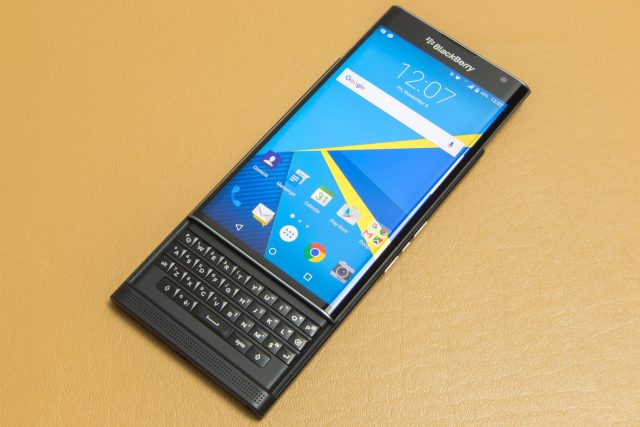
Op-ed: Hey Google, want to fix Android updates? Hit OEMs where it hurts

Don’t just shame Android partners into updating—kick ’em in the revenue.

(credit: Aurich Lawson)

This just in: Android updates are still really slow. The latest numbers put the seven-month-old Android 6.0 Marshmallow at just 7.5 percent of devices. That's an average of just over one percent per month, so if this keeps up, by 2020 the majority of devices will be compatible with Marshmallow or higher. Great.

Google's latest attempt at fixing Android's update problem reportedly involves "a list." On this list, OEMs are ranked by how fast they deliver updates, which the report says is used to "highlight proactive manufacturers and shame tardy vendors." Google has even thought about making this list public.

Does anyone think this is going to work? Can "shame" really be the driving force behind getting companies to update? We'd imagine "making the list public" would mean posting it to a website—is that really going to compete with the millions of dollars these companies spend on advertising?

Read 9 remaining paragraphs | Comments
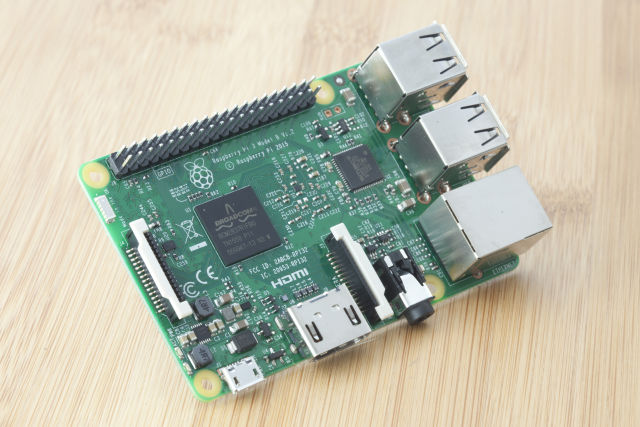
Google’s making a list: Android OEMs to be ranked, shamed by update speed

Can Android update woes be solved by publicly calling out slow OEMs?

(credit: Ron Amadeo)

A report from Bloomberg claims that Google is going to take yet another swing at making manufacturers care about Android updates. This time the plan is apparently to "shame" OEMs into updating their devices.

Google has "drawn up lists that rank top phone makers by how up-to-date their handsets are, based on security patches and operating system versions" according to the report. Google has apparently shared this list with OEMs already and has "discussed making it public" in the hopes that OEMs will do better at updating their devices as a result.

This isn't the first time Google has tried to entice OEMs to update their devices. At Google I/O 2011, Google triumphantly announced the "Android Update Alliance," an agreement where Google and OEMs would work to ensure devices got 18 months of updates. A year later everyone promptly forgot about it, and it hasn't been mentioned since.

Read 2 remaining paragraphs | Comments
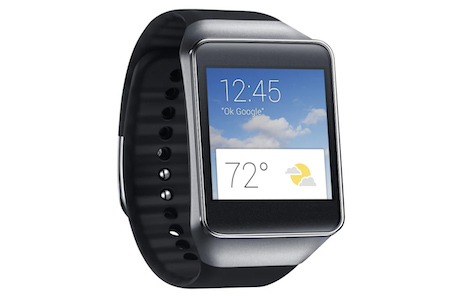
Google to bring official Android support to the Raspberry Pi 3

Google’s Android source repository gets a new device tree especially for the Pi 3.

The Raspberry Pi 3. (credit: Raspberry Pi Foundation)

The Raspberry Pi 3 is not hurting for operating system choices. The tiny ARM computer is supported by several Linux distributions and even has a version of Windows 10 IoT core available. Now, it looks like the Pi is about to get official support for one of the most popular operating systems out there: Android. In Google's Android Open Source Project (AOSP) repository, a new device tree recently popped up for the Raspberry Pi 3.

Raspberry Pis, if you're not aware, are cheap, credit card-sized, single board ARM computers with a focus on education and open source software. Hardware hackers and DIYers love the Pi due to its open nature, small size, and plethora of ports and software.

For just $35, you get a 1.2GHz 64-bit Broadcom BCM2837 ARMv8 CPU, 1GB of RAM, a VideoCore IV GPU, 802.11n Wi-Fi, and Bluetooth 4.1. From there, it's up to you to add all the missing components via external devices. For storage, toss in a MicroSD card. For a display, hook up to the full-size HDMI port. For sound, use the 3.5mm audio/composite video jack. For everything else, use the 4 USB ports, Ethernet jack, 40 GPIO pins, CSI camera port, or the DSI display port.

Read 2 remaining paragraphs | Comments

Samsung is done with Android Wear watches, says Tizen is the future

Samsung is reportedly shunning Google’s smartwatch OS in favor of its own.

As one of the world's biggest electronics manufacturers, Samsung is an important partner if you're trying to get traction for a nascent operating system. When it comes to smartwatches, Google will have to make do without the Korean juggernaut—Samsung says it's done with Android Wear.

After a chat with Samsung executives, a report from Fast Company says that "no more Samsung Android Wear devices are in development or being planned." Samsung apparently sees its in-house operating system, Tizen, as the wearable future. The report says that Samsung executives are going with Tizen because it's "far more battery-efficient than Android Wear" and "the standard OS on other Samsung products from TVs to refrigerators."

Samsung has given Android Wear a single try: the square "Galaxy Gear Live" smartwatch, which was one of the first Android Wear devices. For Tizen, the company has released the Gear S2, the Gear S, the Gear 2, and the Galaxy Gear. Android Wear recently launched a developer preview of version 2.0, which features an all-new design, new text input options, and more standalone functionality for watches with LTE modems.

Read 1 remaining paragraphs | Comments