Google’s gets land for its futuristic headquarters, thanks to LinkedIn deal

LinkedIn gets Google buildings across town, Google gets more contiguous land.

Google and LinkedIn have worked out a deal that will see the Mountain View neighbors swap a few million square feet of real estate. Silicon Valley Business Journal reported the deal, which should help alleviate both companies' space problems and give Google room to develop its futuristic "canopy" campus.

Google will receive all of LinkedIn's existing Mountain View territory, which consists of LinkedIn's 370,000 square feet headquarters and almost 8 acres of land LinkedIn had planned on turning into office space. LinkedIn will move a few miles across town into four office buildings currently owned by Google, which come out to about 750,000 square feet of office space. LinkedIn instantly gets to double its office space while avoiding a costly "five to six year" construction project, and Google gets the space and building rights it needs to build its crazy indoor/outdoor spiderweb canopy utopia.

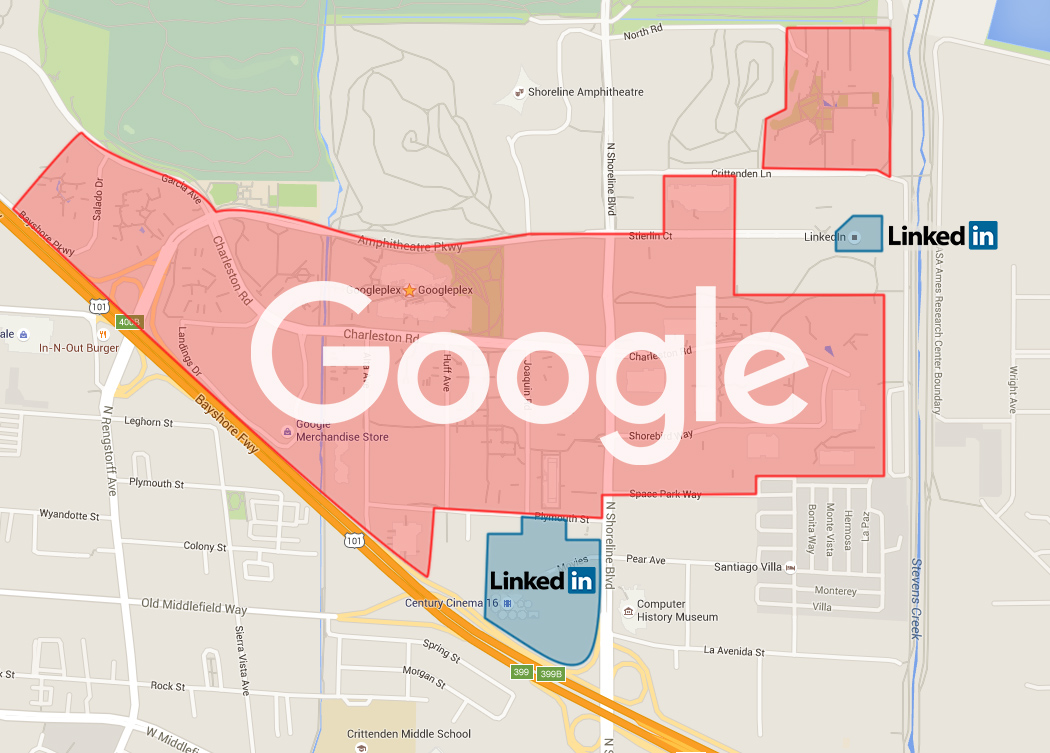
For a very rough idea of what is going on, the above gallery shows the current territory layout at Google and LinkedIn headquarters. (Google might actually own more area than this, we just based this off of "buildings that start with 'Google'" on Google Maps, which might be incomplete). In the first picture, LinkedIn's headquarters is the blue area in the top right, while the bottom blue area is a shopping center LinkedIn wanted to turn into office space. All of that space is now going to Google. In the second picture, you can see the Google office buildings LinkedIn is moving to, just a few miles away.

Read 2 remaining paragraphs | Comments

Google’s Project Fi gets international LTE, adds Three to carrier lineup

International speeds get uncapped. Fi will now pick the fastest available network.

Just a few months ago Google added US Cellular to the Project Fi lineup, allowing the service to pick the fastest network between T-Mobile, Sprint, and US Cellular when users are here in the US. Today, Google is making a similar announcement for international coverage, adding the cellular carrier Three to the lineup of international carriers.

Project Fi has always worked internationally in 135 countries, with data costing the same as it does in the US ($10 per GB). The downside was that it was very slow—you'd be stuck with 3G-ish speeds. Today Google also announced it's uncapping speeds internationally, offering a "10x-20x" speed boost.

The official post is pretty vague about what this means, but a Google spokesperson told TechCrunch, “Users will get the fastest connection available on a given network, speeds aren’t capped. In some cases, that would be LTE networks, in others it would be 3G networks (depending on roaming agreements). Different countries will have different speeds, which is why we set a range.”

Read 1 remaining paragraphs | Comments

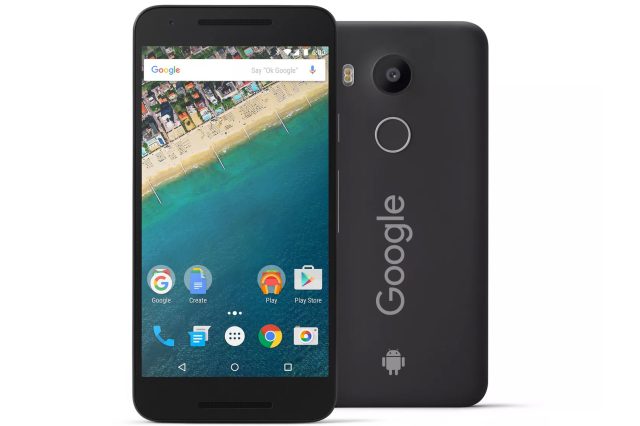
2016 Nexus render shows two-tone design, solo “Google” branding

Render shows new system buttons, an aluminum body, and some mysterious camera sensors.

This is a render created by Android Police based on its evidence. It represents both "Marlin" and "Sailfish," which supposedly will be the same design in two different sizes. (credit: Android Police)

It is officially Nexus rumor season. After last week's "Google Phone" rumor, this week we've got renders of what the 2016 Nexus phones will look like. Android Police—which has a great track record when it comes to Nexus leaks—has created a render of the device "based on evidence from [its] source."

Previous rumors said that HTC would be building two Nexus devices for Google, a 5-inch device codenamed "Sailfish" and a 5.5-inch device called "Marlin." The report says this render is meant to represent both devices—a bigger and smaller phone of the same design.

Usually Nexus devices are co-branded by Google and the OEM, but Android Police's render doesn't have an HTC logo. The site says "the 'G' logo on the back of the device may or may not be part of the final design," and "it remains unclear to us if the final design will include an HTC logo, but we are inclined to believe the answer is no." That "Google Phone" rumor from the Telegraph last week said Google was making a phone separate from the Nexus line that would be self-branded, but maybe there isn't a third phone and the Nexus line is just getting a rebrand.

Read 3 remaining paragraphs | Comments

Can we stop pretending HTC has a future in VR?

HTC gets all the branding credit, but Valve is the driving force behind the Vive.

The Vive with proper branding. (credit: HTC / Ron Amadeo)

HTC has recently announced it is spinning off its VR division into a wholly owned subsidiary called "HTC Vive Tech." The move seems to suggest that VR headsets are now a pillar of HTC and that the company will be a player in the VR market for years to come. While the HTC Vive is a compelling device, and the best VR headset out there, the driving force behind the Vive is co-creator Valve. I think HTC is taking way too much credit for the Vive's creation.

HTC is struggling mightily in the smartphone market and is still good for a 40-percent year-over-year decline in revenue every month. The Vive—a "joint effort" between HTC and Valve—is a rare bright spot in the company's lineup, but I think it's a temporary reprieve. Evidence shows HTC had little to do with the technology behind the Vive. HTC is more like Valve's tool, and while the company is in charge of manufacturing the Vive right now, HTC won't be left with any IP or competitive advantages once Valve is done with it.

"HTC Vive" makes about as much sense as "Foxconn iPhone." The name "Valve Vive" would probably be more appropriate. HTC seems more like the contract manufacturer for the device, building the Vive for Valve the same way Foxconn builds iPhones for Apple. The Vive is a product of Valve research using licensed Valve technology and Valve software in an effort to kickstart Valve's VR ecosystem. The only oddity is that, through a weird quirk of branding, HTC's name ended up on the side of the device.

Read 11 remaining paragraphs | Comments

Android N’s official name is Nougat

Google names the newest version of Android and shows off the new statue.

Google has finally taken the wraps off of the sugary snack-themed codename for Android N: "Nougat." The company also showed off its new statue design today, which features a green Android mascot standing atop three bars of the chewy confection.

Android Nougat (that's going to take some getting used to) will be the final version of the N developer preview, which has been with us since March. The final release will come sometime during the third quarter of this year. Nougat will bring a redesigned notification panel, support for side-by-side apps, VR enhancements, and a ton of other improvements.

Read on Ars Technica | Comments

Amazon offers smartphone discounts in exchange for baked-in ads

Amazon brings ad-supported hardware model from the Kindle to Android phones.

Many Android phones are loaded with ads and crapware, which can hurt the user experience. In exchange for using your phone as a billboard, though, the OEM gets cold, hard cash from advertisers. Amazon is now joining in on this action by loading unlocked Android phones with ads and offering them to users at a discount.

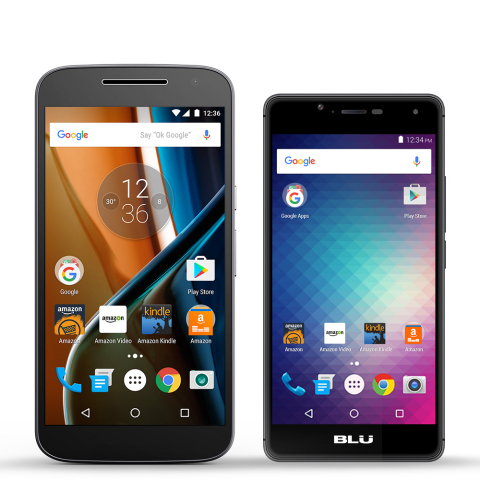
The program is called "Prime Exclusive Phones," and at launch it offers the unlocked Moto G4 for $149.99 with lock screen ads or the BLU R1 HD for $49.99 with ads, both $50 off. Amazon's announcement calls this "breakthrough pricing" that is enabled by "personalized offers and ads, including deals and product recommendations, displayed on the phone's lock screen. When a customer sees an offer, they can tap to learn more about it or simply unlock their phone to dismiss." Besides preloaded Amazon apps, there are full-screen lock screen ads and ads in the lock screen notification panel.

The good news is that the feature is optional. On the Amazon listing page, the phones are available with and without ads, listed as "Prime Exclusive - With Offers & Ads" and "Standard Version - Without Offers & Ads." This hardware offer mirrors a similar strategy Amazon took with its Kindle line, which was also available at a discount in exchange for an ad-based experience.

Read 2 remaining paragraphs | Comments

Evernote limits free tier to two devices, raises prices 40%

The popular note taking service puts the breaks on freeloaders.

Evernote has been one of the leading note-taking services for some time, with clients for the Web and every major OS. The company recently announced sweeping changes to its "freemium" pricing strategy, which puts a big limit on the "free" tier and raises prices across the board for new and existing users.

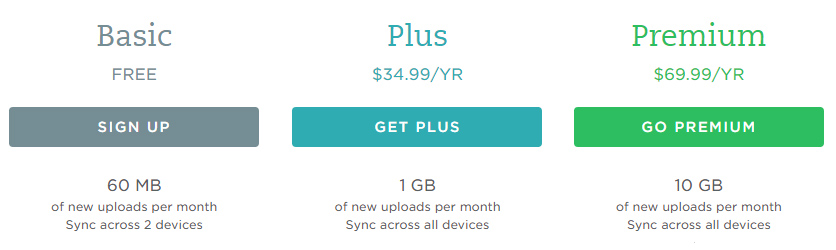
The free tier, "Evernote Basic," is now limited to two devices. If you want to access your notes on more than two devices, you'll need to fork over some cash. "Devices" means any device with an official client installed (Evernote apps are available on Windows, macOS, iOS, Android, Chrome OS, BlackBerry OS, and Windows Phone). Using Evernote on the Web does not count as an actual "device," nor do third-party apps that use the Evernote API. Managing device access now works a lot like some music services, where every installed client counts as "a device," and you can log in to a settings page and "revoke access" from each instance.

Both paid tiers are getting 40 percent price increases, too. "Evernote Plus," which is now needed by anyone with more than two devices, has seen the price jump from $24.99 per year to $34.99 per year (or $3.99 per month). Evernote Plus limits you to 1GB of uploads per month (the free tier is limited to 60MB). The "Premium" tier moved from $49.99 to $69.99. Premium raises uploaded data per month to 10GB and adds a ton of other features. New users will see the price increase right away, while existing users renewing a subscription will see the new pricing in August.

Read 1 remaining paragraphs | Comments

OnePlus 3 review: A great $400 phone you can actually buy

With the death of the invite system, OnePlus is finally worth your consideration.

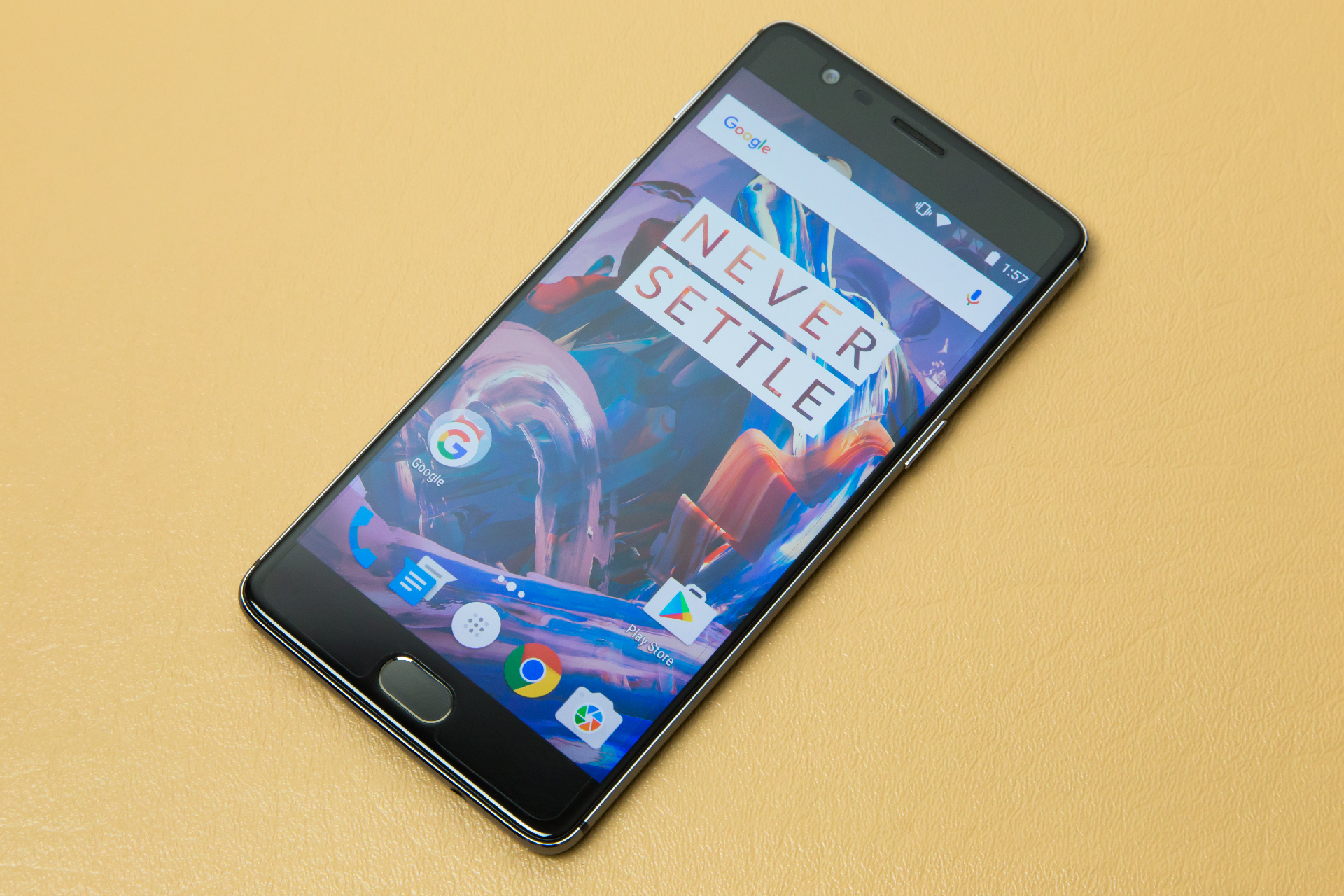
OnePlus is back with its fourth device, the OnePlus 3. The upstart Oppo subsidiary has slowly been maturing since entering the market in 2014, and the OnePlus 3 feels like the company's first phone that "normal" people can safely consider.

The biggest reason is that OnePlus has done away with its lame invite-to-purchase system, meaning potential customers no longer have to fight to hand over their money. Thanks to that change, it really feels like there are no catches now: OnePlus is offering a Snapdragon 820, a whopping 6GB of RAM, 64GB of storage, and an aluminum body for $399 (£309), and it's actually going to work with LTE networks outside of China.

Design

The OnePlus 3 is easily the best-made phone OnePlus has ever produced. The aluminum unibody is a big upgrade over the plastic-clad OnePlus One and 2, and it's more durable than the glass-backed OnePlus X. The back design looks like an exact copy of an HTC One M9, but it's hard to care too much about originality when the build quality is this good. Overall, the OnePlus 3 is as well made as a top-tier phone from HTC or Apple; it's just offered at a much lower price.

Read 24 remaining paragraphs | Comments

Google and Qualcomm team up to make Project Tango easy on your CPU

By offloading work to other chips, Augmented Reality only takes up 10% of the CPU.

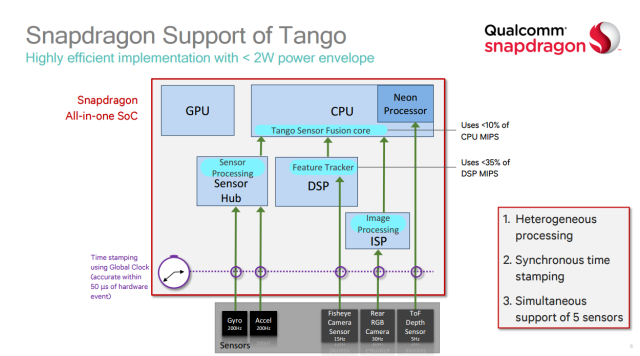
Tango's algorithms run on the DSP, ISP, and Sensor hub, and mostly leave the GPU and CPU alone. (credit: Qualcomm)

Google's Project Tango, an augmented reality project that packs a smartphone with 3D vision sensors, is finally on its way to consumers in the form of the Lenovo Phab 2 Pro. When the Phab 2 Pro was unveiled, the internals were a bit of a surprise. Previously, a lot was made of the Movidius computer vision chip inside the Project Tango prototype, but when the consumer version was announced, there was no extra vision processing chip to be found. All of Tango's augmented reality processing runs on the Qualcomm Snapdragon 652 SoC.

Qualcomm calls this the "Snapdragon Heterogeneous Processing Architecture," which in English means typically non-compute-heavy chips in an SoC—the DSP, sensor hub, and Image Signal Processor (ISP)—all get recruited for compute duties in a Tango phone. The DSP, or digital signal processor, usually handles the multimedia duties of a phone, but Qualcomm has been expanding the Snapdragon DSP (called the "Hexagon DSP") for general-purpose computing for some time. As a result, Qualcomm claims you'll be able to run all of Tango's algorithms and sensors with a "less than 10%" CPU overhead compared to a normal app. Qualcomm also touts all of this as being low-power, but that's something we'll have to investigate when we get ahold of final hardware.

Qualcomm revealed it has been "working closely" with the Google Tango team for the last year and a half to get Tango up and running on Snapdragon. With no extra co-processors to add, the difference between a Tango and non-Tango phone is just the extra depth sensor and motion tracking camera. Qualcomm hopes this reduction in components will lead to Tango technology becoming commonplace in smartphones. "We are committed to Tango and we believe in this technology." Seshu Madhavapeddy, VP, Product Management for Qualcomm, told Ars. "We see broad adoption of this technology as forthcoming and we would like to support that."

Read 2 remaining paragraphs | Comments
For Google, building its own smartphone doesn’t make a lot of sense

Rumors say Google wants to build hardware from scratch, but what will that accomplish?

A Google Phone? Maybe someday?

Over the weekendThe Telegraph reported that Google has plans to release a Google-branded phone that will "see Google take more control over design, manufacturing, and software." Google is apparently sick and tired of the iPhone "dominating" the high end of the smartphone market, and the company appears to believe a Google-built smartphone can solve this problem in a way that a Nexus device cannot.

The report further says that the Google Phone will appear "by the end of the year" and that it will exist in addition to the Nexus program, which the report says is "expected to continue this year with handsets made by Taiwanese company HTC."

I'm skeptical.

Read 13 remaining paragraphs | Comments