Xbox Project Scorpio: Will it really do 4K?

Even with 6 teraflops and 320GB/s memory bandwidth, rendering native 4K is a big ask.

While Project Scorpio was no secret before this year's E3, it's safe to say that few expected Microsoft to announce it alongside the slimmed down Xbox One S. Fewer still expected the company to one-up the recently confirmed PlayStation Neo. If the leaked Neo specs are to be believed—and several developers have confirmed the specs to multiple publications, including Ars Technica—Microsoft's Project Scorpio is set to be around 40 percent faster, a reversal of the performance difference between the current Xbox One and PlayStation 4.

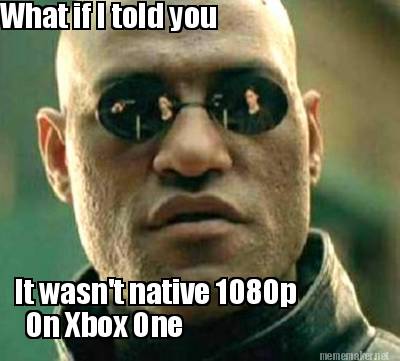
It's safe to say that Microsoft was growing tired of all those 1080p resolution memes.

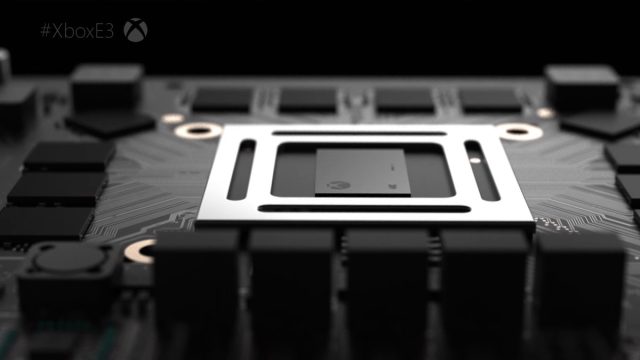
And so gamers have been promised a console for release in 2017 that packs a whopping 6 teraflops of processing power (compared to the current Xbox One's mere 1.31), along with a much improved 320GB/s of memory bandwidth. Even ignoring some of Microsoft's more questionable claims (uncompressed pixels anyone?), those are some impressive specs. Forget 1080p/60fps: Microsoft says that this system is more than enough hardware to push a VR headset (the company isn't saying which one yet, but I'd bet on Oculus), and run regular games at 4K resolution with support for High Dynamic Range (HDR).

Read 8 remaining paragraphs | Comments
After Microsoft’s Xbox Scorpio was Sony playing catch up at E3 2016?

Video: New hardware is great, but Sony still impressed us with stellar games lineup.

(video link)

Microsoft went into this year's E3 with something to prove. Since the launch of the Xbox One it has been dogged with criticism from players that the system isn't powerful enough, with its rival Sony enjoying smooth 1080p performance on the PlayStation 4 instead of the 900p they were often lumbered with. That's not to mention that, while beauty is in the eye of the beholder, the Xbox One is simply too big and bulky for many people, particularly with that large external power brick.

The new Xbox One S and the upcoming Project Scorpio address both of these issues. The former is a shrunken version of the existing Xbox One that ditches the power brick and includes a vertical stand, making it easier to slot into an entertainment centre. The latter promises to become the fastest console available—although we've yet to see what Sony has in store with the PlayStation Neo—thanks to a new GPU and CPU with 6 teraflops of processing power. With that kind of hardware under the hood, Scorpio should handle 4K games and VR with little trouble.

Read 2 remaining paragraphs | Comments

Bethesda unveils Quake Champions, Prey, and a VR version of Fallout 4

Plus, Skyrim Special Edition for PS4 and Xbox One featuring better graphics and mods.

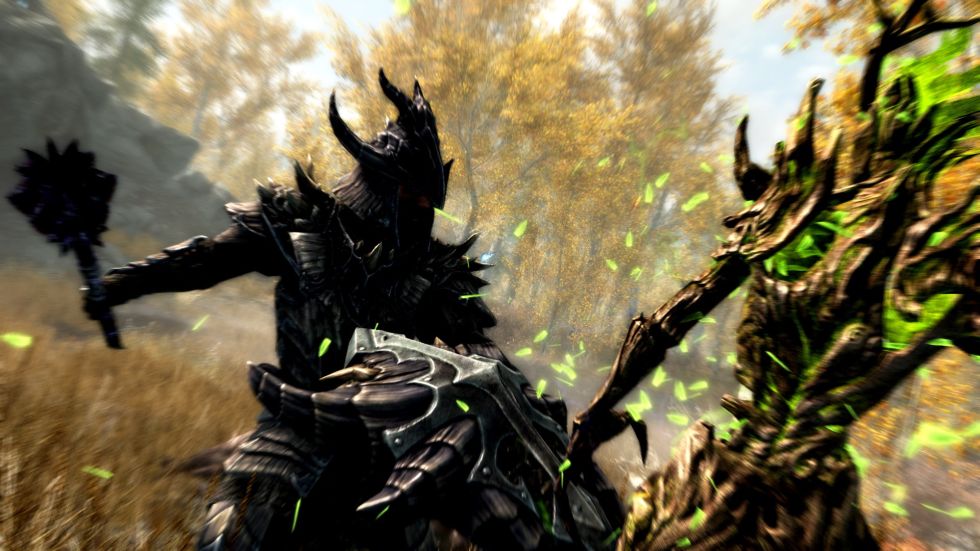
Check out that motion blur on the tree creature.

Bethesda might not have had anything on the scale of Fallout 4 to announce at its E3 press conference this year, but the publisher did have a few surprises up its sleeve. First up is Quake Champions, an arena-style shooter "designed for players of all skill levels."

Developed by iD Software, Quake Champions will feature "a diverse cast of warriors each with different attributes and unique abilities, allowing you to fight the way you want," according to iD studio director Tim Willits. Like other contemporary shooters (Overwatch for one), Quake Champions is being pitched as an e-sports game, with promises of tournament support from the publisher. That's a tough sell given the competition, but at the very least pro players won't have to worry about speed: Bethesda is targeting 120FPS rendering for the game.

Little else was revealed about Quake Champions, including platforms (PC is a given), but there was a CG teaser trailer, complete with a glimpse of character classes and explosive battles in a large arena. More info is promised for QuakeCon in August.

Read 7 remaining paragraphs | Comments

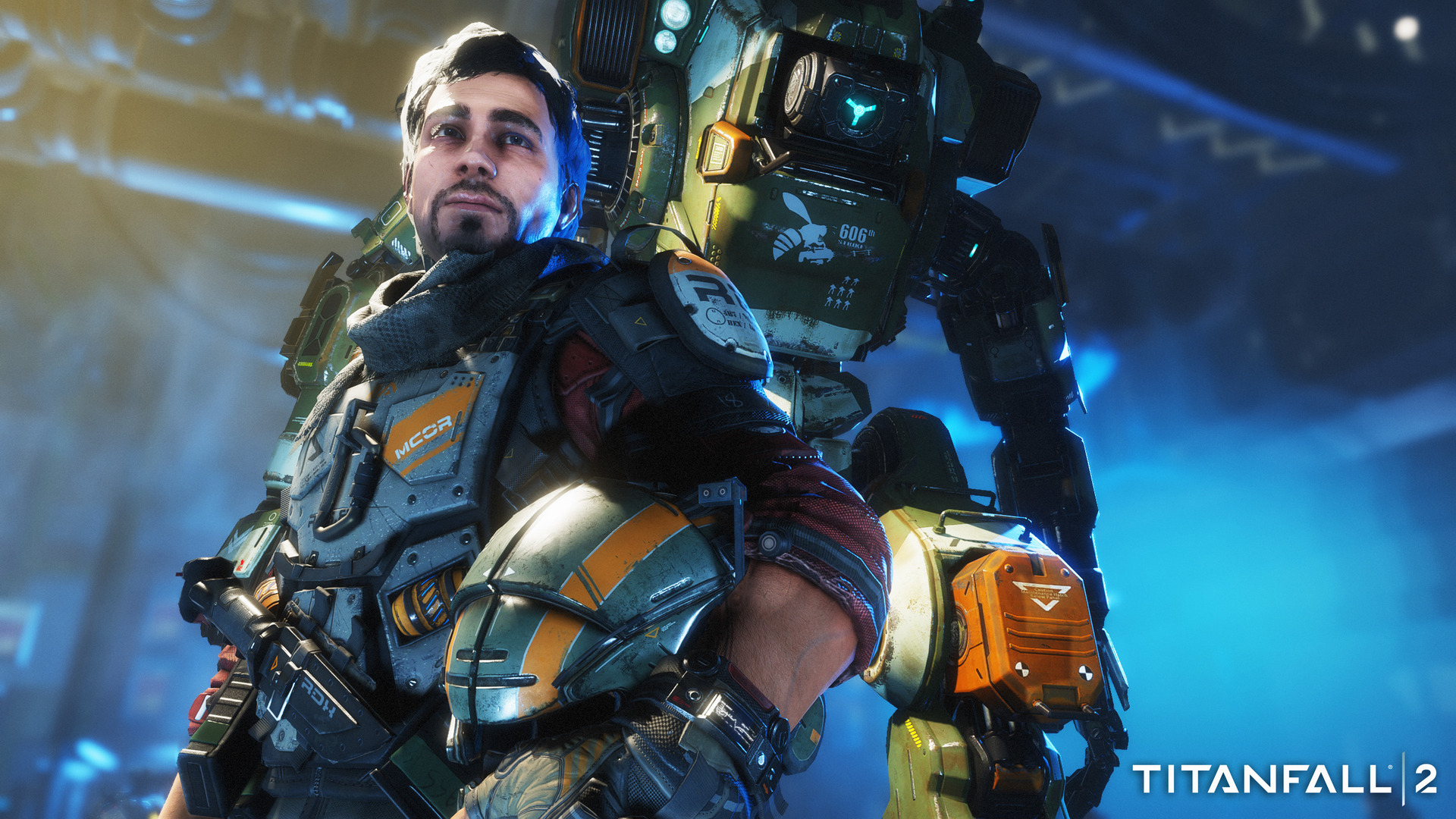
Titanfall 2: Proof that grappling hooks make everything better

Makes leaping round levels and taking down Titans a breeze—and heaps of fun too.

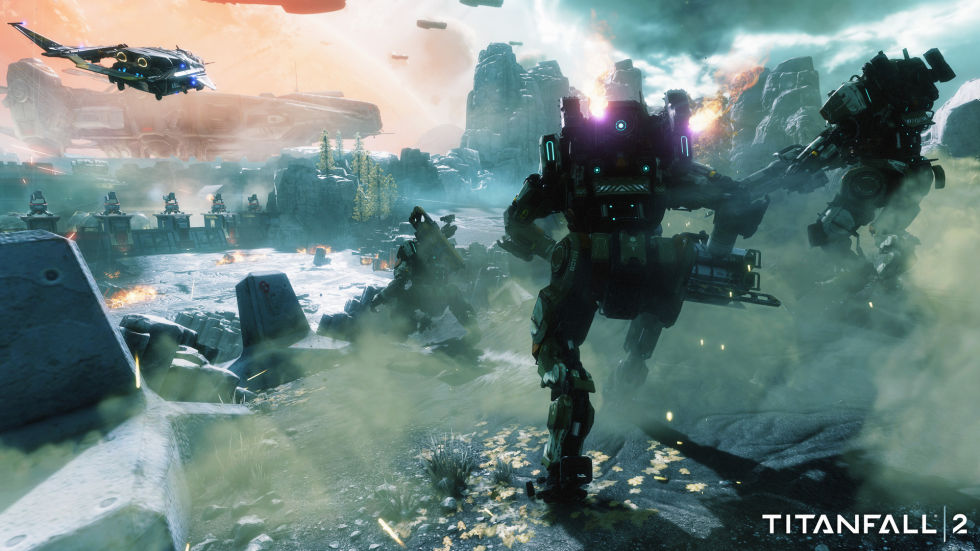
If video games have taught us anything it's that grappling hooks make everything better. Nintendo knew it with Zelda, Avalanche Studios knew it with Just Cause, and Respawn Entertainment knows it with Titanfall 2. With one simple addition, Titanfall—which pitches humans against mechs on the battlefield—goes from an already fast shooter to an even faster one for the sequel, a shooter where rodeo riding a ten foot Titan before chucking a grenade into the unsuspecting pilot's cockpit is a mere flick of a grappling hook away.

Titanfall was always stupid fun. Titanfall 2 is even stupider fun.

That's good for shooter players like me who, not for want of trying, aren't exactly skilled when it comes to hitting rapidly moving targets with a virtual gun and an analogue stick. Accessibility has always been Titanfall's forte, despite being a multiplayer-only game. And while Titanfall 2 does introduce a story mode for those that don't want to play online at all (it's not on show just yet, but you can see the trailer here), I'm relived to find the accessibility of the multiplayer hasn't suffered as a result. If anything, it's even better.

Read 8 remaining paragraphs | Comments
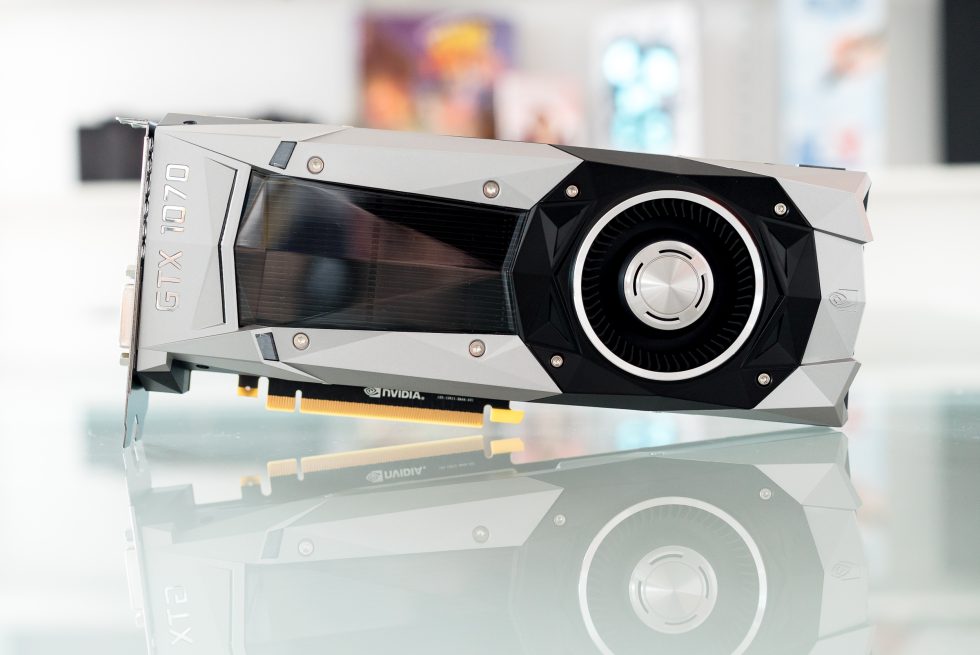
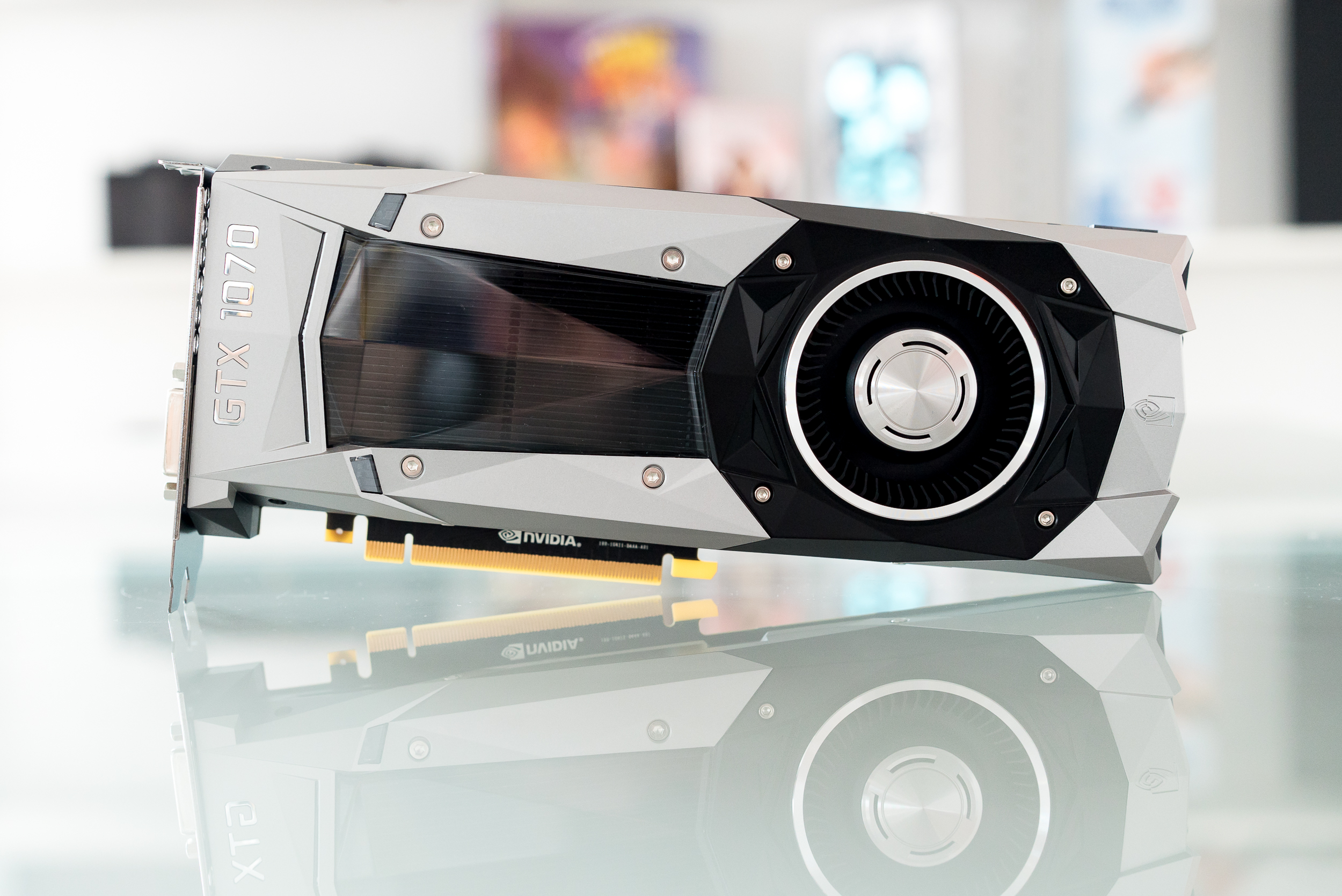
Nvidia GTX 1070 review: Faster than the Titan, at a more reasonable price

Not quite the bargain the 970 was, but the GTX 1070 remains the card to beat.

Enlarge (credit: Mark Walton)

Specs at a glance: Nvidia GeForce GTX 1070
CUDA CORES 1920
TEXTURE UNITS 120
ROPS 64
CORE CLOCK 1506MHz
BOOST CLOCK 1683MHz
MEMORY BUS WIDTH 256-bit
MEMORY BANDWIDTH 256GB/s
MEMORY SIZE 8GB GDDR5
Outputs 3x DisplayPort 1.4, 1x HDMI 2.0b with support for 4K60 10/12b HEVC Decode, 1x dual-link DVI
Release date Founders Edition: June 10
PRICE Founders Edition (as reviewed): £399, €499, $450; Partner cards priced at £329, €419, $379

In January, Nvidia's GTX 970 became the most popular graphics card on Steam—a remarkable feat considering the next most popular chip at the time, HD Graphics 4000, isn't really designed for gaming at all, but is instead integrated into Intel CPUs. Today, the GTX 970 still commands a hefty five percent share of the Steam audience. Its successor, the GTX 1070—the second graphics card based on Nvidia's latest Pascal architecture following the powerful but pricey GTX 1080—has some big shoes to fill.

And it does fill them... for the most part. As Nvidia promised, the GTX 1070 is indeed faster than both the GTX 980 Ti and the Titan X, and by some margin: as much as 12 percent in some tests. Just a couple of months ago these cards cost upwards of £500/$650—the GTX 1070, at the high end, costs just £399/$449.

In its Founders Edition form (Nvidia's new nomenclature for reference cards), the GTX 1070 is cool and quiet too, the smaller, more efficient TSMC 16nm FinFET manufacturing process letting Nvidia ramp up performance to Titan-beating levels, while keeping the TDP down to a reasonable 150W.

Read 23 remaining paragraphs | Comments

Report: Samsung’s bendable, unfurlable phones and displays due in 2017

Foldable phone and a 5-inch display that “unfurls” to 8 inches reportedly coming.

(credit: Neilson Barnard / Getty Images)

Samsung may release two smartphones with bendable OLED screens in 2017, according to a new report. "People familiar with the matter" claim that one model is a flip phone that folds in half, not unlike Samsung's China-only SM-W2016, while another will feature a 5-inch display that "unfurls" into a tablet-sized 8-inch panel. The devices could appear as soon as February 2017, when Mobile World Congress takes place in Barcelona.

While the report may seem a little far fetched, this is not the first time that Samsung has been linked to flexible displays. Reports on "Project Valley"—the apparent codename for the devices—date back as far as early 2015, although those reports initially claimed Samsung was aiming for a 2016 release. Instead, Samsung released the well-received Galaxy S7 and Galaxy S7 Edge, with the latter featuring a curved AMOLED display.

Samsung did, however, showcase its foldable display technology at SID Display Week 2016, with Slashgear capturing the display in action. According to the site, when fully opened the 5.7-inch 1080p display is just 0.3mm thin, and can be rolled into a tube with a 10mm radius. The display shown didn't feature a touch layer, which would likely add to the overall thickness, as well as reduce its flexibility.

Read 5 remaining paragraphs | Comments
Sorry games industry, but VR won’t wait—Hollywood is coming for it

The likes of Take-Two might not believe in VR, but huge VFX studios like Framestore do.

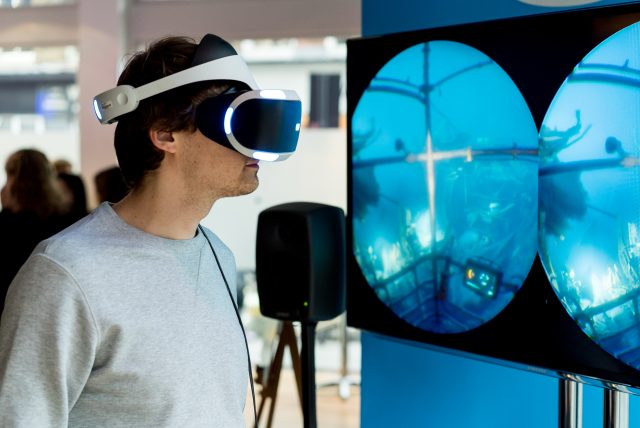
(credit: Mark Walton)

Inside the surprisingly humble cafeteria on the ground floor of London's Framestore, one of the world's biggest visual effects studios, friends, colleagues, and journalists have gathered to hear a talk from its co-founder and chief creative director, Mike McGee. But rather than wax lyrical about Framestore's latest Hollywood accomplishments—from which it can count the Oscar-winning VFX in Gravity and the vast CGI sets of The Martian—or its commercial endeavours such as the famous Audrey Hepburn Galaxy chocolate TV advert, McGee is talking about virtual reality. Or rather, how Framestore is already on its way to becoming one of the biggest players in the industry.

Framestore's bullish attitude to VR—it has already developed experiences for the Oculus, HTC Vive, and Samsung Gear VR, and is working on projects for PlayStation VR and Microsoft HoloLens—stands in stark contrast to that of the games industry, which has thus far remained largely nonchalant about the platform outside of smaller developers. Just yesterday, Take-Two (the publisher of Grand Theft Auto amongst other games) CEO Strauss Zelnick said that the company simply wasn't "incentivised to be at the frontline of [VR] development," because of the high asking price and the need for a dedicated play space. Both EA and Activision are taking a "wait and see" attitude to the platform.

It's an odd turn of events given that the original VR posterboy, the Oculus Rift, was pitched (and still is pitched) as a device primarily designed for playing video games. Meanwhile, the HTC Vive is powered by Steam, the biggest PC gaming platform in the world. As Ars' own Kyle Orland pointed out, the lack of investment from games companies runs the risk of turning one of the most exciting and promising technologies of the last decade into little more than a niche fad. After all, without that killer app, what reason is there for people to pay for a headset? Conversely, without headsets—just roughly 30,000 Vive units have been sold to consumers according to Steam estimates—why should game companies invest?

Read 10 remaining paragraphs | Comments
Vivendi’s Gameloft takeover may spark resignation of Ubisoft co-founder

Report claims Michel Guillemot is stepping down to prevent Ubisoft suffering a similar fate.

(credit: M. Phillips/Getty Images)

Following Vivendi's shareholder-backed hostile takeover bid for mobile gaming developer Gameloft, Ubisoft co-founder and Gameloft CEO Michel Guillemot may be about to resign. "A person familiar with the matter" has confirmed Guillemot's pending resignation to Bloomberg, saying that Guillemot will join his brother (and Ubisoft CEO) Yves Guillemot in protecting Ubisoft from a similar Vivendi takeover.

Vivendi has been slowly buying up shares in Ubisoft as far back as October 2015, when it purchased a 6.6 percent share of the company (roughly 7.36 million shares at $161 million (£111 million)). It later upped its stake to 10.39 percent. Ubisoft–which remains a family run business—called the moves "unsolicited and unwelcome" at the time, but Vivendi continued undeterred, purchasing 30 percent of sister company Gameloft.

Vivendi finally convinced shareholders to part with their remaining stock by offering 50 percent over market value. The French media giant is now the majority shareholder at Gameloft, controlling around 56 percent of the vote.

Read 6 remaining paragraphs | Comments
PSA: Get DRM-free versions of Steam games you already own with GOG Connect

Service launches with over 20 games, and more following later this year.

If you're a fan of DRM-free gaming service GOG, but have a large library of games locked away on Steam, you're in luck. GOG has launched GOG Connect, a program that allows users to add DRM-free versions of some previously purchased Steam games to their GOG libraries at no extra cost.

To transfer games, you have to install GOG Connect, connect your Steam account, and let the app do the rest. You'll even be given the choice of using standalone installer for your games, or downloading them via the GOG Galaxy Client.

If the service sounds too good to be true, there is one slight catch: not all games will work. Currently, just over 20 games are part of GOG Connect—including The Witness, FTL: Faster Than Light, and The Witcher: Enhanced Edition. The company promises more games will be added to the service at a later date.

Read 3 remaining paragraphs | Comments

Atari is making IoT devices, destroying childhoods

Partners with Sigfox to make connected home, pet, lifestyle, and safety products.

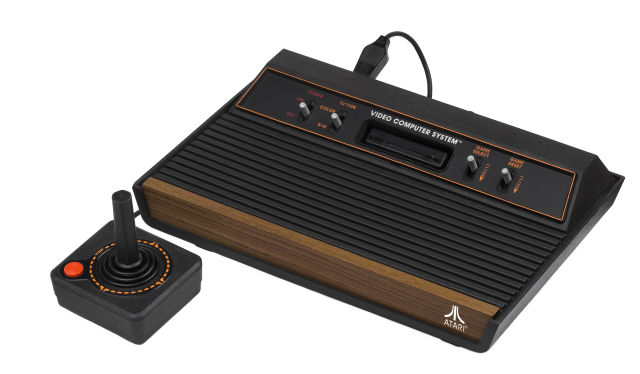
Remember when the word Atari used to mean something? When it meant a wasted youth spent flipping quarters in front of a haggard Pac Man arcade cabinet while mouthing "don't you want me baby?" to the girls gathered by the change stand? Or jostling joysticks in front of a ropy CRT TV and a battered copy of Space Invaders while your parents, disgruntled with your failing schoolwork, mutter something about square eyes before retreating to the kitchen for a well deserved glass of pinot?

Actually, come to think about it, I'm neither American enough nor old enough to actually remember any of that. But dammit, I remember enough to know that Atari, the once great voice of video games, shouldn't be making IoT devices and smart home products with French wireless networking company Sigfox. It's just not cricket.

According to Sigfox, the company will licence the Atari branding and slap it in on a range of connected home, pet, lifestyle, and safety products, all of which will connect directly to Sigfox's wireless network, rather than to the Internet directly. Sigfox's network, which currently only works in Europe with a US launch planned, is typically used for relaying small chunks of information infrequently, such as data from an electricity meter. This, the company says, means that its IoT devices will have much better battery life and won't require any complex pairing or setup.

Read 3 remaining paragraphs | Comments