1500-hp electric cars racing up the side of a mountain: We’re going to Pikes Peak

The legendary “Monster” Tajima wants to win this year, and we’re embedding in his team.

"Monster" Tajima and his 2016 Tajima Rimac E-Runner Concept_One, a 1500-hp purpose-built machine for Pikes Peak.

In May, we were on hand to witness the 100th running of the country's oldest car race, the Indianapolis 500. And later this June, we'll be present for the 2016 running of the second-oldest, the Pikes Peak International Hill Climb. The race, which was first held in 1916, is a 12.4-mile (20km) dash up the side of Pikes Peak in Colorado, with cars racing the clock to set the best time of the day. In recent years, the Pikes Peak Hill Climb has featured more and more electric cars and motorbikes, which don't suffer the significant drop in power at altitude that affects their internal combustion relatives.

While we're there, TEAM APEV with MONSTER SPORT and Giti Tires have invited me to embed with them to see how one of the legends of the mountain, Nobihiru "Monster" Tajima, gets on with his 2016 Tajima Rimac E-Runner Concept One. This is a 1.1MW (1,500hp) electric vehicle with all-wheel torque vectoring and a lot of aerodynamic downforce. Last year's race went to Monster Tajima's rival Rhys Millen, who set a new EV record for the hillclimb, getting to the top in just over nine minutes.

Those speeds are possible these days because the road up the side of Pikes Peak was completely paved in 2011. The road was initially gravel, though for many years it was paved until the halfway point.

Read 1 remaining paragraphs | Comments

Student teams compete in EcoCAR 3 to make the best hybrid Camaro

For the third year running, The Ohio State University comes out on top.

Imagine if Chevrolet handed you the keys to a new Camaro and told you to turn the sports car into something more environmentally friendly while still keeping the fun-to-drive aspect. Well, that's exactly what happened for the student teams that are participating in the EcoCAR 3 competition. It's the third in a series of competitions organized by the US Department of Energy and General Motors meant to provide experience and training to young engineers and other students at the 16 universities which take part.

EcoCAR 3 is now in the middle of its four-year run, and the teams recently finished putting their creations through the paces at GM's Desert Proving Grounds in Yuma, Arizona. The Ohio State University took top honors, making it three victories in three years for the Buckeyes (they won the first EcoCar 3 competition and the final EcoCar 2 competition). Virginia Tech and Embry-Riddle Aeronautical University took second and third.

According to Trevor Thomkins (The Ohio State University), the team decided to convert its Camaro into a performance plug-in hybrid after conducting market research in several regions around Columbus, Ohio. That meant ripping out the 3.6L V6 and replacing it with a 160hp (119kW) 2.0L, four-cylinder engine that runs on E85 gasoline, coupled to a 200hp (150kW) electric motor from Parker Hannifin powered by an 18.9kWh battery from A123. The plug-in hybrid Camaro is able to do 45 miles (72km) on battery power alone and should be capable of 65MPGe.

Read 10 remaining paragraphs | Comments
Musk’s remarks at conference imply Tesla has huge autonomous car advantage

Tesla thinks self-driving cars are solved, everyone else says we’re a decade away.

(credit: Mashable)

On Wednesday night Elon Musk grandly told audiences at the Code 2016 conference that we might be living in a simulated universe. That comment has certainly sparked attention, but he said something else that's still got us scratching our collective head: when asked about self-driving cars, Musk said that he considers it a "solved problem," and that "we are probably less than two years away" from safe autonomous driving.

This timeline is consistent with one that he gave Ars in 2015, but the head-scratchy bit is that every other expert we've spoken to thinks true self-driving cars (Level 4 autonomy according to the National Highway Traffic Safety Administration) are at least a decade out. NHTSA defines a level 4 autonomous car as one that "is designed to perform all safety-critical driving functions and monitor roadway conditions for an entire trip. Such a design anticipates that the driver will provide destination or navigation input, but is not expected to be available for control at any time during the trip. This includes both occupied and unoccupied vehicles." Even Google's experimental self-driving cars are classed as Level 3 by the agency.

Autonomous driving experts we've consulted at Audi, BMW, Ford, Mercedes, and Volvo (all of which have extremely active self-driving research programs) have consistently told us the same thing: it's comparatively easy to make a car drive itself on a highway where every car is going the same direction and there's no pedestrian traffic. But a car that can drive itself through a busy urban interchange—think Manhattan or Mumbai at rush hour—is closer to 2030 than 2020. Even sensor OEM Mobileye, which supplies Tesla with some of its autopilot hardware, won't have its Level 3-ready EyeQ5 system on a chip ready until 2020.

Read 2 remaining paragraphs | Comments
Paris bans pre-1997 cars from its streets during the week

Passenger cars built before 1997 and bikes older than 2000 are weekend-only now.

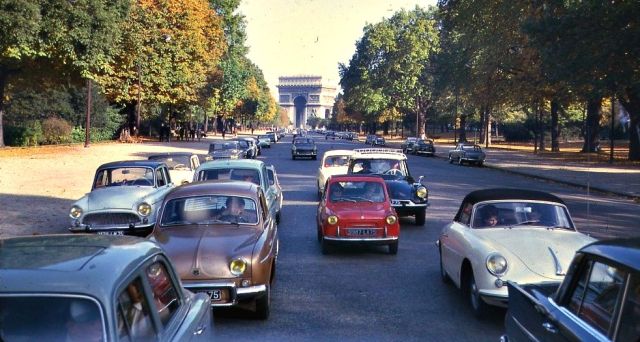
Don't expect to see cars like this on Parisian streets after this summer (unless it's a weekend). (credit: Don O'Brien @ Flickr)

Parisians with cars built before 1997 are going to need to head to the nearest car dealership if they want to keep driving in the city after July 1.

The French capital has experienced quite horrific air pollution in the last few years, and there was a massive spike in March 2015 that saw the city's air quality drop lower than that of Beijing, China. After trying out temporary restrictions to vehicle traffic, Les Echos reports that the city has decided to implement new rules that will ban older and more polluting vehicles from its streets on weekdays. Those restrictions will also tighten over time; in 2020, only cars built since 2011 will be allowed.

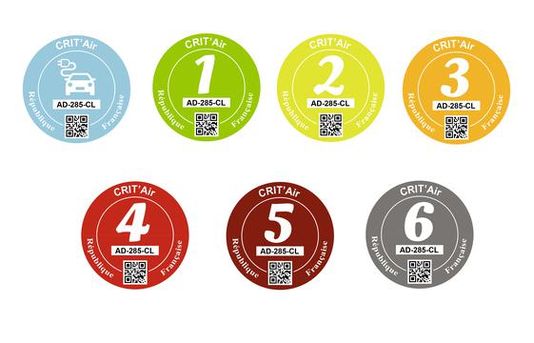
The vehicle classification scheme means you get one of these window stickers based on which Euro emissions standard your vehicle complies with.

This announcement follows a decision by the French government to finalize a nation-wide scheme of ranking vehicle emissions (the system is based on the European emissions standards). Any vehicle made on or before December 31, 1996 was built to conform with Euro 1, the weakest of these standards, and it's these cars that are no longer allowed in the capital. Pre-2000 motorbikes and other two-wheeled vehicles are also on the hit list.

Read 2 remaining paragraphs | Comments
Tesla Model 3 owners will have to pay for supercharger access

Alternative energy vehicles need refueling/recharging infrastructure to succeed.

(credit: Lee Hutchinson)

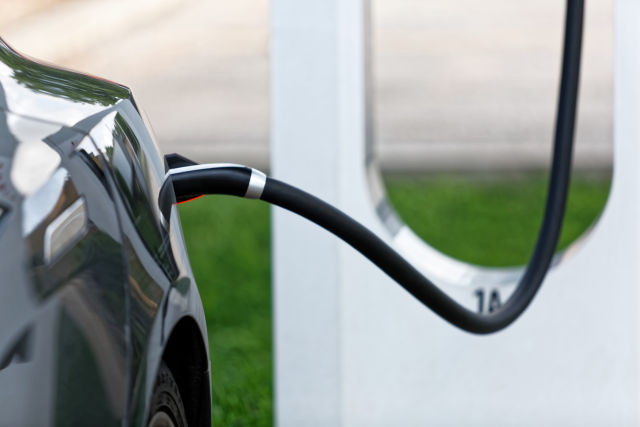
When it comes to succeeding in the marketplace with an alternative energy vehicle, building a good car is only one part of the equation. If you want lots of people to adopt the new technology, they have to be able to recharge it regularly and with ease. It's arguably a reason that Tesla's cars have been such a hit. Fifteen minutes on a supercharger will give an empty Model S or Model X a range of more than 100 miles, enough to reach the next supercharger (lather, rinse, repeat).

Even more appealing is the fact that those Model S and Model X drivers don't have to pay anything for the privilege; access to the company's supercharger network is factored into the purchase price (although it was a $2,500 option for the less-powerful Model S at one point). Unfortunately for the more than 400,000 people who've ordered a Model 3, this won't be the case. During a shareholder call on Tuesday, Elon Musk explained that economics mean that Tesla is not going to offer that same deal to customers of the $40,000 electric vehicle.

The cheapest Model S costs $71,500 before any tax incentives or rebates, and most customers spend a lot more than that to buy the more powerful 90kWh version. By contrast, the Model 3 will almost cost half that amount, produced in much larger volume. It is likely that Tesla will offer Model 3 customers a cost option for lifetime access to the network, but Musk told shareholders that the company will have to charge Model 3 owners something, because it hasn't worked out how to do it for free.

Read 3 remaining paragraphs | Comments

Broken shifter? Top Gear’s new season fails to wow

Forget the main event, stick to the Web-only Extra Gear.

(credit: BBC)

Top Gear, one of the BBC's most successful shows, returned on Sunday night with a new cast—and very few fresh ideas. Ratings in the UK missed the 5 million mark that host Chris Evans set as a measure for success, and the best parts were relegated to the Web-only Extra Gear, starring Rory Reid and Chris Harris. The debut could prove troublesome for a BBC that needs strong foreign sales of the show to fill its coffers in times of ever-decreasing government support.

The show, which premiered Monday night on BBC America and Sunday night on BBC Two in the UK, is the third iteration of Top Gear since 1977. The original format wasn't particularly good, but it did well because the UK had only a handful of TV channels to watch at the time. 2002 brought the Andy Wilman-produced reboot, starring Jeremy Clarkson, James May, and Richard Hammond. Under their tenure, the show didn't just succeed with UK audiences—it built up a global cult following with fans either watching it on local broadcasters or more commonly via Internet piracy.

But last year, Top Gear's machinery ground to a halt after the show's frontman berated and then attacked a producer during a toddler-like tantrum (if toddlers punched people and called them c*nts). The latest of an increasingly long list of Clarksonian scandals was too much for the state-funded BBC to endure, and the grand oaf of television was fired. With the frontman gone, Wilman, May, and Hammond threw in the towel as well, but things ended well for the gang. They landed a multimillion dollar contract with Amazon to make a new series called The Grand Tour, which debuts later this year.

Read 4 remaining paragraphs | Comments

A gratuitous gallery of warbirds for Memorial Day

Celebrating Memorial Day with a trip to the National Museum of the US Air Force.


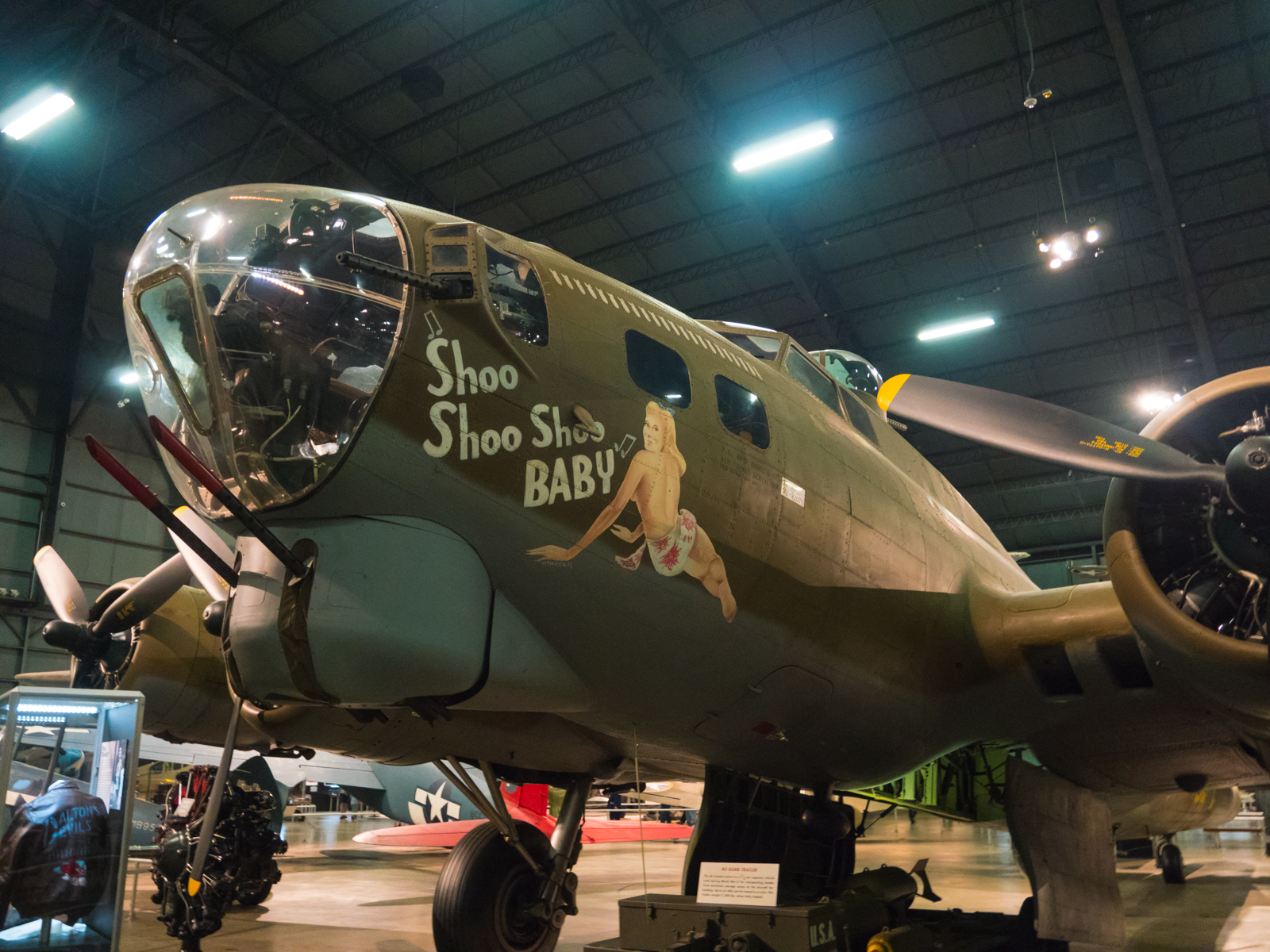
Americans have honored those lost in war in some shape or another since just after the Civil War. Memorial Day as we know it—a federal holiday on the last Monday in May—is more recent, dating back to 1968. But the sentiment is the same—remembering those who paid the ultimate price in defense of their country. Since a recent trip happened to take us by the National Museum of the United States Air Force in Dayton, Ohio, we've decided to celebrate it here at Ars by bringing you this gallery of some fine-looking warbirds.

The museum can be found at Wright-Patterson Air Force Base. It's truly vast—even giants of the air like the B-36 and B-52 can seem small underneath the roof of one of its hangars. It also has some rather significant planes in its collection, notably Bockscar, one of the two B-29s that dropped atom bombs on Japan in World War II (the Enola Gay lives at the Smithsonian's Udvar-Hazy collection in Dulles, VA).

The collections under those massive hangers are organized chronologically, from the beginning of flight through World War II, Korea, Vietnam, the Cold War, through to today. Sadly, we weren't able to check out one of the museum's most fascinating aircraft, the remaining North American XB-70 Valkyrie; the new hanger for research and experimental aircraft (and old Air Force Ones) doesn't open until next week.

Read on Ars Technica | Comments

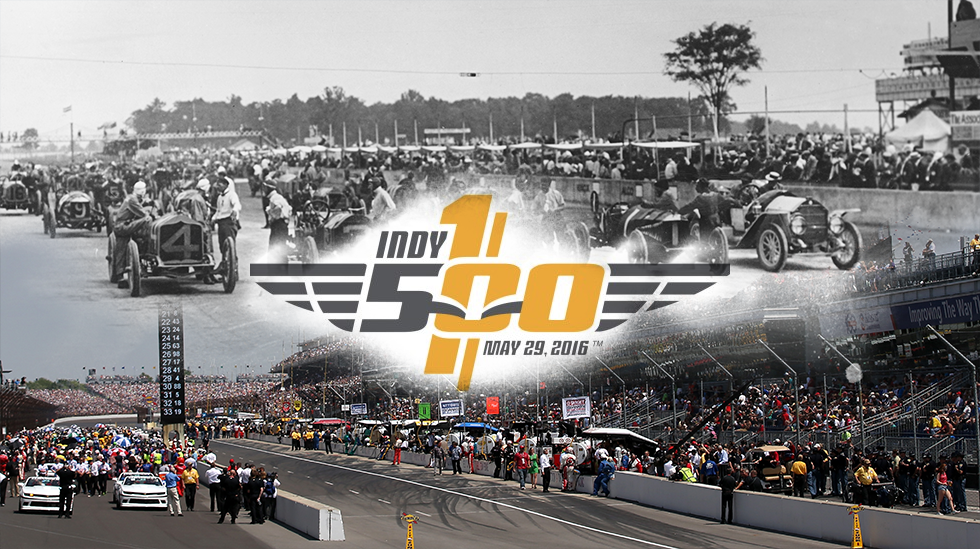
The Greatest Spectacle in Racing turns 100: The 2016 Indy 500

Record crowds were on hand to witness one of the fastest races in the world.

(credit: Aurich Lawson)

When it comes to American sporting traditions, there are few events as storied as the Indianapolis 500. It's a 500-mile test of speed, endurance, and bravery that takes place at the end of May. It takes place at the Indianapolis Motor Speedway, a 2.5-mile (4km) race track that's not only the oldest of its kind but also the largest sporting venue anywhere on Earth. And this year's Indy 500 is a special one—it's the race's 100th running. With speeds well in excess of 200mph (321km/h), it's the fastest race on the motorsport's calendar, and this year Ars was in attendance along with more than 350 thousand others to take in what's often called the greatest spectacle in racing.

The Track

As we'll see, the cars have changed a lot over the course of those hundred runnings. And the race has gone through good times—with crowds topping 400,000—and bad. There's been innovation, and more than its fair share of tragedy. But throughout it all the track has remained a constant. Well, almost.

Indianapolis Motor Speedway was built in 1909 by Carl Fisher, who wanted to create a venue for the nascent American auto industry to test its new-fangled creations. Initially, the 2.5-mile track's surface was made of crushed stone, something that proved conducive to a series of fatal accidents that started with the first car race it held on August 19 of that year. As the death toll mounted over the next few days, Fisher and his partners made the wise decision to pave it. They opted for bricks—more than 3.2 million of them, leading locals to dub the speedway "the Brickyard."

Read 22 remaining paragraphs | Comments

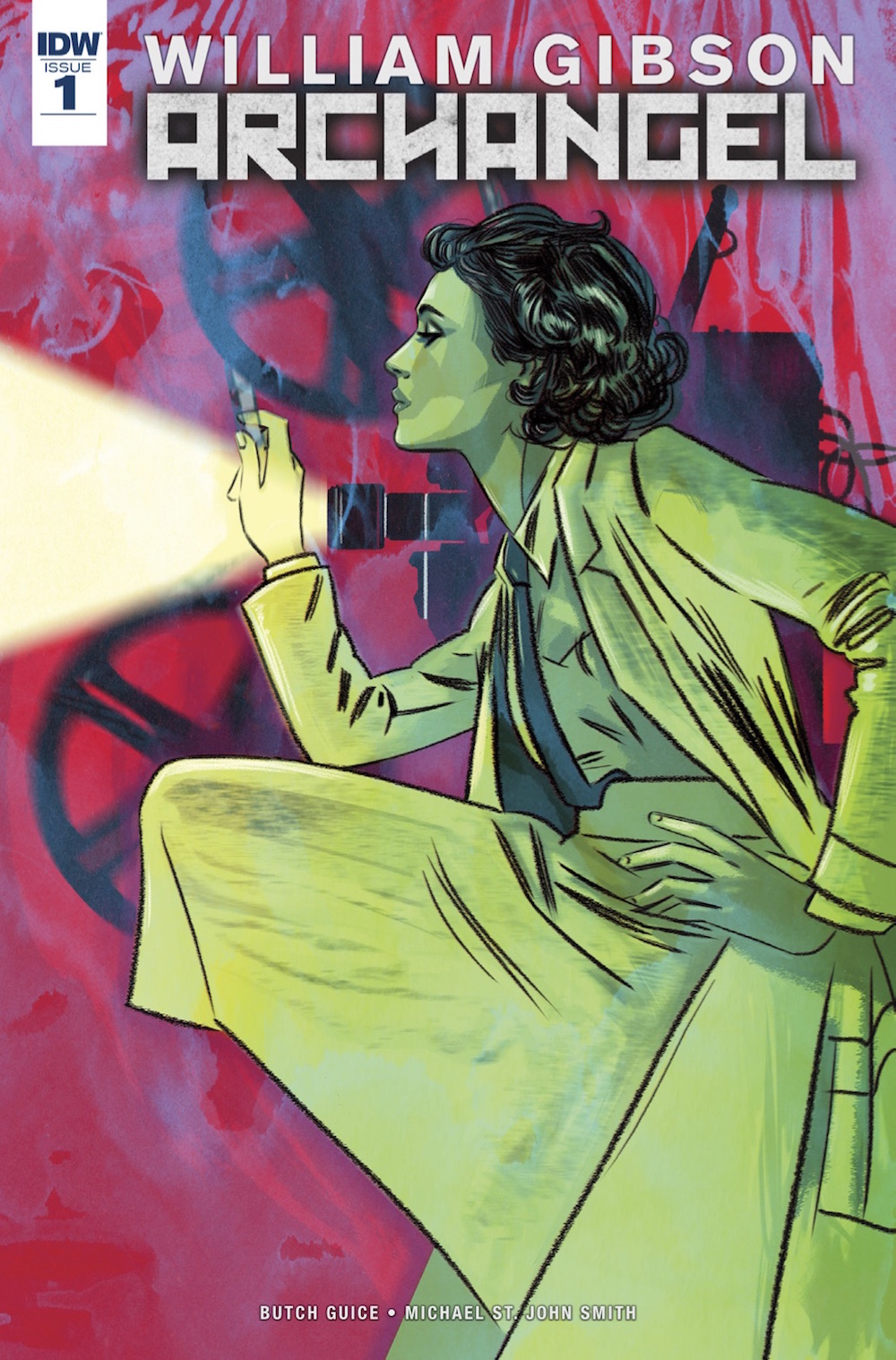
William Gibson has written a comic, and you should read it

One of our favorite authors is working in a new medium, and the results are grand.

Warning: this post contains minor plot spoilers.

We're in an exciting time for new comics right now, and I'm not talking about Captain America's reveal as a Hydra agent. No, ditch those superheroes. Authors like Greg Rucka (with Michael Lark and Eric Trautmann) and Brian K. Vaughan (with Fiona Staples) have been knocking it out of the sci-fi park with Lazarus and Saga, respectively. Now we can add one of Ars' favorite authors to that honor roll: William Gibson has made the leap from prose to picture books, collaborating with Michael St. John Smith and artist Bruce Guice to give us this week's first issue of new IDW series Archangel.

"It's an alternate-history/cross-worlds story," Gibson writes in the back matter. "And I wouldn’t want to spoil too much of the frame, because that’s an inherent part of our narrative. But I will say that one of the first verbal tags we had for the material was 'Band Of Brothers vs. Blackwater.'"

Read 7 remaining paragraphs | Comments

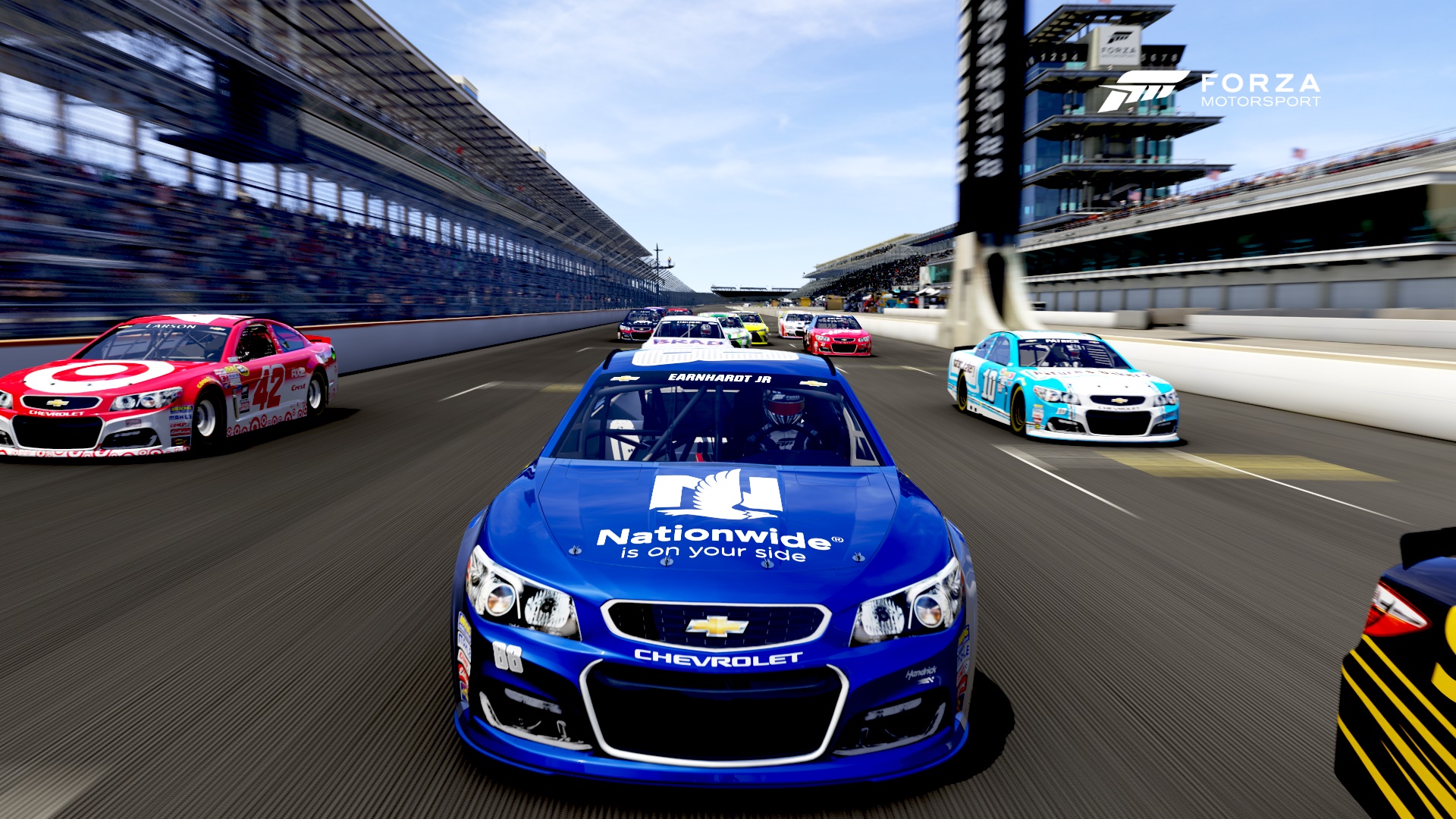
Cup cars vs the world: Forza’s new expansion is a brave move for NASCAR

It might be light on realism, but that doesn’t mean it’s not a lot of fun.

2016 has been a bit of a bumper year for Turn 10. Forza Motorsport 6 has been ported to Windows 10, and the Xbox One version has had not one but two expansion packs—first the return of Porsche and more recently an official NASCAR license. Stock cars have appeared in previous installments of the franchise (last seen in Forza 4), but the $20 (£16) NASCAR expansion puts these 3,300lb (1.497kg) 700hp+ monsters front and center.

Turn 10 also pushed out a fairly significant update to Forza 6 alongside (but independently of) the NASCAR expansion, adding some tweaks to the game that players will benefit from even if they don't want to buy the stock cars. Drafting in the slipstream of another car has been tweaked. When you're racing in a pack, the HUD now has little proximity arrows that let you know someone is in a blind spot. You can configure games to include mandatory pit stops and also rolling starts (as opposed to taking off from a standstill).

As for those NASCAR Cup cars, arguably this is a brave move. The new career campaign transplants these specialized oval racing machines onto race circuits from around the world, pitting them head-to-head against more conventional Forza fodder (sports cars like the Audi R8 LMS, Ferrari 458 GTE, and McLaren 12C GT3, which race at Le Mans and the like). The sport has a well-deserved reputation for extremely careful control of its image, hence my surprise at their willingness to enter into such a direct comparison with other flavors of racing. It's the automotive equivalent of firing up Madden and then facing off against Manchester United or the New Zealand All Blacks.

Read 8 remaining paragraphs | Comments