NIH gets a flat 2017 budget—if Congress can find another $1.8 billion

Fewer and smaller research grants ahead, even if it does come up with the cash.

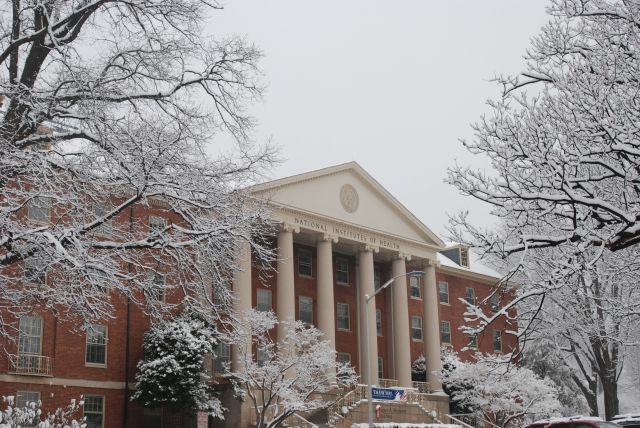
President Obama released his fiscal year 2017 budget proposal today, and it's not good news for the National Institutes of Health, the country's leading funder of biomedical research. The request for the NIH will see funding levels flat for next year—but only if Congress manages to find an extra $1.8 billion for medical research. Assuming that happens, $825 million will go to the president's three big biomedical initiatives, with the bulk—$680 million—going to the cancer "moonshot."

The other $1 billion will get split between the 27 institutes and centers that make up the NIH, but that doesn't mean more money for their work. Rather, that money is necessary to fill the gaps left by an equal level of discretionary spending cuts.

This is not great news for the (shrinking) cohort of biomedical researchers out there who depend on NIH funding. The bucket of money for research project grants (grants submitted by academics to the NIH for funding) is up a little in fiscal year 2017—$18.2 billion vs $17.8 billion in fiscal year 2016. But there will be fewer awards made (9,946 vs 10,753), and they're going to be smaller on average (larger projects will soak up more of the money). None of these numbers takes inflation into account, either. NIH Director Francis Collins is fond of pointing out that the NIH's spending power was 25 percent greater in 2003 than now because of inflation.

Read 2 remaining paragraphs | Comments
Getting to know the FF, a Ferrari you can drive every day

Stratospheric price, morally questionable fuel thirst, amazing noise, and… practicality?

We test drive the Ferrari FF. Video shot/edited by Jennifer Hahn. (video link)

Ferrari's FF is an intriguing car. In fact, it's something of an automotive Schrödinger's cat, somehow extremely practical while simultaneously being unthinkably out-of-reach for most of the population. It has true all-weather performance thanks to some rather clever engineering, and this vehicle can cope with four adults and their luggage—it can even handle a Costco run. All the while, this car remains a V12 Ferrari. It costs more than any other car we've driven recently and drinks gasoline at a rate that makes polar bears weep. What's it like living with such an automotive contradiction for a few days? 

Design

First, let's make one thing clear: the FF isn't a sports car, it's a grand tourer (or GT). Its design brief was less about breaking lap records at Monza and more about being able to cope with weekend dashes across continents come rain or snow. The car achieves this with a rather clever, all-wheel drive system (Ferrari's first) that uses not one but two transmissions to send power from an enormous (6.3 L) V12 engine to the road.

Read 26 remaining paragraphs | Comments

The story of the greatest comic you probably never read

2000AD‘s origins, industry-leading contributors honored in a proper documentary.

2000AD is the one of the most influential comics in the world, but if you grew up in America you've probably never heard of it. It's time to right that wrong, courtesy of a documentary called Future Shock! It's recently been released in the UK, but Amazon will ship you a region 2 copy—and it's well worth the three-week wait if you are a comic fan.

It tells 2000AD's back story from the comic's birth during the time of punk, through heights of popularity and lows of corporate neglect. Launched in 1977, the comic was meant to cash in on Star Wars' popularity and then die a little while later. Instead, it became a vehicle for Pat Mills and the team he assembled to warp young minds with subversive, often ultraviolent science fiction.

Future Shock! interviews almost all the important figures in 2000AD's history—minus Alan Moore as he's busy being a wizard in Nottingham—tracing its influence on wider popular culture. Comics—particularly superhero comics—are ascendent today due in large part to creatives who cut their teeth on 2000AD, and the documentary offers great insight into how so many of them ended up working for Marvel, DC, and other American imprints. Watching Mills is a particular joy—especially his paternal fury at the various mistreatments suffered by his colleagues and the comic.

Read 6 remaining paragraphs | Comments

Talking Porsche Cayman GT4 Clubsports with CJ Wilson

The MLB Pitcher’s championship race team has moved up, racing Porsche’s latest.

When we last met CJ Wilson Racing, the team had just won the 2015 Street Tuner championship in the Continental Tires Sportscar Challenge. For 2016, this racing team led by the Major League Baseball star of the same name has stepped up to Grand Sport, the top class in the Continental series. And it's doing so with a brand-new race car—the Porsche Cayman GT4 Clubsport.

With the Cayman GT4, Porsche finally did something most of us have been waiting for; it built a track-focused Cayman. The company has always said that the 911 is the flagship, and until the GT4, it was fairly obvious that Weissach did not want to cannibalize sales of track-biased 911s by letting its mid-engined younger brother upstage things. But Porsche has a habit of making a stripped out version of models that have reached their end of life—The Cayman (and Boxster) are now part of the 718 family, and from here on out they will use turbocharged 4-cylinder engines. The naturally aspirated 6-cylinder Cayman GT4 is a prime example of the breed.

Those who've driven the road car have come away breathless and delighted, and if you want one be prepared to pay a big premium over msrp. A racing version showed up at November's LA Auto Show, complete with 911 GT3 front suspension and a PDK gearbox in place of the road car's conventional six speed manual. Even though the team is in its early days with the new car, Wilson seemed impressed. "It's amazing how capable this car was out of the box," he told Ars. "We slapped Continental tires on it, put it at the right ride height, changed some springs around and went out and whacked it on the track. We put up some good times. We have have two really good drivers but Porsche did everything they needed to do."

Read 6 remaining paragraphs | Comments

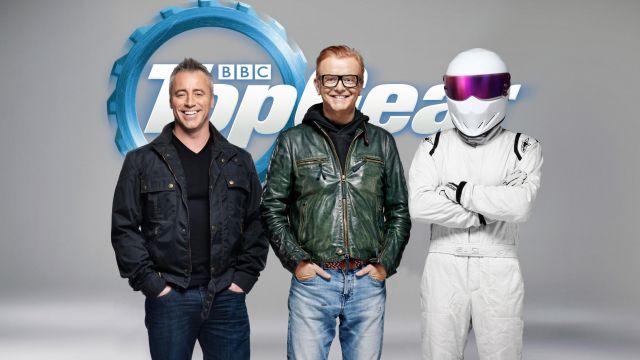
BBC looks for global appeal, hires Matt LeBlanc for Top Gear

Joey from Friends is a gearhead—and the fastest “star in a reasonably priced car.”

(credit: BBC)

Today, the BBC announced that Matt LeBlanc—best known as Joey from the sitcom Friends—is joining the cast of Top Gear alongside Chris Evans. Although the full cast is yet to be confirmed, it's widely believed that Evans and LeBlanc will be joined by car journalist Chris Harris and German racing driver Sabine Schmitz. And if the picture on Top Gear's website is anything to go by, The Stig will be back in May of this year as well.

LeBlanc has proper car credentials, too. He was the fastest "Star in a Reasonably Priced Car" on Top Gear and is a frequent sight in the paddock club at Formula 1 races. According to Top Gear's website, further cast announcements are due soon—Harris has just announced he's closed his Patreon, if any more clues are needed.

Hiring LeBlanc is a smart move by the BBC. The previous incarnation of the show had to work hard to create global appeal but did so successfully, earning a lot of money for the corporation along the way. With Clarkson et al. off to Amazon, LeBlanc gives the new version some star appeal beyond Evans (who is unknown in the US).

Read on Ars Technica | Comments

General Motors made a lot of money in 2015

$9.7 billion in income, $5.91 per share, and up to $11,000 bonuses for workers.

(credit: General Motors)

Things are looking pretty good at General Motors these days. The US' largest car maker just reported its Q4 2015 results: $6.3 billion in net income, a big jump over the $1.1 billion it earned during the same period in 2014. Net income for 2015 was $9.7 billion.

That's good news for shareholders—GM earned $5.91 per common share—and also for GM's hourly workers. The 49,600 GM employees who are members of the United Auto Workers union are in line for up to $11,000 in bonus payments as a result of the company's success.

"It was a strong year on many fronts, capped with record sales and earnings, and a substantial return of capital to our shareholders," said chairman and CEO Mary Barra. "We continue to strengthen our core business, which is laying the foundation for the company to lead in the transformation of personal mobility. We believe the opportunities this will create in connectivity, autonomous, car-sharing and electrification will set the stage for driving value for our owners for years to come."

Read 3 remaining paragraphs | Comments

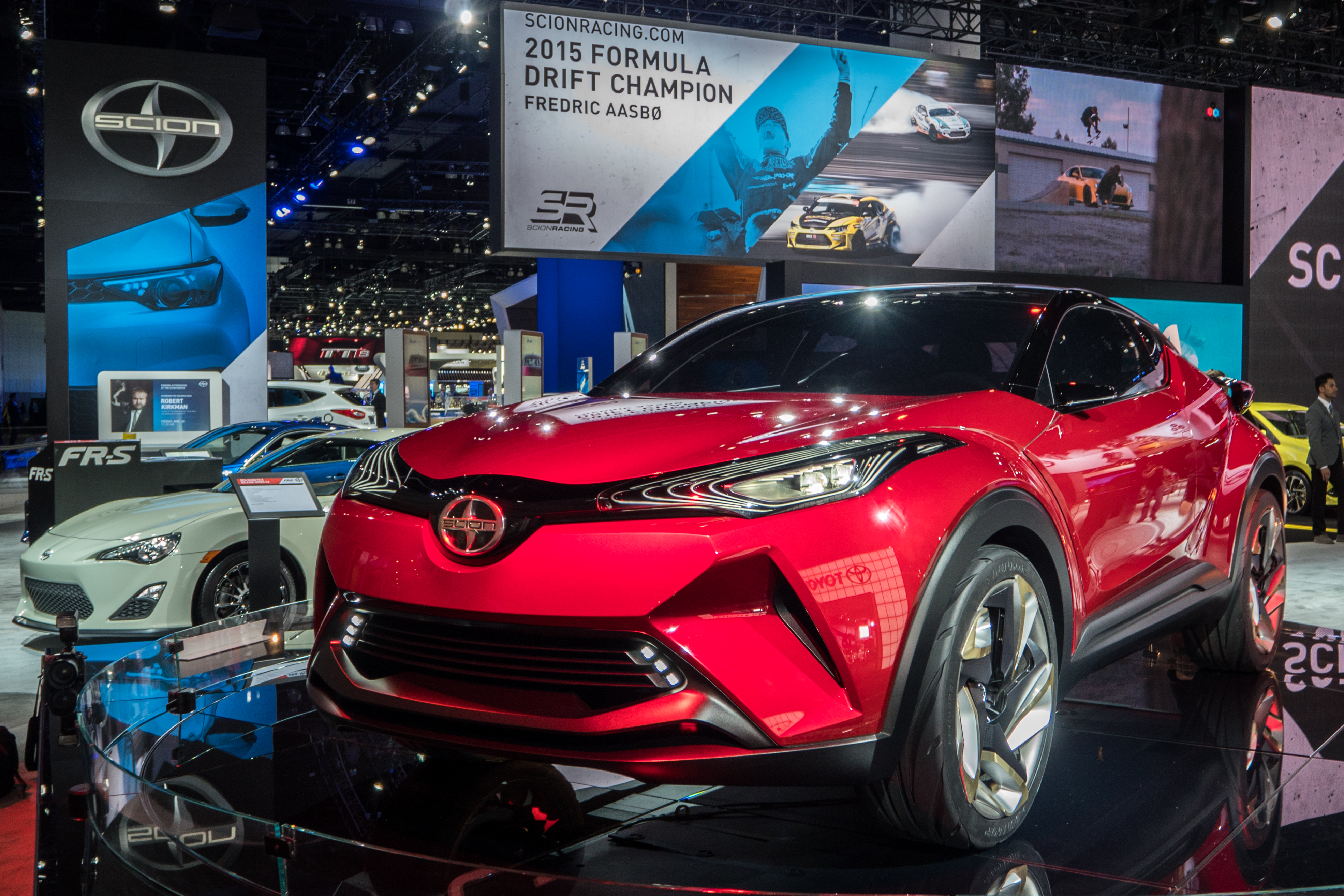
Toyota calls time on Scion sub-brand

It attracted new customers, but from model year 2017 the cars will be Toyotas.

Japanese car companies have been experimenting with US-market sub-brands for quite a while now. Toyota arguably owns the trend—and the most successful example—with Lexus, which rebranded Japanese-market Toyotas like the Soarer and Camry with a side helping of added luxury. Others followed suit (Nissan and Infiniti, Honda and Acura), and Toyota tried it for a second time with Scion, a sub-brand aimed at the young. Today, the company announced that Scion is no more.

“Scion has had some amazing products over the years and our current vehicles are packed with premium features at value prices,” said Andrew Gilleland, Scion vice president. “It’s been a great run and I’m proud that the spirit of Scion will live on through the knowledge and products soon to be available through the Toyota network.”

In addition to more youth-oriented cars, Scion also let Toyota experiment with ideas like no-haggle pricing and a slimmed-down options list (not to be confused with the huge number of accessories for personalizing one's car).

Read 2 remaining paragraphs | Comments
Morgan, maker of classic sports cars, is going electric

Yes, you’ll be able to buy a wood-framed electric car in 2019.

The Morgan Motor Company—best known for still using postwar styling and wooden body frames for some of its cars—will have a full hybrid and electric range within the next three years. The British car maker is going to invest $8.6 million (£6 million) to develop hybrid and electric powertrains for all the models in its range by 2019, working in conjunction with Delta Motorsport and Potenza technology.

Despite the retro image of Morgan's cars—the company does still use ash wood as a structural material, even in 2016—the company has actually been quite forward-looking over the past decade. The Aero 8 (introduced in 2007) has an up-to-date aluminum chassis and modern aerodynamics, even if it looks like it stepped out of the pages of an alternative history novel.

"We have been involved in the research and development of new propulsion technology since the inception of the LifeCar project almost ten years ago. We are now ready to develop the best hybrid and electric drive-train solutions for production implementation before the end of the decade," said Steve Morris, Morgan's boss.

Read 1 remaining paragraphs | Comments
Starting the racing year right at the Rolex 24

The classic season-opening event for endurance racing in the US.


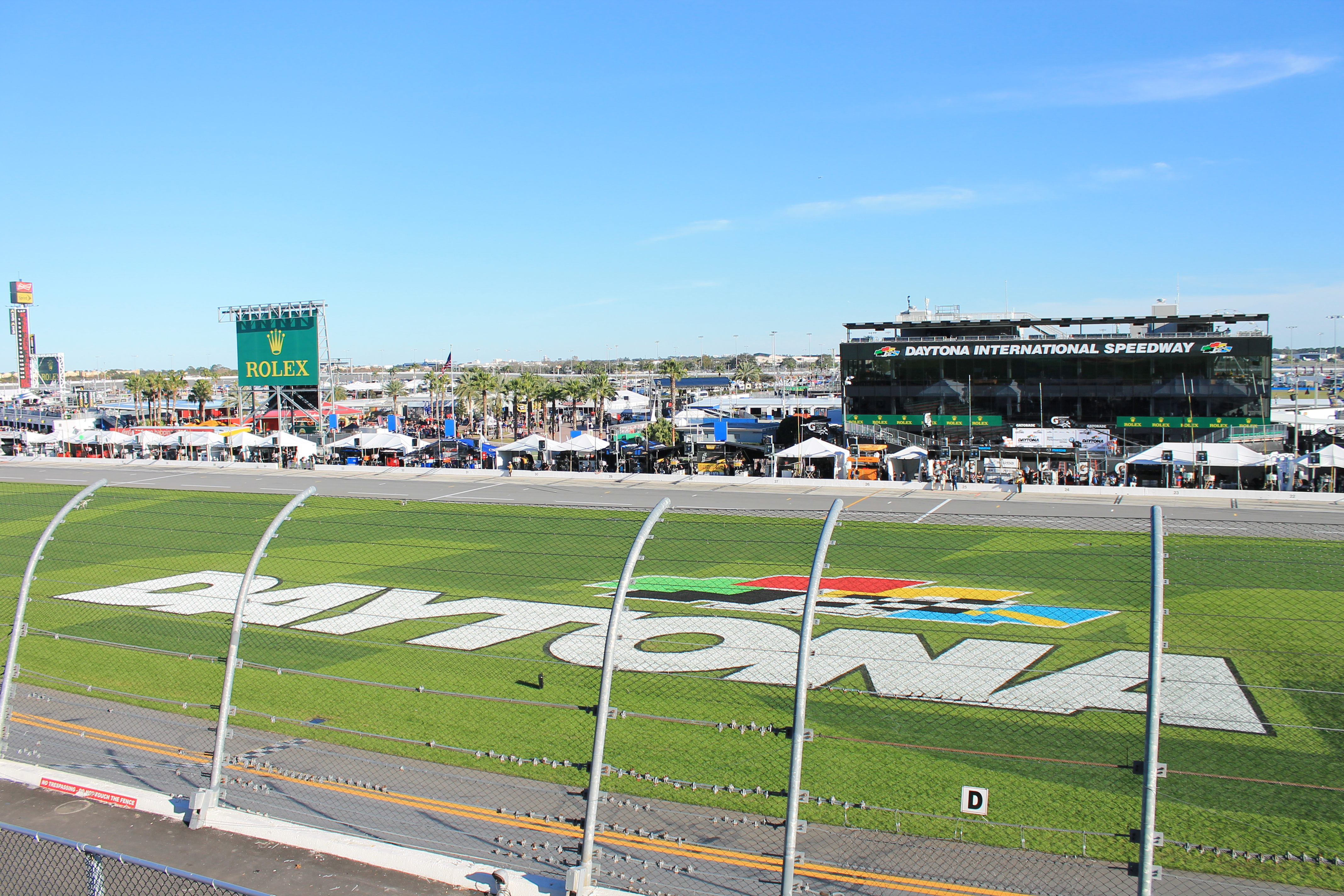
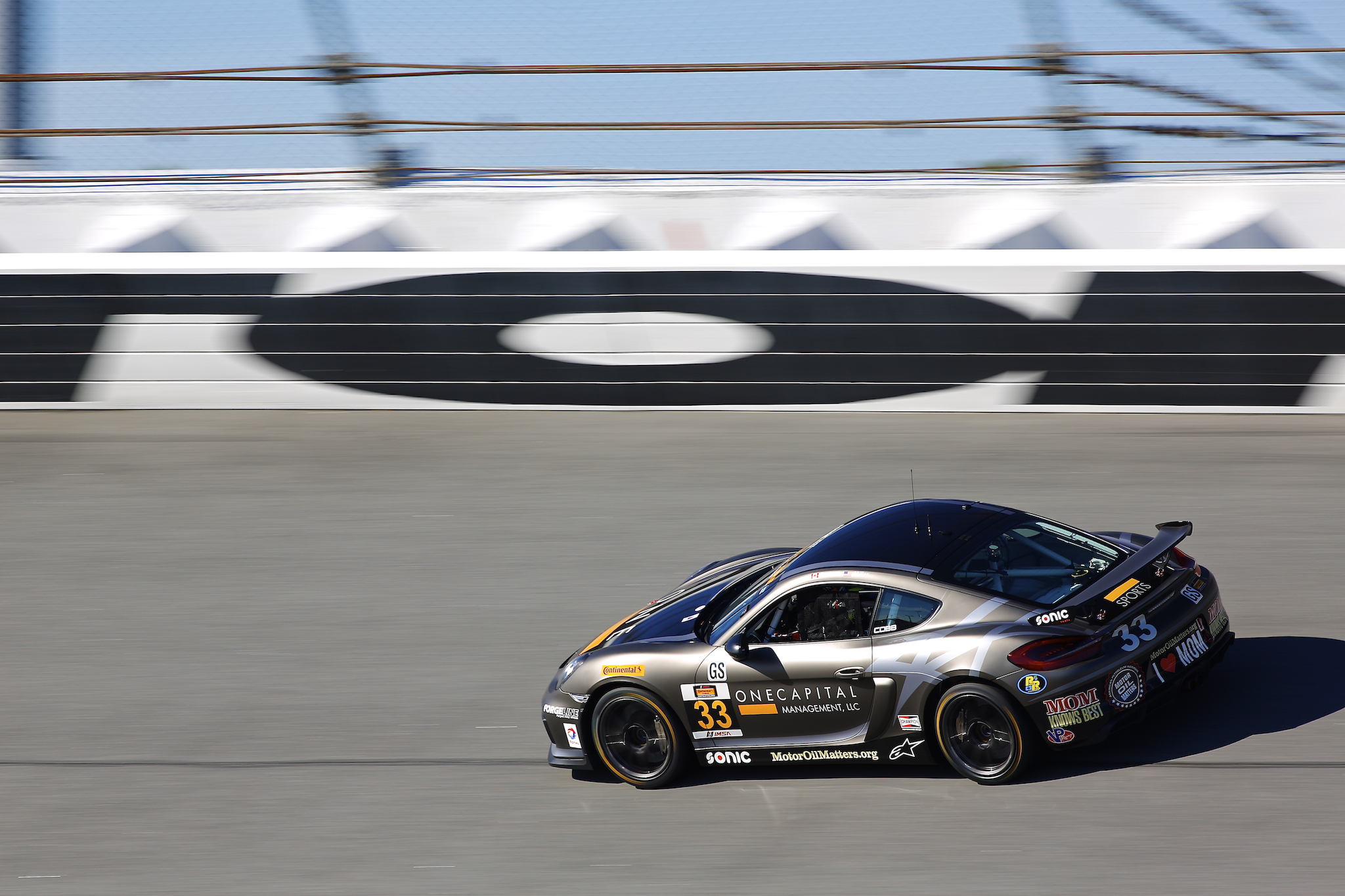
DAYTONA BEACH, Fla.—The Rolex 24 at Daytona is the start of the American sportscar racing season. Since it happened to coincide with my 40th birthday, we decided to fly down to Florida to check it out. The main event is a 24-hour race for the WeatherTech SportsCar Championship, which you might remember last year as the Tudor United SportsCar Championship. The race involves four different classes of car racing on track at the same time.

The fastest cars race in the Prototype class, a mix of older Daytona Prototypes (tubeframe race cars) and LMP2s (carbon fiber prototypes that race at Le Mans). Next quickest are the GTLM cars, which are factory-supported racecars based on roadgoing machines like the Corvette Z06 and Porsche 911. Both Prototypes and GTLM feature lineups of professional drivers, many of whom are world-class. Several stars of NASCAR and IndyCar were in the field this year.

The next two classes are pro-am, where wealthy amateurs are joined by professional hotshoes. There are the Prototype Challenge cars, which are all identical open-cockpit cars with Chevy V8s. The other pro-am class is GTD, which this year uses the GT3 technical ruleset. Like the GTLM cars, these are based on road-going machines like Lamborghini Huracáns and Dodge Vipers, but there is less room for technical development.

It's been an action-packed race so far (with almost six hours left to run at the time of writing). Who wins is anyone's call. You can catch the end of the race on Fox Sports or streaming via the IMSA website or app.

Read on Ars Technica | Comments

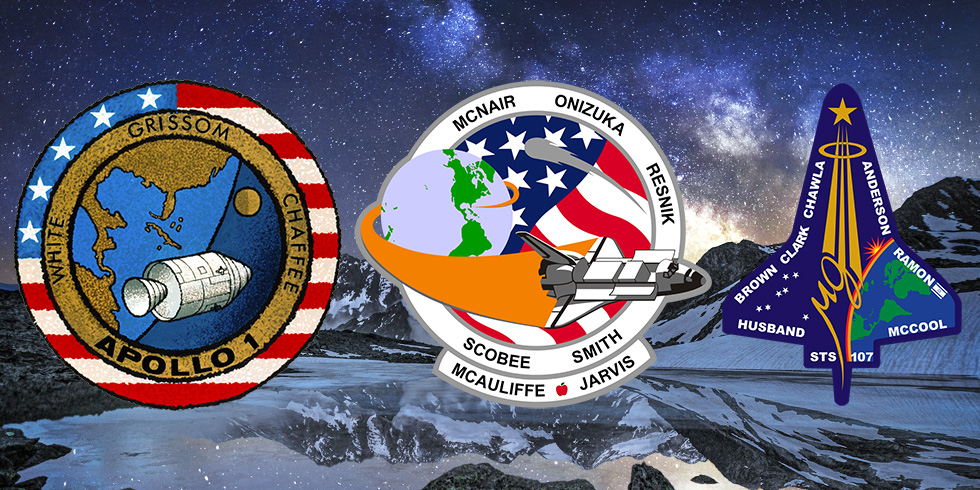
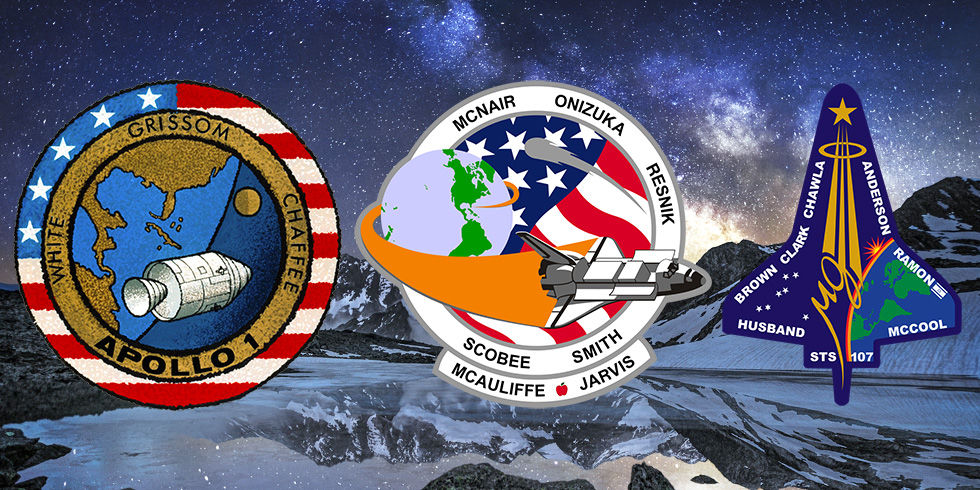
Apollo 1, Challenger, and Columbia: Remembering NASA’s lost astronauts

From the archives: NASA’s three worst disasters are clustered at the end of January.

Apollo 1, Challenger, and Columbia: Remembering NASA’s lost astronauts

Enlarge (credit: Aurich Lawson)

Update: Yesterday, February 1, marked 16 years since the 2003 Columbia disaster. Those both in the space industry and those watching have long realized and acknowledged the inherent risk in reaching the heavens ("The conquest of space is worth the risk of life,” as Gus Grissom once famously said). But events like this provide a somber reminder. In light of three recent days of NASA remembrance—January 27, January 28, and February 1—we're resurfacing our look at these tragedies and the astronauts lost. This post originally ran on January 28, 2016, and it appears unchanged below.

The middle of winter is a somber time of year for the spaceflight community. The three worst tragedies of NASA's manned space program fall within just six days on the calendar, from January 27 to February 1: Apollo 1, less than three years before Armstrong and Aldrin walked on the Moon; Challenger, watched live by millions around the world; Columbia—like Challenger before it, an avoidable accident rooted in NASA's internal culture.

Apollo 1: January 27, 1967

The loss of the Apollo 1 crew (along with the spacecraft) several weeks before its intended launch date was a severe setback for America's lunar ambition. Apollo 1 was supposed to carry Gus Grissom, Ed White, and Roger Chaffee into low Earth orbit on February 21, 1967, the first launch in a series that would culminate in a pair of American astronauts walking on the Moon's surface in July 1969. Instead, all three suffocated when fire broke out in the Command Module during what was thought to be a low-risk test.

Read 13 remaining paragraphs | Comments