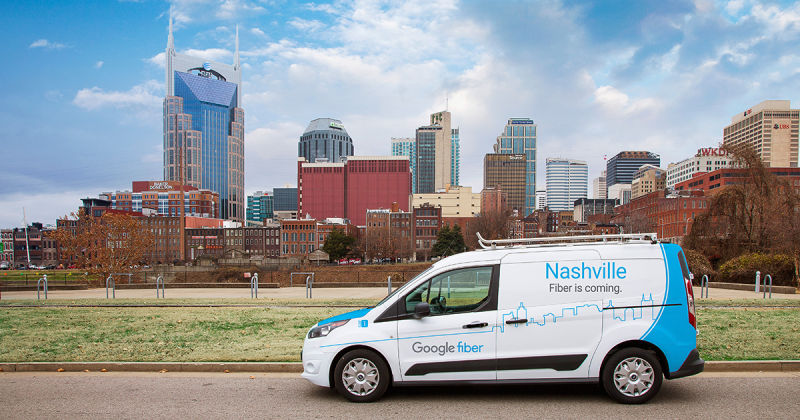
Google Fiber wins faster access to utility poles over AT&T’s objections

AT&T likely to sue Nashville over rule providing quick access to utility poles.

Enlarge (credit: Google Fiber)

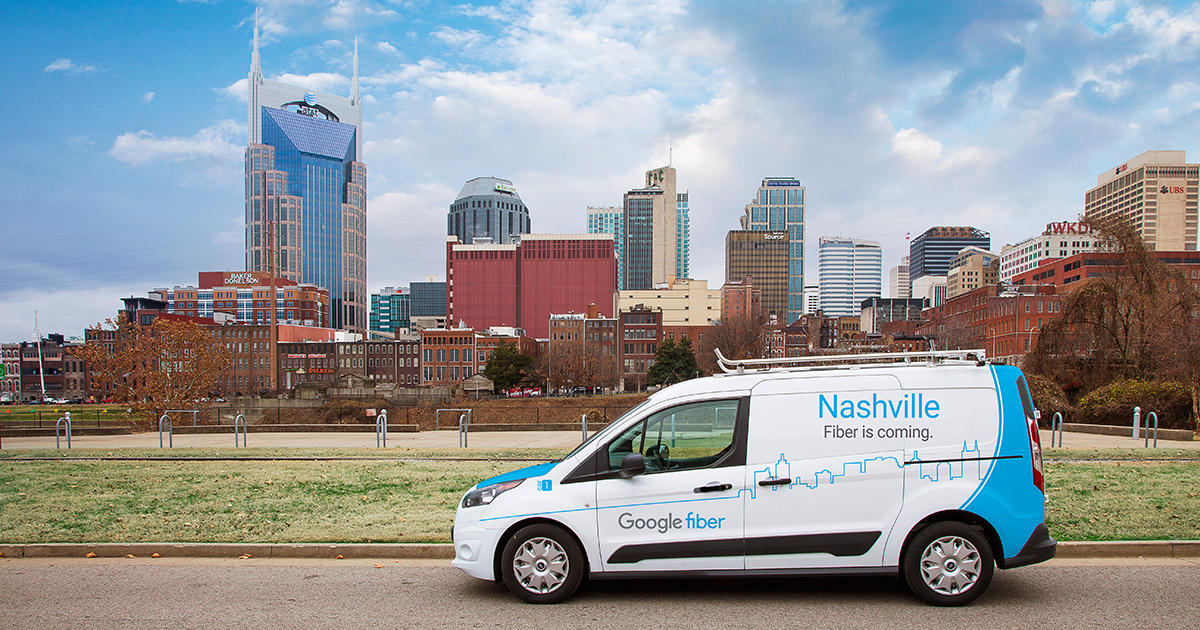
Officials in Nashville, Tennessee have voted to give Google Fiber faster access to utility poles, approving an ordinance opposed by AT&T and Comcast. AT&T has already said it would likely sue the city if it implements the new rule.

The Nashville Metro Council voted 32-7 yesterday in favor of the "One Touch Make Ready" policy on its second reading.

"The second-reading vote does not guarantee the policy will pass on its third and final reading, but the second vote is generally considered the most critical in front of Nashville Metro Council," the Nashville Business Journal wrote.

Read 4 remaining paragraphs | Comments
AT&T, owner of DirecTV, exempts DirecTV from mobile data caps

Netflix and other video services count against AT&T caps—unless they pay up.

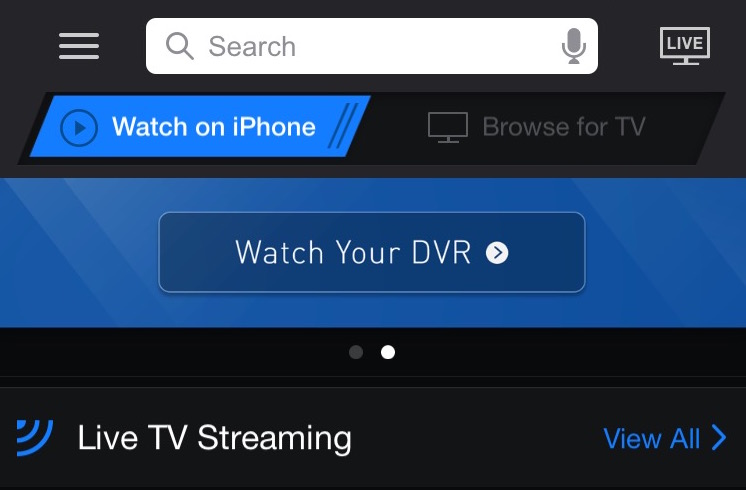
Enlarge / The DirecTV app for iPhone.

AT&T is now exempting DirecTV streaming video from data caps on AT&T's mobile Internet service.

AT&T purchased DirecTV in July 2015 and today pushed an update to the DirecTV iPhone app to implement the data cap exemption. "Now you can stream DirecTV on your devices, anywhere—without using your data. Now with AT&T," the app's update notes say under the heading "Data Free TV." This feature requires subscriptions to DirecTV and AT&T wireless data services.

It sounds like the data cap exemption may not apply to all data downloaded by the app, as the update notes further say that "Exclusions apply & may incur data usage." The service is also "Subject to network management, including speed reduction." We've asked AT&T for more information and will provide an update if we receive one.

Read 7 remaining paragraphs | Comments

AT&T refuses to offer low-income discounts for sub-3Mbps Internet

AT&T is required to offer $5 Internet to poor people, but many are out of luck.

(credit: Aurich Lawson / Thinkstock)

When AT&T purchased DirecTV, merger conditions imposed by the Federal Communications Commission required the ISP to offer Internet service for either $5 or $10 a month to people with low incomes.

But AT&T has found a way around this requirement in areas where the company has failed to upgrade its network to anything remotely resembling modern Internet service. If you live in a place where AT&T's maximum download speeds are less than a paltry 3Mbps, you can't get the discount from the new "Access from AT&T" program.

The FCC merger condition appears to require discount Internet service only in areas where speeds of at least 3Mbps are available. In most places, AT&T must offer either 5Mbps or 10Mbps Internet service for $10 per month to poor people. But in areas "where AT&T has deployed broadband service at top speeds below 5Mbps," the FCC merger order says, "the Company shall offer wireline Broadband Internet Access Service at speeds of at least 3Mbps, where technically available, to qualifying households in the Company’s wireline footprint for no more than $5 per month."

Read 10 remaining paragraphs | Comments

Tales from Comcast’s data cap nation: Can the meter be trusted?

“Our meter is perfect,” Comcast rep claims. It isn’t—and mistakes could cost you.

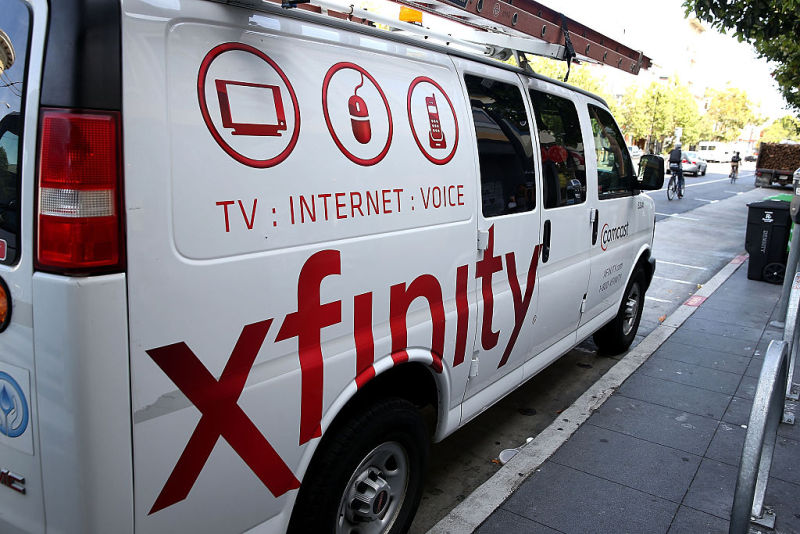
Enlarge / A Comcast service vehicle. (credit: Justin Sullivan/Getty Images)

On March 18, Ars ­­received an exasperated e-mail from the father of one very frustrated Comcast customer.

Elliot told us that his son, Brad, had received bills totaling more than $1,500, and Comcast alleged that Brad had been consistently using far more than his 300GB monthly limit. Overage charges of $10 for each additional 50GB were piling up as Comcast's meter claimed usage totaling multiple terabytes a month. In February, there were $350 worth of charges for 1,750GB of usage above the 300GB limit (about 2TB total). In January, there had been $570 in extra charges for 2,850GB above the 300GB limit (about 3TB total).

No one had any idea why Comcast's data meter was producing such high readings, but the cable company wasn't budging on the amount owed. Brad and his girlfriend, Alison, each 23 and living in Nashville, were working long hours and not using the Internet enough to consume terabytes per month, they say. Making just enough money to cover rent and college loans, they canceled their Comcast Internet to prevent more overage charges, and disputed the amount owed.

Read 88 remaining paragraphs | Comments

Google Fiber says it hasn’t gotten access to 44,000 poles in Nashville

AT&T calls Google Fiber claims misleading, provides numbers of its own.

Enlarge (credit: Google Fiber)

As Google Fiber fights AT&T and Comcast over access to utility poles in Nashville, the new ISP says it hasn't been able to get access to 44,000 poles in the city.

Google Fiber launched in Nashville in April, but expansion throughout the city has been slow in part because of pole access problems. Under the current process, Google Fiber has to wait for other carriers to perform "make ready" work that gets poles ready for Google to attach its own wires. Google Fiber is pushing a "one touch make ready" ordinance that would authorize the ISP to make all of the necessary wire adjustments itself without having to wait for incumbent providers to send their own construction crews. AT&T and Comcast have fought against the proposal.

With a Nashville Metro Council vote scheduled for September 6, Google Fiber published statistics yesterday detailing the scope of its problem.

Read 14 remaining paragraphs | Comments
OpenOffice, after years of neglect, could shut down

As LibreOffice soars, OpenOffice management considers retiring the project.

(credit: OpenOffice)

OpenOffice, once the premier open source alternative to Microsoft Office, could be shut down because there aren't enough developers to update the office suite. Project leaders are particularly worried about their ability to fix security problems.

An e-mail thread titled, "What would OpenOffice retirement involve?" was started yesterday by Dennis Hamilton, vice president of Apache OpenOffice, a volunteer position that reports to the Apache Software Foundation (ASF) board.

"It is my considered opinion that there is no ready supply of developers who have the capacity, capability, and will to supplement the roughly half-dozen volunteers holding the project together," Hamilton wrote.

Read 22 remaining paragraphs | Comments
AT&T’s throttling victory may hinder FTC’s power to protect consumers

Ruling raises questions about FTC ability to regulate Google, Verizon.

Enlarge (credit: Getty Images | Andy Cross)

AT&T's court victory over the Federal Trade Commission (FTC) this week had the immediate effect of helping the carrier avoid punishment for throttling the Internet connections of customers with unlimited data plans. The judges' decision could also have a long-term impact on the FTC's ability to enforce consumer protection laws.

The FTC's charter from Congress already prohibited the FTC from regulating common carriers, a designation that the Federal Communications Commission (FCC) has long applied to AT&T and other phone companies. But the FTC thought it could police non-common carrier activities regardless of whether another part of a company's business falls under the FCC's common carrier designation.

When the FTC sued AT&T in October 2014, the company was a common carrier for phone service but not for Internet access. The FTC argued that it could regulate AT&T's non-common carrier mobile data business, but AT&T argued that it was entirely exempt from FTC jurisdiction because it was a common carrier for voice service.

Read 14 remaining paragraphs | Comments
AT&T lectures Google Fiber about challenges of broadband investment

Google Fiber’s reported struggles cause AT&T to take a victory lap.

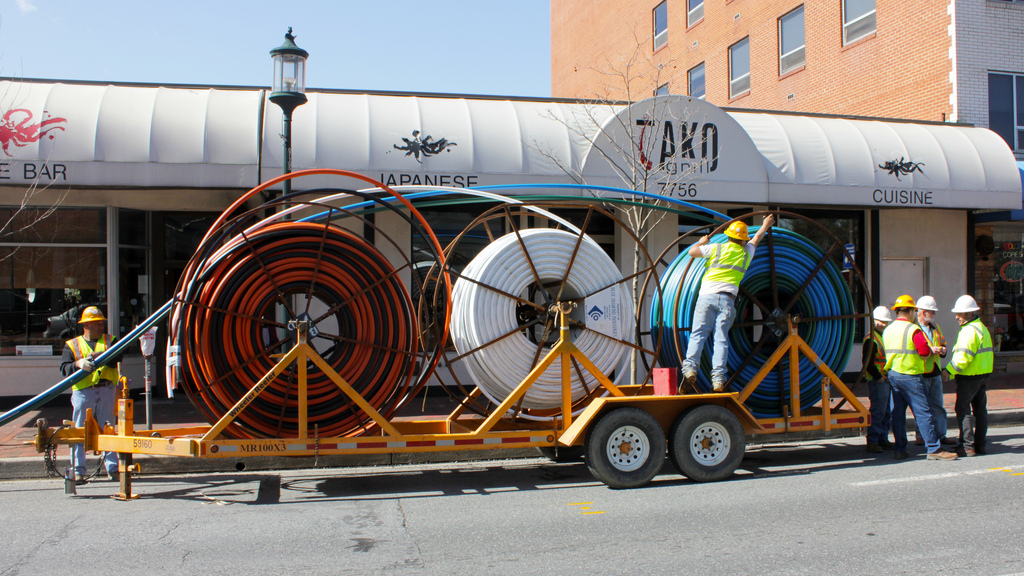
Enlarge / Workers with massive spools of fiber optic cable. (credit: woodleywonderworks)

AT&T celebrated Google Fiber's reported struggles yesterday by publishing a blog post lecturing its competitor about the difficulties of broadband investment. AT&T also criticized Google for seeking favors from the government—something AT&T would never do, of course.

The blog post is titled "Broadband investment: Not for the faint of heart" and is written by AT&T VP Joan Marsh, who manages AT&T's regulatory interests at the federal government. It provides a timeline of Google investment in broadband infrastructure starting with a bid on spectrum in 2007, saying that the company has never lived up to its grand ambitions. The latest example is Google Fiber, which has reportedly fallen well short of subscriber goals and may be downsizing. (Google hasn't confirmed or denied the reports of impending layoffs.)

AT&T says the "moral of the story" is that "building reliable, ubiquitous high-speed broadband connectivity is tough."

Read 7 remaining paragraphs | Comments

VMware says, “We’re not dead,” updates Fusion and Workstation for free

A simple upgrade to support a new OS shouldn’t cost you, VMware says.

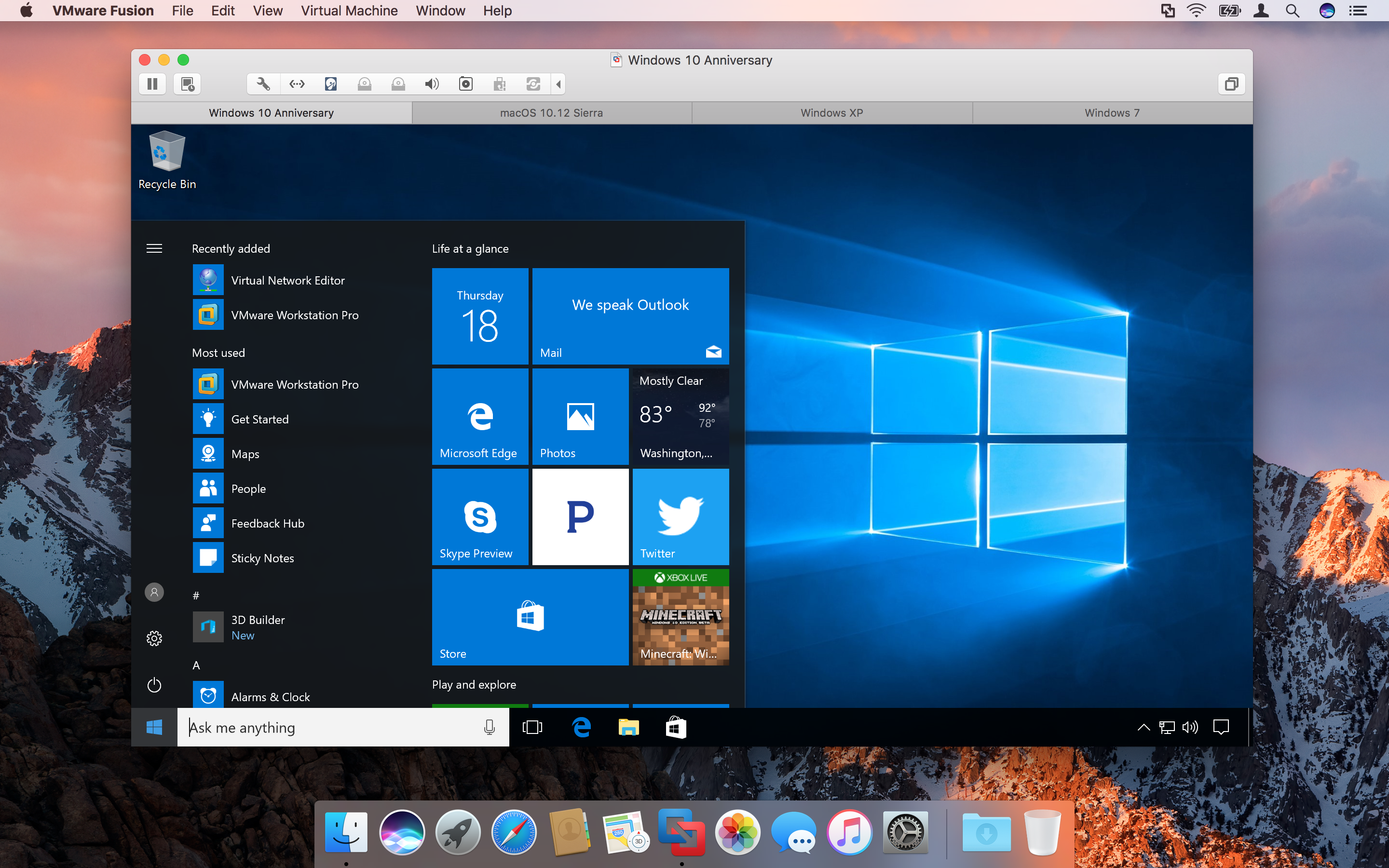
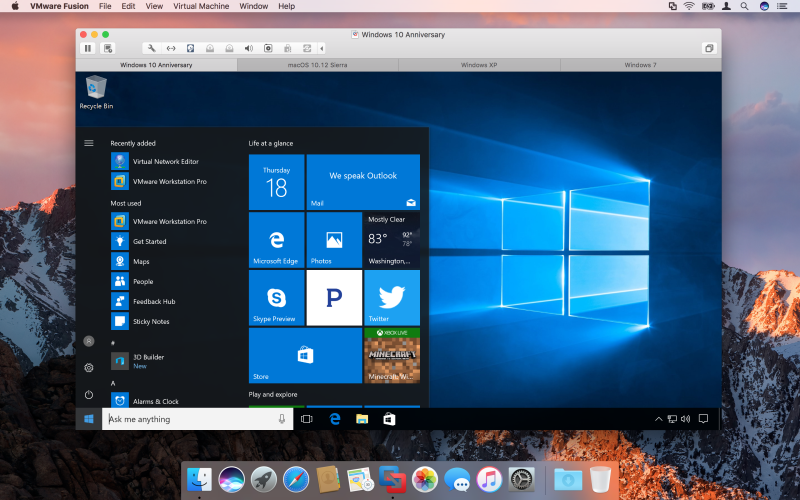
Enlarge / VMware Fusion 8.5 for Mac, with tab support. (credit: VMware)

Today, VMware announced upgrades to its desktop virtualization products for Windows, Mac, and Linux. But this time existing users won't have to pay for the new software.

VMware and its rival Parallels have been charging for upgrades every year, and last year both companies required users to upgrade if they wanted VMWare and Parallels to fully support Windows 10. But none of the operating system changes this year are likely to break anything in last year’s virtualization software. This makes it hard to convince customers that they should pay again.

VMware has heard complaints from customers about the yearly paid upgrades. Customers say, “ah, geez, you’re going to charge me to upgrade every year because you added OS support," according to VMware Product Line Marketing Manager Michael Roy. “We hear that loud and clear,” Roy told Ars.

Read 16 remaining paragraphs | Comments

AT&T’s common carrier status helps it defeat data throttling lawsuit

But AT&T could still face $100 million fine from FCC.

Enlarge (credit: Mike Mozart)

AT&T today won a major victory over the Federal Trade Commission, which was trying to punish AT&T for throttling the Internet connections of customers with unlimited data plans.

The FTC sued AT&T in October 2014, seeking refunds for customers who paid for unlimited data. The FTC said AT&T deceived customers by offering unlimited data plans and then throttling speeds once customers hit certain usage thresholds, such as 3GB or 5GB in a month. In response, AT&T claimed that the FTC had no jurisdiction over AT&T because of the company's status as a common carrier.

This argument was complicated. At the time, AT&T was a common carrier for landline phone and mobile voice service, but not for mobile Internet access. The Federal Communications Commission later reclassified mobile Internet as a common carrier service, which put it under a stricter FCC regime but exempted AT&T from FTC oversight.

Read 7 remaining paragraphs | Comments