Scientists may have found formula for a painless existence

Discovery makes mice pain-free, reverses painlessness in woman with rare condition

Physical pain is a near universal problem, whether its sudden pangs or chronic aches. Yet, researchers’ efforts to quash it completely have fallen short—possibly due to a moonlighting channel in nerve cells. But that may be about to change.

The sodium ion channel, called Nav1.7, helps generate the electrical signals that surge through pain-related nerve cells. It’s known to play a key role in pain, but researchers’ past attempts to power-down its charged activities did little to soothe suffering. In a bit of a shocking twist, researchers figured out why; the channel has a second, un-channel-like function—regulating painkilling molecules called opioid peptides. That revelation, published in Nature Communications, provided researchers with the know-how to reverse painlessness in a woman with a rare condition, plus make mice completely pain free.

The link between Nav1.7 and opioid painkillers is “fascinating,” Claire Gaveriaux-Ruff, a pain researcher and professor at the University of Strasbourg, told Ars. And, she added, “this discovery brings hope to the many patients suffering from pain that are not yet adequately treated with the available pain medications.”

Read 7 remaining paragraphs | Comments

Meat industry ignores FDA, health experts, buys more antibiotics

Amount of medically important drugs sold for use in animals up 23% since 2009.

(credit: Mya2ru/Wikimedia)

Despite recent efforts by health experts, doctors, and the Food and Drug Administration to pull the meat industry away from its heavy use of antimicrobials, livestock producers seem to have dug in their heels.

From 2009 to 2014, the amount of antimicrobials sold and distributed for use in livestock increased by 22 percent, according to an FDA report released Thursday. Of the antimicrobials sold in 2014, 62 percent were related to drugs used in human health, also called medically important. From 2009 to 2014, sale and distribution of medically important antimicrobials used on farms also jumped—an increase of 23 percent.

That brings the 2014 total of antimicrobials sold for US livestock to 15,358,210 kilograms, including 9,475,989 kilograms of medically important drugs, according to the report.

Read 7 remaining paragraphs | Comments
Senate committee fumes over drug price hikes, mocks Turing’s Shkreli

First hearing about effects on patients, ways to thwart price gouging pharma.

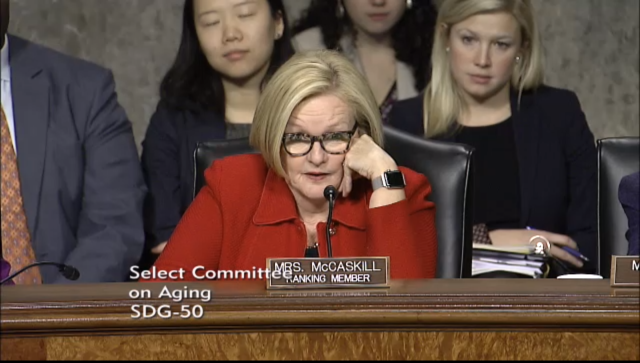
In the first of what will be a series of hearings on sudden price hikes of off-patent drugs, the Senate’s Special Committee on Aging on Wednesday made no attempt to veil their contempt for Turing Pharmaceuticals and its ilk.

“My biggest challenge today, is to not lose my temper,” Sen. Claire McCaskill (D-Mo.), ranking member of the committee, said in her opening statement. “The facts that are underlying this hearing are so egregious that it is hard not to get emotional about it.”

McCaskill went on to openly mock Martin Shkreli, CEO and founder of Turing, for callously raising prices while spending millions to be the sole owner of a Wu-Tang Clan album. (Later in the hearing, she simply referred to Shkreli as “Mr. Wu-Tang.”)

Read 16 remaining paragraphs | Comments

Sponge injection could save the lives of domestic gunshot victims

FDA approves civilian use of syringe-like device designed to plug war wounds.

(credit: RevMedX)

As mass shootings continue to make headlines and gun sales surge nationwide, a sponge-injecting device designed to patch life-threatening bullet wounds in war is making a domestic debut.

The device, called XSTAT 30, acts like a syringe that squirts out 92 tiny, compressed cellulose sponges coated with a blood-sopping absorbent. Together, the sponges can take in about a pint of blood and swell enough to completely fill-in a wound, creating a physical barrier for blood flow. That plugging-power may be enough to prevent life-threatening blood loss as a patient is rushed to an emergency medical facility, according to the Food and Drug Administration.

On Tuesday, the agency approved the use of XSTAT in civilian adults and adolescents.

Read 5 remaining paragraphs | Comments

Cases of ADHD surge in US kids

From 2003 to 2011, prevalence rose by 43% to affect about 1 in 8 youth.

(credit: ND Strupler/Flickr)

Attention Deficit/Hyperactivity Disorder (ADHD), the most commonly diagnosed mental disorder among children in the US, is becoming even more commonly diagnosed, according to a new analysis of nationwide data.

Between 2003 and 2011, prevalence of the disorder in kids aged five to 17 rose from 8.4 percent to 12 percent, a 42.9 percent increase, researchers report. That means that 5.8 million children and young adults—about one in eight—in the US now have the diagnosis. Such a diagnosis identifies recurring hyperactivity and/or inattentiveness that hinders work, play, and school activities. The surge, published Tuesday in the Journal of Clinical Psychiatry, affected kids across different races/ethnicities, socioeconomic statuses, age groups, and genders—although, to varying degrees.

“We aren’t able to get at the driving forces behind the trends,” Sean Cleary, coauthor of the study and professor of epidemiology and biostatistics at George Washington University, told Ars. But, he said, speculation includes greater recognition of the symptoms, as well as over diagnosis. The latter, is of course a concern, Cleary said. But so is under diagnosis, he added. If ADHD is not caught and treated early, symptoms and problems could persist into adulthood, he explained.

Read 5 remaining paragraphs | Comments

Pushy patients downvote doctors for giving antibiotics responsibly

Doctors pressured to give unneeded drugs that spur resistant, deadly infections.

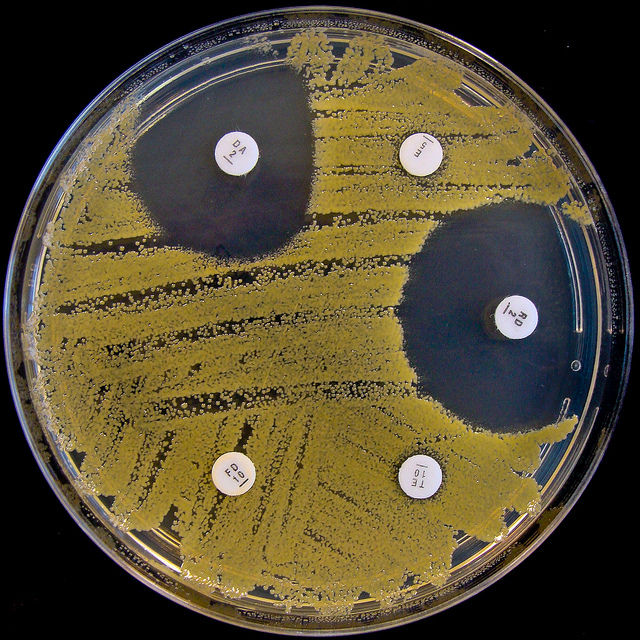
A plate of Staphylococcus aureus bacterial colonies growing amid white, antibiotic-emitting discs. The clear spots indicate that the antibiotic on the disc can kill the bacteria; growth around a disc means the bacteria are resistant to that emitted drug. (credit: Nathan Reading/Flickr)

Antibiotics can kick many ailments, but they don’t fight everything—like anything caused by a virus, such as the flu, and most colds. Taking antibiotics for such problems is not only useless, it’s what helps microbes develop resistance to the drugs, which in turn leads to difficult-to-treat, often-deadly infections.

Yet doctors face a daily dilemma: to be good doctors, they must only prescribe antibiotics when the drugs are needed. But to make patients think they’re good doctors, they must hand out antibiotics freely—at least according to a new nationwide healthcare survey in England.

The survey, which included nearly a million patients and 7,800 practices, found that patients were least satisfied with family doctors who were frugal with antibiotic prescriptions. In fact, the amount of antibiotic prescriptions a practice doled out was a leading predictor of its patient satisfaction ranking. The finding, published in the British Journal of General Practice, suggests that responsible use of antibiotics for the greater good may mean doctors take a hit in their patient popularity.

Read 3 remaining paragraphs | Comments

Penis transplants being planned for wounded veterans

Doctors expect recipients to regain urinary and sexual function.

A group of doctors at Johns Hopkins University in Baltimore are gearing up to offer military men injured in war the country’s first penis transplants. The surgeries could start within a year, and recipients could regain sensation, along with urinary and sexual function, within months, doctors said.

Though it’s unrealistic that they would regain all function, the hope of fathering a child “is a realistic goal,” Dr. W. P. Andrew Lee, the chairman of plastic and reconstructive surgery at Johns Hopkins, told The New York Times. The transplants would only involve the penis, not the testes, so any sired children would be genetically related to recipients.

The group of doctors felt compelled to offer the transplants because of the psychological toll of such injuries, particularly feelings of shame, stigma, and loss of identity. “I think one would agree it is as devastating as anything that our wounded warriors suffer, for a young man to come home in his early 20s with the pelvic area completely destroyed,” Lee said. Another doctor quoted by the Times said that in his experience young veterans would rather lose both legs and an arm than suffer a genital injury.

Read 6 remaining paragraphs | Comments

People are in denial about using devices while walking and being bad at it

Distracted pedestrian injuries rising, but walkers blame others, not themselves

(credit: Don LaVange/Flickr)

‘Keep your eyes on the sidewalk and your hands off the phone’ may become the slogan of safety campaigns of the near future.

Between 2004 and 2010, emergency room visits for injuries involving distracted pedestrians using cellphones doubled, according to a 2013 study. Yet, in a new survey, few American pedestrians said they were the source of the problem. Instead, those surveyed suggested the blame mostly falls on the sidetracked, sidewalk-dwellers around them.

It’s not a problem caused by “others,” Alan Hilibrand an orthopedic surgeon, survey coauthor, and spokesperson for the American Academy of Orthopaedic Surgeons (AAOS), told Ars. “It’s really all of us.”

Read 4 remaining paragraphs | Comments

Flash of a knuckle crack caught on video

Mystery of popping noises lingers, but so far no evidence that it’s harmful.

Only one thing is clear about why knuckles crack, pop, and crunch: there are gas bubbles involved.

Whether the noise comes from the birth or burst of those bubbles has been a source of simmering debate for decades, though. Even with modern techniques and studies, new evidence still hasn’t resolved the issue completely. But the latest data is least intriguing—it shows that there’s a mysterious blast in the knuckle after the popping noise. Take a look:

A pop then a blast. (video link)

Read 9 remaining paragraphs | Comments

Turing’s Martin Shkreli regrets 5,000% price hike—says it wasn’t high enough

CEO of Turing says he was forced to raise price, appease shareholders.

Martin Shkreli being photographed for his role as CIO of MSMB Capital Management. (credit: Getty Images)

In a Healthcare summit hosted by Forbes on Thursday, Martin Shkreli, the founder and CEO of Turing Pharmaceuticals, admitted he made a mistake by raising the price of a decades-old drug by more than 5,000 percent. But it’s not the mistake you might expect.

In response to an audience member who asked him if he would have done anything differently in regard to raising the price of the drug, Daraprim, Shkreli replied, “I probably would have raised the price higher.”

That price hike, which brought a pill of Daraprim from $13.50 to $750 earlier this year, has drawn fiery scorn from the public, media, and lawmakers. Daraprim is a 62-year old drug used to treat toxoplasmosis, a disease caused by a parasitic infection. Toxoplasmosis often strikes people with compromised immune systems, such as AIDS patients.

Read 3 remaining paragraphs | Comments