Don’t hate perky morning people: It might be their DNA’s fault

Researchers tracked down 15 genetic regions that may explain early-risers’ ways.

(credit: bruce_fulton)

The people who burst from bed as the sun rises to cheerily tackle their to-do list—while others sluggishly rouse and fumble with coffee makers—may have a few DNA tweaks in common.

Scanning the genetic blueprints of more than 89,000 people, researchers found that those who self-identify as “morning people” tended to have genetic variations in 15 specific spots in their genome compared with people who prefer to sleep in. Seven of those varied regions were in the DNA-neighborhoods of genes involved in circadian rhythms, aka daily physiological cycles, the authors reported in Nature Communications. For the remaining eight locations, researchers were a little foggy on a possible link to sleeping schedules and will need to do further research.

Though previous studies have hinted at a genetic basis for the difference between early birds and night owls, the new study offers the biggest genetic analysis to-date that backs up the DNA-based explanation. The genetic information was harvested from customers of 23andMe, a personal genetics company that offers direct-to-consumer DNA sequencing.

Read 3 remaining paragraphs | Comments
Zika is now officially an STI in the US

Texas reports sexual transmission of the virus that is alarming health experts.

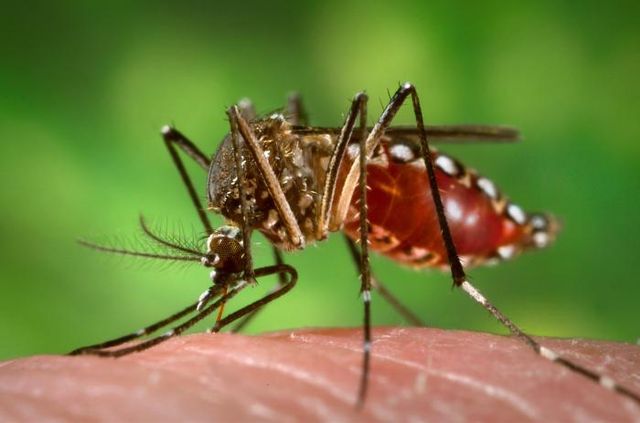
Female Aedes aegypti mosquito as she was in the process of obtaining a "blood meal" (credit: US Department of Health and Human Services)

Zika, the mosquito-spread virus sparking outbreaks across the Western Hemisphere and suspected of causing birth defects and neurological problems, has been transmitted through sexual contact in the United States, the Dallas County Health and Human Services (DCHHS) reported Tuesday.

A patient was infected via sexual contact with a person who had recently traveled to Venezuela, a country currently experiencing a Zika outbreak, the health department said. The Centers for Disease Control and Prevention confirmed the sexual transmission. There is still no evidence that Zika is spreading in US mosquito populations.

“Now that we know Zika virus can be transmitted through sex, this increases our awareness campaign in educating the public about protecting themselves and others,” Zachary Thompson, DCHHS director, said in a press release.

Read 7 remaining paragraphs | Comments
Birth of a microbiome: Researchers smear babies with vaginal fluid

C-section newborns slathered with moms’ secretions may dodge lifelong health problems.

(credit: f1uffster (Jeanie))

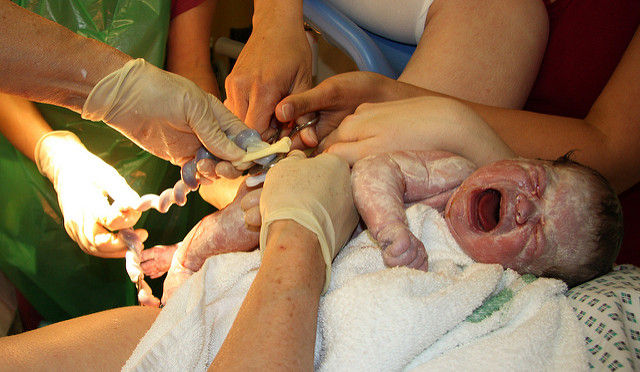
Birth, like life, is messy. But, while life’s messes often harm health, the untidiness of our entrance into the world may profoundly protect it—at least that’s a leading hypothesis among microbiome researchers.

Microbes picked up from mom while in or exiting the womb kick off humans’ lifelong association with the invisible critters that live in and on us and affect our health. In cases where that microbial colonization of a newborn goes awry, researchers have noted links to chronic health problems, such as asthma, obesity, allergies, and immune deficiencies. Researchers have also found that such a microbial debacle is often brought on by Cesarean delivery (C-section), which is a common surgical procedure to birth a baby through the mother’s abdomen rather than the normal shove down the birth canal.

To reverse the potential ill-fate of C-section babies, researchers smeared surgically delivered babies with the vaginal fluids from their mothers in the moments just after birth. After tracking the babies and their microbiomes for a month, the researchers report Monday in Nature Medicine that the quick slather partly restored normal microbiome development.

Read 9 remaining paragraphs | Comments
WHO declares international public health emergency over Zika outbreaks

In Monday meeting, experts called for coordinated boost in surveillance and vaccine.

Female Aedes aegypti mosquito as she was in the process of obtaining a "blood meal" (credit: US Department of Health and Human Services)

The mosquito-spread Zika virus linked to a spike in birth defects and neurological syndromes is a public health emergency of international concern, the World Health Organization declared Monday.

The declaration followed an emergency meeting in Geneva, in which health experts from around the world reviewed the data on the outbreak blazing through South and Central Americas. In some areas, infection with the Zika virus has been associated with a paralyzing neurological condition, known as Guillain-Barré syndrome, and microcephaly, in which babies are born with severely shrunken and deformed heads and brains.

In Brazil, which reported its first case of Zika last May, the virus has infected an estimated million people and been linked to a 20-fold increase in microcephaly cases. Since the outbreak began, health officials there have reported around 4,000 confirmed and suspected cases of microcephaly, compared to just 147 in 2014.

Read 5 remaining paragraphs | Comments

The science behind a good cup of coffee

Here’s the data behind making a healthy, flavorful cup of joe—from beans to brew

(credit: Amanda)

Coffee is one of the most popular drinks worldwide, with countless cups of the dark, alluring elixir brewed up each day. And, lucky for those coffee-guzzlers out there, mounting data suggest it’s good for you; moderate coffee drinking has been linked to lowered risk of cardiovascular disease, liver diseases, diabetes, and an overall lowered risk of dying too soon.

But, as coffee-lovers happily continue sipping their morning fix with a dash of self-satisfaction, it’s worth noting that not every cup of coffee is equal. Brewed coffee can vary wildly in its flavor and chemical make-up, particularly the chemicals linked to health benefits. Everything that happens before the pour—from the bean selection, roast, grind, water, and brew method—can affect the taste and quality of a cup of joe.

So far, there’s little to no data on the health impact of drinking one type of coffee over another. In studies linking coffee to lowered risks of disease and death, researchers mostly clumped all coffee types together, even decaffeinated coffee, in some cases. But, there is a fair amount of data on individual components of coffee that are flavorful and beneficial—and how to squeeze as much them as possible into your mug. Here’s what the science says:

Read 21 remaining paragraphs | Comments

Zika: Here’s what we know about the virus alarming health experts worldwide

Despite a long history, Zika remains an enigmatic, emerging infectious disease.

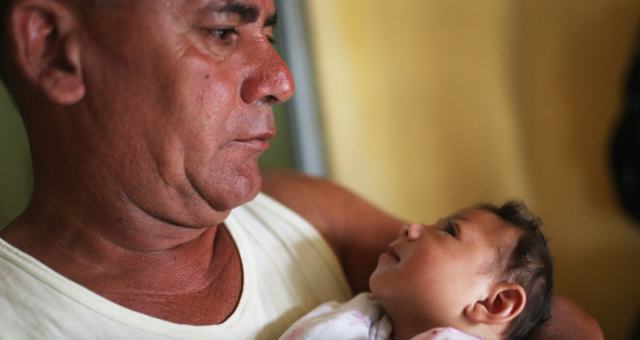
Alice Vitoria Gomes Bezerra, a three-month-old who has microcephaly, is held by her father Joao Batista Bezerra on January 27, 2016 in Recife, Brazil. (Mario Tama for Getty Images) (credit: Mario Tama for Getty Images)

Over the past several months, talk of a little-known virus went from nervous murmurs in the infectious disease community to piercing front-page headlines all over the world. The virus, Zika, quietly slips into its victims during otherwise mundane mosquito bites. Today it's sickening millions as it charges into new territory in the Western Hemisphere.

In its wake, researchers have reported puzzling upticks of a condition that causes full-body paralysis and, in Brazil, a dismaying 20-fold spike in babies born with shrunken heads. Health agencies are now advising travelers to scrap visits to more than 20 beleaguered countries and territories. In the hardest-hit regions, experts are telling women to avoid having children. And the infectious disease community is clamoring for an international effort to stifle the virus, which is “spreading explosively,” according to a Thursday statement by the director of the World Health Organization.

Not even 10 years ago, Zika was a humdrum germ. Researchers originally plucked it from a Ugandan forest in the late 1940s and quickly shelved it. It appeared to rarely cause disease in people, and, when it did, it produced mild symptoms like an unremarkable fever, aches, and a rash. Back then, it was a prosaic malady that blended into Africa’s viral landscape, one already crowded with dengue, chikungunya, and yellow fever.

Read 35 remaining paragraphs | Comments

For new wearable, monitoring health at the molecular level is no sweat

By wicking up perspiration, device tracks multiple molecules in real time.

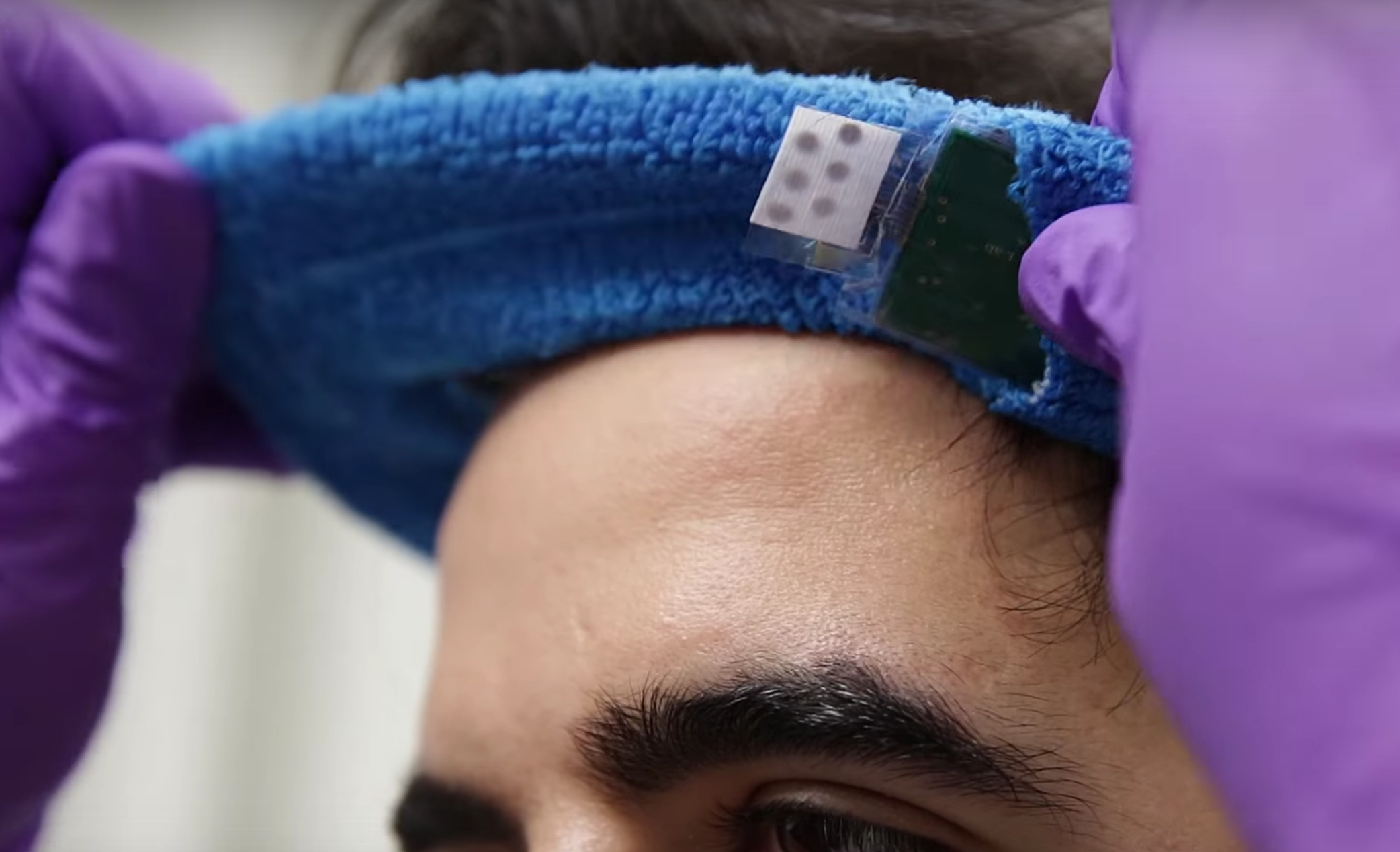
To get a detailed work up on your health, soon all you might have to do is work up a little sweat. A new wearable device that soaks in tiny volumes of perspiration from your brow or wrist can track multiple molecules leaking out of you in real-time, researchers report in Nature. The device could one day provide up-to-the-moment health reports, helping to spot conditions such as dehydration, chemical exposures, muscle fatigue, and chronic stress, and help manage diseases, such as diabetes, the authors suggest.

“Sweat is very rich in information about an individual’s health,” lead author of the study Ali Javey, of University of California, Berkeley, told Ars. “It has a lot of different chemicals in it, different proteins, different metabolites, electrolytes,” he said. And by monitoring the concentration of some of those chemicals in beads of sweat, researchers can glean useful health information.

For their first generation of sweat-scanning wearables, Javey and colleagues set up an array of off-the-shelf sensors that track sodium, potassium, glucose, lactate, and temperature. Monitoring electrolytes such as sodium and potassium may help track conditions like dehydration, Javey said. Lactate levels may be useful for tracking muscle fatigue, and glucose may help monitor blood sugar levels.

Read 9 remaining paragraphs | Comments

The gunk on your teeth is beautiful and well organized

With genetics and imaging, researchers catch colorful complexity of dental plaque.

Are you ready for a close-up—a really, really close close-up? The microbes in your mouth probably are and, boy, are they looking fabulous.

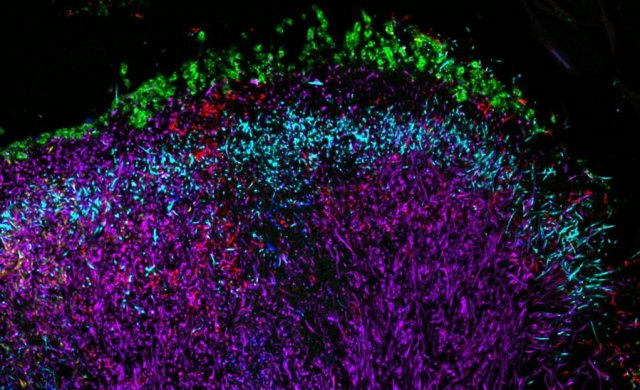
Using genetic and fluorescent probes, researchers lit up the ornate structures of microbes that glom onto human teeth. The resulting images and analysis, published in the Proceedings of the National Academy of Sciences, reveal that mouth-dwelling microbes don’t just amass in haphazard globs on the outside of unclean teeth. Instead, the microbes build consistent structures that organize inhabitants into areas where they perform specific functions. The unexpected finding suggests that teeth tenants set up highly ordered and collaborative ecosystems on human choppers.

Those structured ecosystems expose “unanticipated interactions and provides a framework for understanding the organization, metabolism, and systems biology of the microbiome and ultimately, its effect on the health of the human host,” the authors of the study report.

Read 6 remaining paragraphs | Comments

First monkeys engineered to have autism-like symptoms raise hope, caution

Animals could help disease research, but scientists wary of extrapolating to humans.

(credit: Nir Sinay)

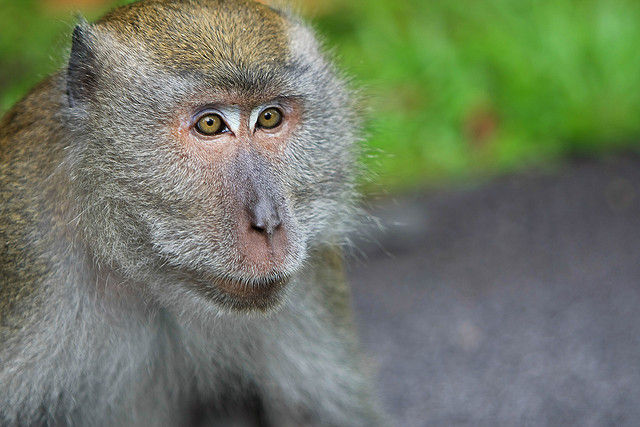
Monkeys with a human gene turned on in their brains displayed behaviors similar to those seen in some people with autism, researchers reported Monday in Nature. The monkeys avoided social interactions, were overly anxious, and performed repetitive movements, namely obsessively running in circles.

The genetically engineered animals are the first non-human primate to model autism-like behaviors. The researchers behind the modified monkeys are hopeful that the new animal model could be used to develop treatments for the symptoms of autism. But, with the complexity of the disease in humans and the simplicity of the similar behaviors observed in the monkeys, some researchers are leery about how useful the animals will be in autism research.

In humans, autism spectrum disorder has a wide range of symptoms, which collectively may involve hundreds of genes as well as environmental factors. The monkeys, on the other hand, are engineered to mimic a rare autism-like disorder caused by having multiple copies of a single gene called MeCP2. Mutations in this gene are also linked to another neurodevelopmental disorder that has overlapping symptoms with autism, called Rett syndrome.

Read 4 remaining paragraphs | Comments

Federal Trade Commission now probing Turing’s notorious drug pricing

Lawyers for former CEO, Shkreli, cite probe as reason he’ll invoke 5th to Congress.

Turing Pharmaceutical’s dramatic and rage-inducing decision to jack up the price of a life-saving drug, Daraprim, by more than 5,000 percent is now under investigation by the Federal Trade Commission, according to a lawyer for the pharmaceutical company’s now former CEO, Martin Shkreli.

Shkreli’s lawyer, Baruch Weiss, disclosed the FTC investigation in a letter to the US House of Representatives' Committee on Oversight and Government Reform, which had subpoenaed Shkreli to appear in a January 26 hearing to discuss the same price hike. Weiss cited the FTC probe as the reason that Shkreli would refuse to answer the committee’s questions, invoking his Fifth Amendment right not to incriminate himself, according to Reuters, who broke the story and saw the letter.

In the letter, Weiss wrote that Shkreli would "gladly cooperate" with the House committee if it granted Shkreli immunity. However, such immunity, if granted, would unlikely be granted in time for next Tuesday’s hearing.

Read 6 remaining paragraphs | Comments