EpiPen maker Mylan may have used illegal deals with schools to price gouge

New York attorney general opens investigation on anti-competitive practices.

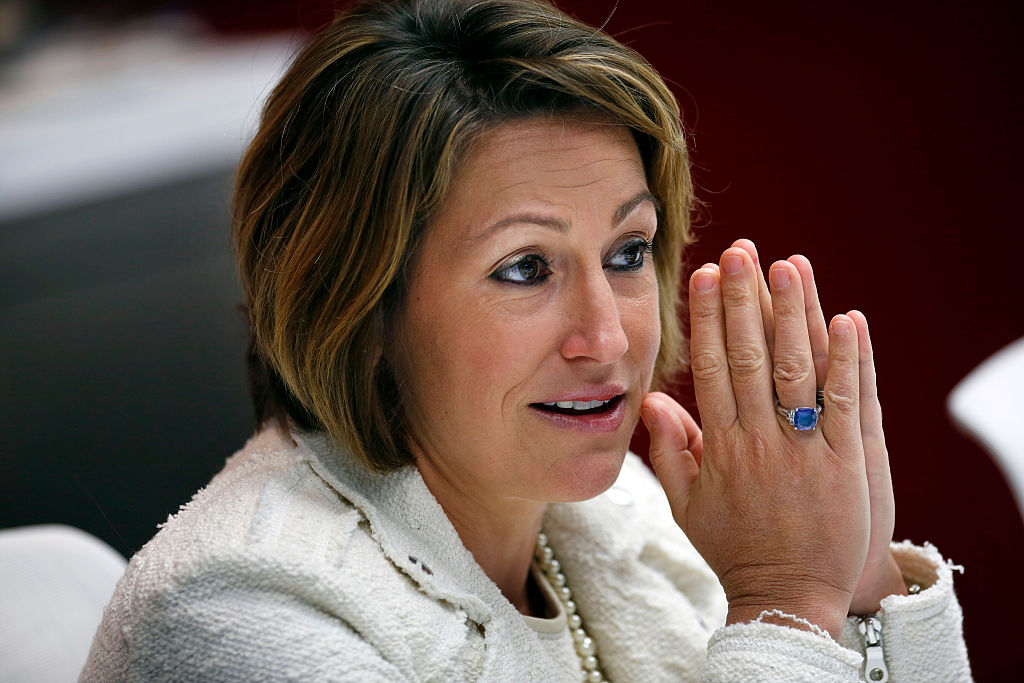
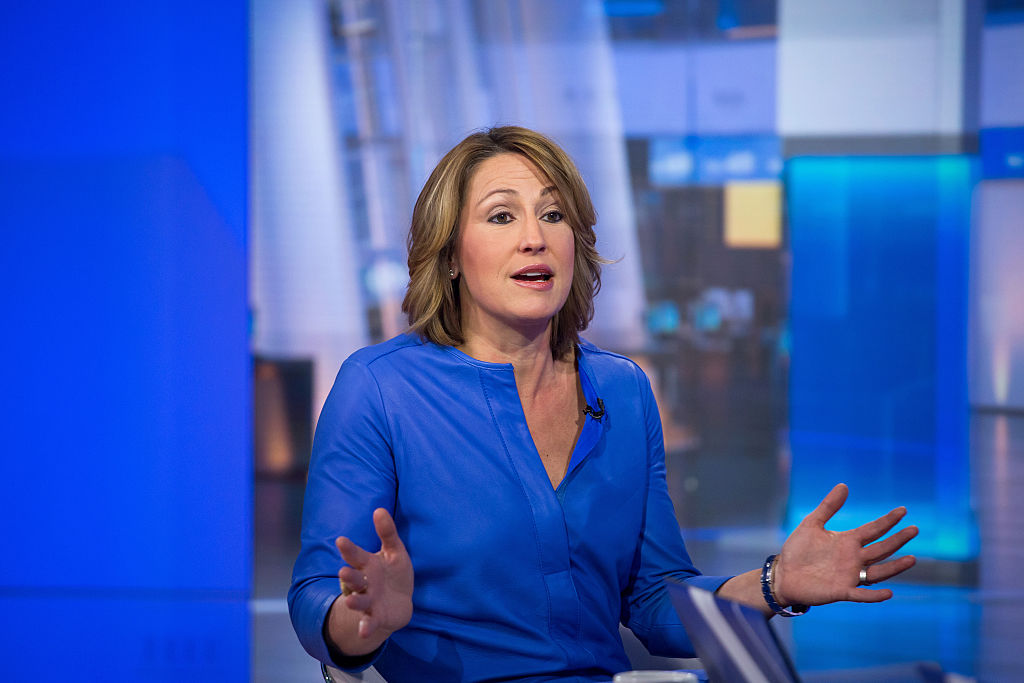
Enlarge / Heather Bresch, chief executive officer of drugmaker Mylan Inc. (credit: Getty | Bloomberg)

On Tuesday, New York Attorney General Eric Schneiderman announced that his office is investigating Mylan Pharmaceuticals Inc, the maker of EpiPen, for potentially using anticompetitive terms in contracts it had with many school systems. Those terms allowed schools to receive Mylan’s EpiPens for free or at discounted prices—as long as they didn’t buy any competitors' products for a year.

The terms may have helped Mylan hike the price of the life-saving medical devices without facing stiff competition from similar epinephrine-injecting products, such as Adrenaclick. Since 2007, the year Mylan acquired EpiPen, the company has raised the price of the pens by more than 400 percent, pushing the list price above $600 (~£446) and drawing sharp public and political criticism.

“No child’s life should be put at risk because a parent, school, or healthcare provider cannot afford a simple, life-saving device because of a drug-maker’s anti-competitive practices,” Schneiderman said in a news release. “If Mylan engaged in anti-competitive business practices, or violated antitrust laws with the intent and effect of limiting lower cost competition, we will hold them accountable.”

Read 4 remaining paragraphs | Comments
New opioid douses pain without being addictive or deadly in primates

In monkeys, the drug is a highly effective pain reliever without downsides.

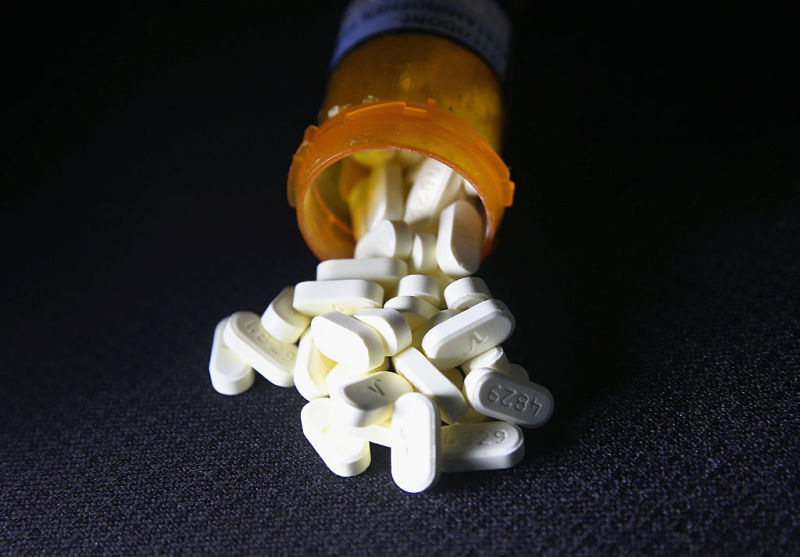
Enlarge (credit: Getty | John Moore)

While the opioid epidemic continues kill more than 40 American every day, researchers and health experts are frantically searching for ways to curtail use of the highly addictive, pain-quenching drugs. In March, the Centers for Disease Control and Prevention even released new guidelines directing doctors to simply refrain from prescribing opioids. But if a new study holds up, the health agency may be able to reverse course.

According to a report in the Proceedings of the National Academy of Sciences, an opioid drug referred to as BU08028 was able to alleviate pain in a dozen monkeys just as well as other opioid painkillers, such as morphine. Yet, unlike every other opioid drug, BU08028 showed no signs of being addictive. Even at high dose—at which other opioid drugs inhibit the respiratory and cardiovascular system, which can be fatal—BU08028 was harmless.

"Based on our research, this compound has almost zero abuse potential and provides safe and effective pain relief," Mei-Chuan Ko, a professor of physiology and pharmacology at Wake Forest Baptist Medical Center and lead author of the study, said in a statement. "This is a breakthrough for opioid medicinal chemistry that we hope in the future will translate into new and safer, non-addictive pain medications."

Read 5 remaining paragraphs | Comments

FDA bans antibacterial soaps; “No scientific evidence” they’re safe, effective

Ban includes soaps with any of 19 chemicals, including triclosan.

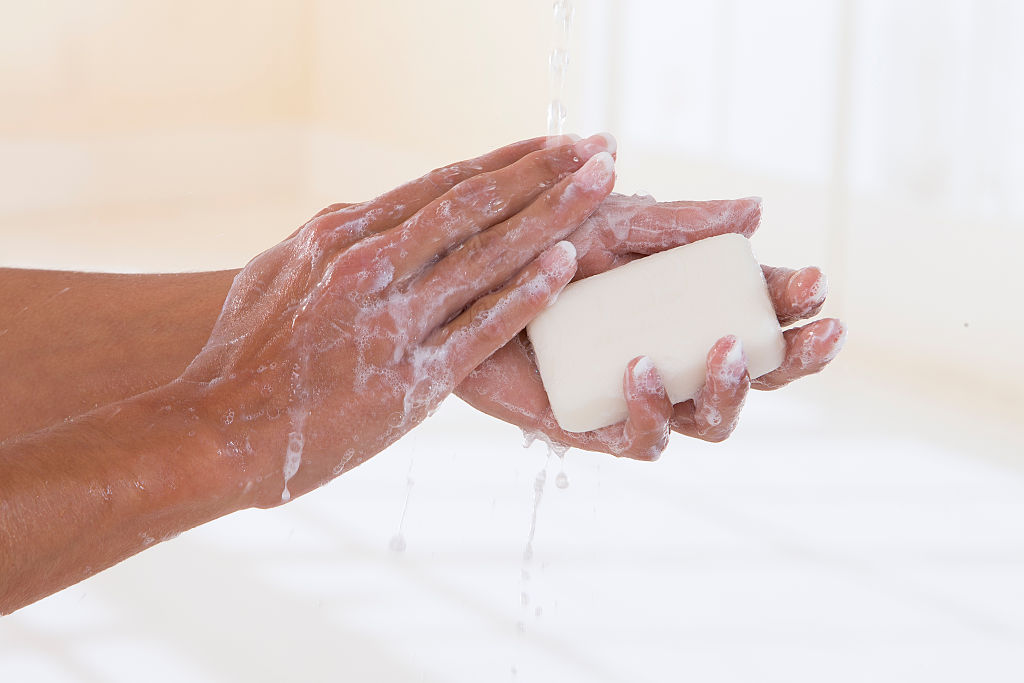
Enlarge (credit: Getty | BSIP)

In a final ruling announced Friday, the Food and Drug Administration is pulling from the market a wide range of antimicrobial soaps after manufacturers failed to show that the soaps are both safe and more effective than plain soap. The federal flushing applies to any hand soap or antiseptic wash product that has one or more of 19 specific chemicals in them, including the common triclosan (found in antibacterial hand soap) and triclocarbon (found in bar soaps). Manufacturers will have one year to either reformulate their products or pull them from the market entirely.

As Ars has reported previously, scientists have found that triclosan and other antimicrobial soaps have little benefit to consumers and may actually pose risks. These include bolstering antibiotic resistant microbes, giving opportunistic pathogens a leg up, and disrupting microbiomes. In its final ruling, issued Friday, the FDA seemed to agree. “Consumers may think antibacterial washes are more effective at preventing the spread of germs, but we have no scientific evidence that they are any better than plain soap and water,” Janet Woodcock, director of the FDA’s Center for Drug Evaluation and Research (CDER), said in a statement. “In fact, some data suggests that antibacterial ingredients may do more harm than good over the long-term.”

Back in 2013, the FDA first proposed the ban and called on soap manufacturers to submit data that would show that their products were both harmless and could out compete plain soap in de-germing humans. The agency reports that manufacturers either didn’t bother submitting data or offered up data that wasn’t convincing. In the meantime, many manufacturers have already started phasing out triclosan and other antimicrobial compounds from their products.

Read 2 remaining paragraphs | Comments

Researchers cautiously optimistic about new brain-clearing Alzheimer’s drug

Drug breaks down brain plaques—but it’s not the first with promising early data.

Enlarge (credit: Getty | Brian B. Bettencourt )

A new Alzheimer’s disease drug may be able to clear away goopy piles of toxic proteins in patients' brains—hallmarks of the progressive disorder. The drug is an antibody directed at the proteins themselves, and the promising results come from a small, phase I safety trial.

To date, no other drug has shown this much brain-clearing power. If the results hold up in larger trials, the drug has the potential to prevent or even reverse the progression of the disease. But researchers caution that excitement should be tempered; it's far too early to decipher the drug’s true potential. Similar antibody-based drugs have given promising results in early trials but went on to fail spectacularly in larger studies—in some cases even causing death.

“I am cautiously optimistic about this treatment, but trying not to get too excited,” Tara Spires-Jones, interim director of the Centre for Cognitive and Neural Systems at the University of Edinburgh, said in a media statement. “This was a small phase I study with 20-30 people in each treatment group. We will have to wait and see whether the promising results reported here are repeated in the larger phase III trials of this drug that are currently underway worldwide.”

Read 10 remaining paragraphs | Comments

Theranos reboot stalls as new test fails FDA standards—which were low

Company is fighting to regain clinical testing as device manufacturing plan stumbles.

Enlarge (credit: Theranos)

Theranos has withdrawn its application to the Food and Drug Administration for an emergency clearance of a new diagnostic blood test for Zika virus infections, according to the Wall Street Journal. The FDA’s emergency clearance process, used in times of extraordinary medical need, such as the current Zika outbreaks, is a lower regulatory hurdle than normal for new medical products.

The Zika test would have been carried out on Theranos' new MiniLab device; both were unveiled August 1 at a conference of the American Association for Clinical Chemistry. However, during a subsequent lab inspection, the FDA found that the company had collected some of the data on its Zika test prior to having patient-safety protocols in place. Theranos informed investors that it “recognized” the problem during the inspection and decided to withdraw its application.

The move is yet another stumble for the company, which appears to be trying to rebrand itself as a device manufacturer after federal regulators handed down heavy sanctions for safety issues in its clinical diagnostic work.

Read 6 remaining paragraphs | Comments

Needy robot babies may make teens more likely to have real babies

Infant simulators didn’t curb teen pregnancy and may promote early parenthood.

Enlarge / A virtual baby identical to those used in the study (credit: Australian Science Media Centre)

Babies can be a drag. Their utter helplessness and disappointing lack of communication skills often leaves new parents sleep-deprived and playing frantic guessing games amid ear-piercing cries (mostly from the baby). Such exhausting pains of parenthood should be enough to deter any unprepared teen from getting frisky too early—or so the makers of an infant simulator called “Baby Think It Over” seemed to think. But those makers may have their own reconsidering to do.

The life-like dolls are needy and a bit creepy to boot, but completely lousy at deterring teens from getting pregnant, according to the first randomized, controlled trial on the popular sex education tool. In fact, the study, involving more than 2,800 Australian girls between the ages of 13 and 15, actually hinted that the dolls may increase the risk of teen pregnancy.

Of the 1,267 teens that had to care for, burp, change, and feed the robot babies over a weekend, 17 percent (or 210 girls) had at least one pregnancy by the age of 20. That’s a slight jump from pregnancy rate of the 1,567 girls in the control group, who received a standard school curriculum on sex education and parenting. Their pregnancy rate was just 11 percent (or 168 girls).

Read 6 remaining paragraphs | Comments

EpiPen maker Mylan reveals generic—it’s only triple the price

Offering generic but no price cut may keep profits up while quelling outcry.

Enlarge / Heather Bresch, chief executive officer of Mylan. (credit: Getty | Bloomberg)

Facing public and political wrath for steep price hikes on life-saving EpiPens, the devices’ manufacturer, Mylan, announced Monday that it will offer a cheap generic. But the generic isn’t that cheap.

Since Mylan bought EpiPens in 2007, the company has increased the price from around $50 for a single pen to a little more than $600 for a two pack—a more than 400 percent increase in costs. The new generic option, which the company said will be identical to EpiPens and available in a few weeks, is a two-pack with a list price of $300. That’s half of the current list price for a two pack, but still triple the 2007 cost of the devices.

EpiPens—auto-injectors that deliver a dose of epinephrine to reverse deadly allergic reactions, namely anaphylaxis shock—cost just a few dollars to make and have not changed considerably since Mylan acquired them. Since the price hikes, Mylan has raked in more than $1 billion in revenue each year. The company's chief executive, Heather Bresch, saw her salary increase by more than 600 percent, topping $18 million last year. She’s one of the highest paid executives in the industry.

Read 4 remaining paragraphs | Comments
Mylan CEO “frustrated” by own price gouging but doesn’t lower EpiPen price

Company expands consumer discounts, leaves boosted list price.

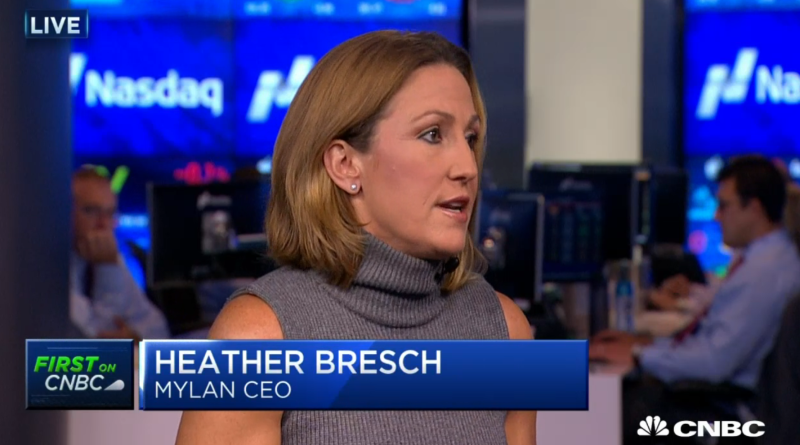
Enlarge (credit: CNBC)

With rage surging over claims of price gouging, EpiPen manufacturer Mylan took a page from Turing’s playbook today. CEO Heather Bresch told CNBC that the company is taking “immediate action” to make the life-saving auto-injectors available to any patients that need one. The company will expand discounts and eligibility of its customer assistance program.

However, Mylan gave no sign that it will lower the EpiPen’s list price, which the company has hiked up more than 400 percent in recent years. Though an EpiPen only costs a few dollars to make and can reverse deadly allergic reactions, they now can cost more than $600.

Bresch, seen as the mastermind of the price hike and currently one of the highest paid executives in the industry, tried instead to shift the conversation to problems in the American healthcare system.

Read 5 remaining paragraphs | Comments

McDonald’s recalls Happy Meal fitness trackers after they injure kids

Fast food company recalls millions of wristband toys amid reports of blistering.

Enlarge (credit: McDonald's)

McDonald’s food isn't exactly the healthiest choice for kids—and apparently the same can be said of the restaurant’s fitness trackers.

The wristband toys given away in the fast food chain’s signature Happy Meals were intended to help get kids moving. Instead, the toys have gotten company officials racing to issue a recall after the devices were found to burn and irritate kids’ skin. So far, there have been 70 reports of injuries from the colorful gadgets, including seven reports of blistering burns.

On Tuesday, McDonald’s issued a voluntary recall of millions of its “Step It” fitness trackers.

Read 7 remaining paragraphs | Comments

Rage mounts against pharma corp. that jacked cost of life-saving EpiPen by 400%

Even infamous Martin Shkreli called price-hiking drug makers “vultures.”

(credit: Phillip Bradshaw)

When someone like Martin Shkreli fingers your company as greedy “vultures,” you know you’ve got problems.

For pharmaceutical company Mylan, which hiked the price of life-saving EpiPens by 400 percent since it bought the product in 2007, Shkreli’s is just one of the voices in a chorus of scorn now facing the company.

On Wednesday, presidential candidate Hillary Clinton and the American Medical Association (AMA) separately called on Mylan to lower the cost of the auto-injecting pens, which reverse deadly allergic reactions. Also Wednesday, Bernie Sanders (I-Vt.) took to Facebook to declare “Mylan’s greed is apparently limitless.” The rebukes follow a steady stream of other Congress members who have questioned and expressed concern over the price increase.

Read 5 remaining paragraphs | Comments