Dealmaster: Get a redesigned Dell Inspiron 3650 desktop for $579

Plus discounts on E3 preorders for Amazon Prime members and more.

Greetings, Arsians! Courtesy of our partners at TechBargains, we have a ton of new deals today. Of note is this steal of a deal on a redesigned Dell desktop: you can now get the Dell Inspiron 3650 desktop—complete with a Core i7 Skylake processor, 16GB of RAM, and an AMD R9 360 discrete graphics card—for just $579. Dell has revamped this PC with modern design cues from its XPS line, and it's built to take up 45 percent less space than the original. This is one of the best prices on a Skylake-equipped desktop we've seen, so grab it while you can.

Check out the rest of the deals we have, including discounts on new E3 releases and more.

Featured

Read 5 remaining paragraphs | Comments
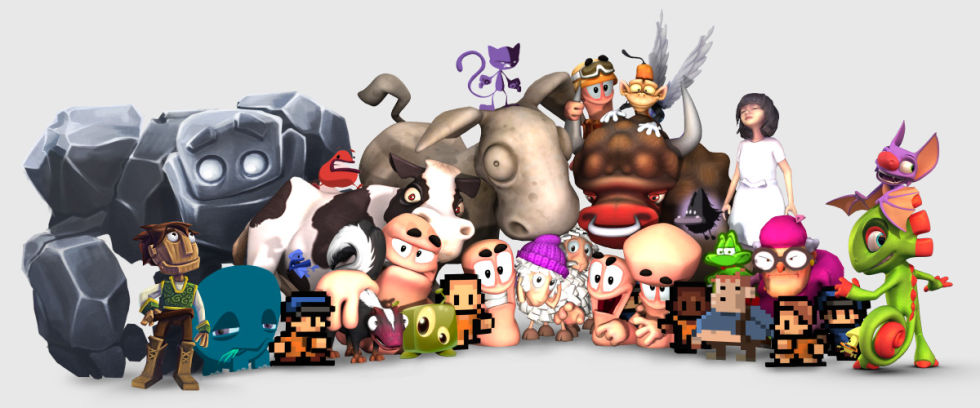
Worms or bust: The story of Britain’s most tenacious indie games company

25 years after its Amiga debut, Team17 soldiers on with Worms and indie publishing.

By the end of the 1980s, the story of the video game industry had become a Homeric epic. There was the rise and fall of Atari, the American company that defined both the art and commerce of video game development, placing games consoles in millions of homes and striking multi-million dollar deals with Hollywood before a market collapse saw the beleaguered company's games and machines literally buried in sand.

There was the Eastern saviour Nintendo, the century-old playing card manufacturer whose bright-eyed employee, Shigeru Miyamoto, designed games of such striking quality that they brought the industry back from the brink of oblivion. In the UK, a gaggle of nerdy young men, including David Braben, Peter Molyneux, Archer Maclean, and Jeff Minter, found fame by using the computer games they programmed in their bedrooms to escape Britain's troubles both at home (industrial strikes, economic shudders) and abroad (IRA bombings, war in the Falklands).

By 1990 things had begun to stabilise. The British games scene became defined by regional publisher-developers that operated out of computer shops or remote business parks. They burned games onto discs and cassette tapes before selling them from newsagents and computer stores. 17-Bit Software was one such outfit, based in a cramped office above an amusement park in Wakefield, West Yorkshire. A local entrepreneur, Michael Robinson, who also ran a popular chain of computer retail shops called Microbyte, started the company. His idea was simple yet ingenious: find the next generation of talented young game developers, sign their games the same way record labels sign bands, and sell their games through Microbyte stores.

Read 32 remaining paragraphs | Comments

Dealmaster: Get a Dell Inspiron 15 7559 for $749.99, and more

Save about $150 on this sweet Dell laptop.

Greetings, Arsians! Courtesy of our partners at TechBargains, the Dealmaster is here with some sweet deals to help pass the time until the weekend gets here. The top item this week is a Dell Inspiron 15 7559. This laptop has a 3.5GHz Intel Core i7-6700HQ, 8GB of RAM, a 1TB 5400RPM Hybrid hard drive, a GeForce GTX 960M with 4GB of video memory, and a 15.6-inch 1080p display. Forget the regular $899.99 price—you can have it for just $749.99.

We've got the laptop and many more deals below.

Laptop & Desktop Computers

Read 3 remaining paragraphs | Comments

Dealmaster: Get a Dell Vostro 3900 desktop with Core i5 for only $329

And other deals on laptops, smart TVs, and more.

Greetings, Arsians! Courtesy of our partners at TechBargains, we have a bunch of great deals to share. One of the featured deals won't last long—now you can get a Dell Vostro 3900 desktop with an Intel Core i5 processor for just $329. This mini tower, originally priced at $479, is equipped with Windows 7, Intel HD Graphics, and a 500GB hard drive. That price is the lowest we've ever seen, so get it while it lasts.

Check out the rest of the deals below, too.

Featured

Read 6 remaining paragraphs | Comments

White hat demonstrates how Better Business Bureau’s site leaked PII

Consumer group complains over “unauthorised test,” but won’t take it further.

A provocative white hat hacker who has previously disclosed vulnerabilities in both California’s ObamaCare portal and FireEye's core security product has now revealed a serious flaw in the Council of Better Business Bureau’s (CBBB) Web-based complaints application, which is used by nearly a million people annually to file complaints against businesses.

The CBBB criticized the “unauthorized application vulnerability test” but said in a statement that they believe “the motivation was not malicious," and are "not pursuing the matter further."

The CBBB is the umbrella organization for the independent local BBBs, the not-for-profit consumer advocacy groups that operate in the United States, Canada, and Mexico. The BBBs attempt to mediate disputes between consumers and businesses, and also accredit businesses based on how well the business meets the BBB’s “Standards of Trust.”

Read 20 remaining paragraphs | Comments

Crime Scene Live review: Be a CSI at London’s Natural History Museum

There’s been a muuurder! And only you (well, and 29 other people) can help solve it.

Crime Scene Live is an ongoing series of events, usually once per month, at the Natural History Museum in London. It's a very popular event and tickets sell out months in advance.

I always knew there had to be a dark side to the seemingly sedate Natural History Museum, and lo and behold I recently received an ominous e-mail. There’s been a murder in a shed behind the museum, I'm told. My first thought is it might be one of the screaming children you often see outside the Dinostore, miserably whining about the size of their snuggler. But on closer inspection this murder was committed last year, and the case is now being reopened due to some gruesome new evidence.

I feel well prepared for my job as a trainee crime scene investigator (CSI) having binge watched Making a Murderer recently. I don my full SOCO (scene of crime officer) suit and—with cider in one hand, notepad in the other—I pay close attention to the initial briefing. Event organizer Lucy Minshall fills me in (along with 100 other novices) on some mysterious disappearances that have happened amongst the museum staff. Chillingly, we ponder whether the skeleton in the shed could be one of them.

Read 15 remaining paragraphs | Comments

Hobbit, Batman, Archer, Star Wars—the many faces of Love Letter

An overview of the card game—and its many variants.

The original Love Letter in all its glory.

Welcome to Ars Cardboard, our weekend look at tabletop games! Check out our complete board gaming coverage right here—and let us know what you think.

Released in 2012 by AEG, Love Letter—a card game designed by Seiji Kanai—is set the fictional realm of Tempest where players attempt to woo Princess Annette by… sneaking love letters into the palace and into her hand. (I know... and there's even a wedding edition. But it's still good!)

This fiction gives way to a game of bluffing and deduction that moves incredibly fast and has a surprising layer of strategy within its small deck of 16 cards. The cards fit inside a small felt carrying bag along with wooden “tokens of affection” to keep track of your score; win a round, win a token. For 2-4 players, Love Letter has become an instant classic, yielding numerous variants—three of which discussed below—and homemade knockoffs as well.

Read 17 remaining paragraphs | Comments

Google’s fair use victory is good for open source

Op-ed: No, Google’s win won’t gut the GPL.

(credit: Ron Amadeo)

Pamela Samuelson is a longtime professor of IP and cyberlaw at the University of California-Berkeley, and she also chairs the board of the Authors Alliance. Her views do not necessarily represent those of Ars Technica, and they've been republished here with her permission.

Oracle and Google have been fighting for six years about whether Google infringed copyright by its use of 37 of the 166 packages that constitute the Java API in the Android software platform for smart phones. Last week, Google won a jury trial verdict that its reuse of the Java API elements was fair use.

Let me first explain the main facts and claims in the lawsuit, and then why Google's fair use victory is a good thing not only for Google but also for open source developers, for software developers more generally, and for the public.

Read 9 remaining paragraphs | Comments
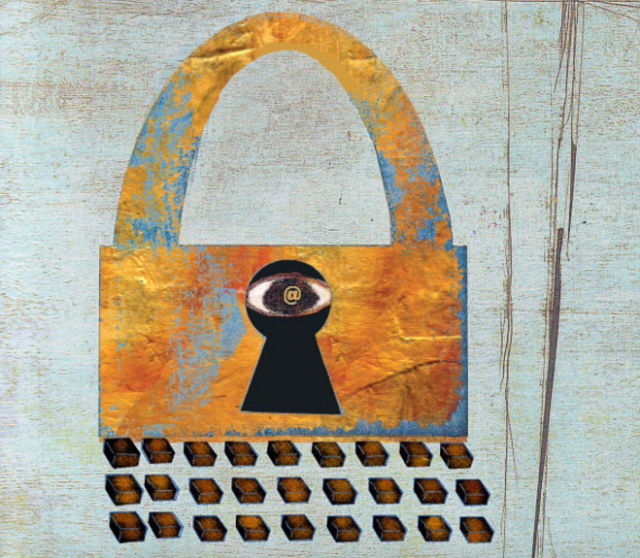
The impossible task of creating a “Best VPNs” list today

Our writer set out to make a list of reliable VPNs; turns out the task is complicated.

At the local cafe, hackers can get a cup of coffee and rogue access to the network. Who needs a VPN; what could go wrong? (credit: Ken Hawkins)

For the security minded, one of the scariest revelations from the now three-year-old Snowden leaks had nothing to do with accommodating ISPs (shocking) or overreaching and often vague anti-terrorism practices and policy (an even bigger shock, right?). Instead, when news trickled out about matters like the National Security Agency’s Vulcan data repository or its Diffie-Hellman strategy, online privacy advocates found themselves quaking. Suddenly, seemingly everyone had to re-evaluate one of the most often used tools for maintaining a shred of anonymity online—the VPN.

VPNs, or virtual private networks, are typically used to obfuscate users’ IP addresses and to add a layer of security to Web browsing. They work by routing traffic through a secure, encrypted connection to the VPN’s server. The reasons for using VPNs vary. Some people use VPNs to change their IP address so they can access location-specific media content in a different geographic location or download things on torrent that are less likely to be traced back to them. Others hope to minimize online tracking from advertisers, prevent the negative effects of rogue access to Wi-Fi networks, or even just obfuscate their IP address to specific sites they visit.

Not all VPNs are alike, however. In fact, poorly configured VPNs can make users more vulnerable in various ways. Some ban torrenting altogether. Others log information, either for maintenance reasons, to track abuse, or in accordance with their local data retention laws.

Read 41 remaining paragraphs | Comments

How LinkedIn’s password sloppiness hurts us all

Second data data dump lets hackers be 6 times better cracking future dumps.

A new chapter in password cracking is about to begin. (credit: Laurie Harker, Minneapolis Star Tribune / Getty Images)

Jeremi M Gosney (@jmgosney) is a world-renowned password cracker and security expert. He is the Founder & CEO of the password-cracking firm Sagitta HPC, and a member of the Hashcat development team. Jeremi also helps run the Security BSides Las Vegas, Hushcon, and PasswordsCon conferences.

Me: "The full dump from the 2012 LinkedIn breach just dropped, so you're probably not going to see much of me over the next week."

Wife: "Again?"

Read 28 remaining paragraphs | Comments