The hottest new board games from Gen Con 2016

We came, we saw, we played.

Gen Con bills itself as "the best four days in gaming"—and in many ways, it is. More than 60,000 people crammed into the Indiana Convention Center in downtown Indianapolis to play, purchase, and demo the hottest new board games and RPGs releasing in 2016. The Ars crew spent several days at the show drowning in a delicious gaming gumbo; now that we're back, we've put together a list of the top titles we played at the show.

If you're looking for a solid overview of what's hot in board gaming for the second half of 2016, you've come to the right place. (And stay tuned for our coverage of the Essen Spiel fair in October for all your Eurogame needs.)

Unless otherwise noted, these games should be hitting store shelves soon.

Read 90 remaining paragraphs | Comments
Copperhead OS: The startup that wants to solve Android’s woeful security

A multi-billion-dollar megacorp, Google, apparently needs help to secure its OS.

(credit: Guardian Project)

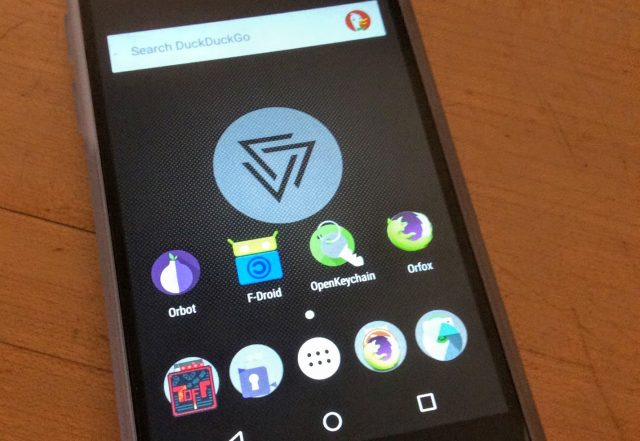
A startup on a shoestring budget is working to clean up the Android security mess, and has even demonstrated results where other "secure" Android phones have failed, raising questions about Google's willingness to address the widespread vulnerabilities that exist in the world's most popular mobile operating system.

"Copperhead is probably the most exciting thing happening in the world of Android security today," Chris Soghoian, principal technologist with the Speech, Privacy, and Technology Project at the American Civil Liberties Union, tells Ars. "But the enigma with Copperhead is why do they even exist? Why is it that a company as large as Google and with as much money as Google and with such a respected security team—why is it there's anything left for Copperhead to do?"

Copperhead OS, a two-man team based in Toronto, ships a hardened version of Android that aims to integrate Grsecurity and PaX into their distribution. Their OS also includes numerous security enhancements, including a port of OpenBSD’s malloc implementation, compiler hardening, enhanced SELinux policies, and function pointer protection in libc. Unfortunately for security nuts, Copperhead currently only supports Nexus devices.

Read 42 remaining paragraphs | Comments

Dealmaster: Save 30 percent on Lenovo ThinkPad notebooks

Plus additional deals on desktops, monitors, No Man’s Sky, and more.

Greetings, Arsians! Courtesy of our partners at TechBargains, we have a big list of deals to share. One of the highlights lets you save big on a number of Lenovo devices: now you can get 30 percent off ThinkPad laptops, including the X1 Carbon and T460 notebooks. Considering Lenovo only offers the occasional 15 percent off, this deal is worth taking advantage of if you've had your eye on a particular laptop for a while.

Check out the rest of the deals below.

Featured

Read 9 remaining paragraphs | Comments

The Harry Potter play might make you into a Slytherin

Harry Potter and the Cursed Child goes in an unexpected direction, but it’s still magical.

The world of Harry Potter has become an industry. The books have sold hundreds of millions of copies around the world, the film adaptations raked in billions of dollars, and there are now real-life Hogwarts castles at Universal theme parks. But the latest creation born from the fantasy franchise is a decidedly old-school entity: it's a play, Harry Potter and the Cursed Childshowing exclusively in London.

Most people won't ever get to see the staged version for themselves—it's already sold out for the next year—but fans can buy the script in book form (UK). Within two weeks of its release, it has already become controversial among fans. The play is nevertheless required reading if you liked the novels. It's a genuine reinvention of the Potterverse with a new cast of Hogwarts students who create very different alliances than their parents' generation did.

Warning: Spoilers ahead!

Read 9 remaining paragraphs | Comments

Amateur astronomers are helping guide space pros to Jupiter and beyond

Tech and social media have evolved to help amateurs guide observations of space pros.

Have you seen this on YouTube yet?


The United Kingdom is a terrible place to use a telescope, at least if you consider the weather. There might be one clear night a week, or worse. So it probably takes a certain amount of bravery for somebody like John McKeon to invest in a telescope and use it to look at the planets in between dodging clouds and rainstorms and snow.

Yet, McKeon—by all accounts an amateur telescope enthusiast—spotted something to spark the interest of a professional. A video on March 17, taken using only an 11-inch telescope, shows a flash of something impacting Jupiter. What's more is he only thought to check the data after yet another amateur, Gerrit Kernbauer, posted a similar find on Facebook.

"I didn't know for 10 days after I had recorded video that I had discovered it," said McKeon, who originally took the footage to track the double shadow of moons Ganymede and Io moving across the planet. But after he saw the post, he immediately went through the 207 videos he took that night.

Read 33 remaining paragraphs | Comments

What I learned playing Metacritic’s all-time worst-scoring PC games

Mostly, Ars learned that playing them is a terrible idea. Watch our video instead.

What can we learn from gaming’s failures? I don’t mean the usual, well-documented critical duds like Duke Nukem Forever and Daikatana. I’m talking about the industry’s crater-deep disasters.

To answer this question, I dug up the five lowest-scoring PC games ever registered on Metacritic, which proved to be an interesting list. Interesting, as in the most terrifying growth you’ve ever seen on an elderly person's back. That kind of interesting.

Worse games may exist, surely, but these five received universal disdain and did something to attract people’s attention. Maybe it was because they preyed on post-9/11 tensions or because they were so bad that the developer had to release an official apology.

Read 40 remaining paragraphs | Comments

Heavy rotation: The tabletop games we’ve been playing this summer

Murderous inkeepers, dueling spaceships, and scarab beetle tanks all feature.

This weekend, the Ars Cardboard crew is drowning in a sea of tabletop games at the annual Gen Con gaming convention in Indianapolis. We’re filling our bags with the newest, shiniest titles and demoing everything under the sun to bring you a thorough cataloguing of all the hot titles you should be looking forward to in the coming months.

But before we unceremoniously abandon all the games on our shelves to fall headlong into the new hotness, we thought we’d take a moment to reflect on a few of the games we’ve been enjoying a lot lately. Some are new, some are old—but they’re all great.

We’ve been hitting the Spiel des Jahres games pretty hard, and we can’t get enough of Scythe, but we’ll keep this list focused on titles we haven’t been talking about ad nauseum for weeks.

Read 44 remaining paragraphs | Comments

From The Sweethome: The solar power system we’d get for ourselves

Turns out picking panels is pretty easy—but designing a system is still complex.

This post was done in partnership with The Sweethome, a buyer's guide to the best things for your home. Read the full article with more details and background information here.

With solar power, there's no one-size-fits-all solution. Before deciding whether we could recommend any components for solar power, we spent weeks compiling statistics, wading through specifications, and getting expert input—and even so, the picks we make here represent only a starting point on the road to solar. Every installation needs to take into account electricity consumption, geographic location, roof orientation, local permits, and a host of other issues. This guide will help you get a rough idea of how much power you'll need and then, in most cases, the first option you should consider is a grid-tied system made up of Suniva Optimus 335W monocrystalline solar panels paired with SolarEdge P400 power optimizers, plus a SolarEdge inverter at the heart of it all. Suniva panels are efficient, affordable, and backed by a reputable warranty from a company with manufacturing in the US. SolarEdge inverter components, meanwhile, combine the reliability and cost savings of a traditional string-inverter system with the placement flexibility and increased efficiency of microinverters.

In the past five years, solar panels have started to become a commodity item, with small technical differences that are immaterial to most homeowners. The Suniva panels, made at factories in Georgia and Michigan, come with a 10-year warranty and a 25-year power guarantee, though most other top-tier manufacturers offer the same warranty. The Suniva panels are right in the middle when it comes to efficiency rating—not so low as to require the extra space that cut-rate panels may need, but not so high that you're paying 50 percent more for engineering prestige you'll never notice. If you can find panels from a similarly reputable company with the same warranty and similar efficiency but a lower price tag, you'll probably be just as happy with them. But the Suniva panels should be the bar that you try to clear as you shop.

Read 38 remaining paragraphs | Comments

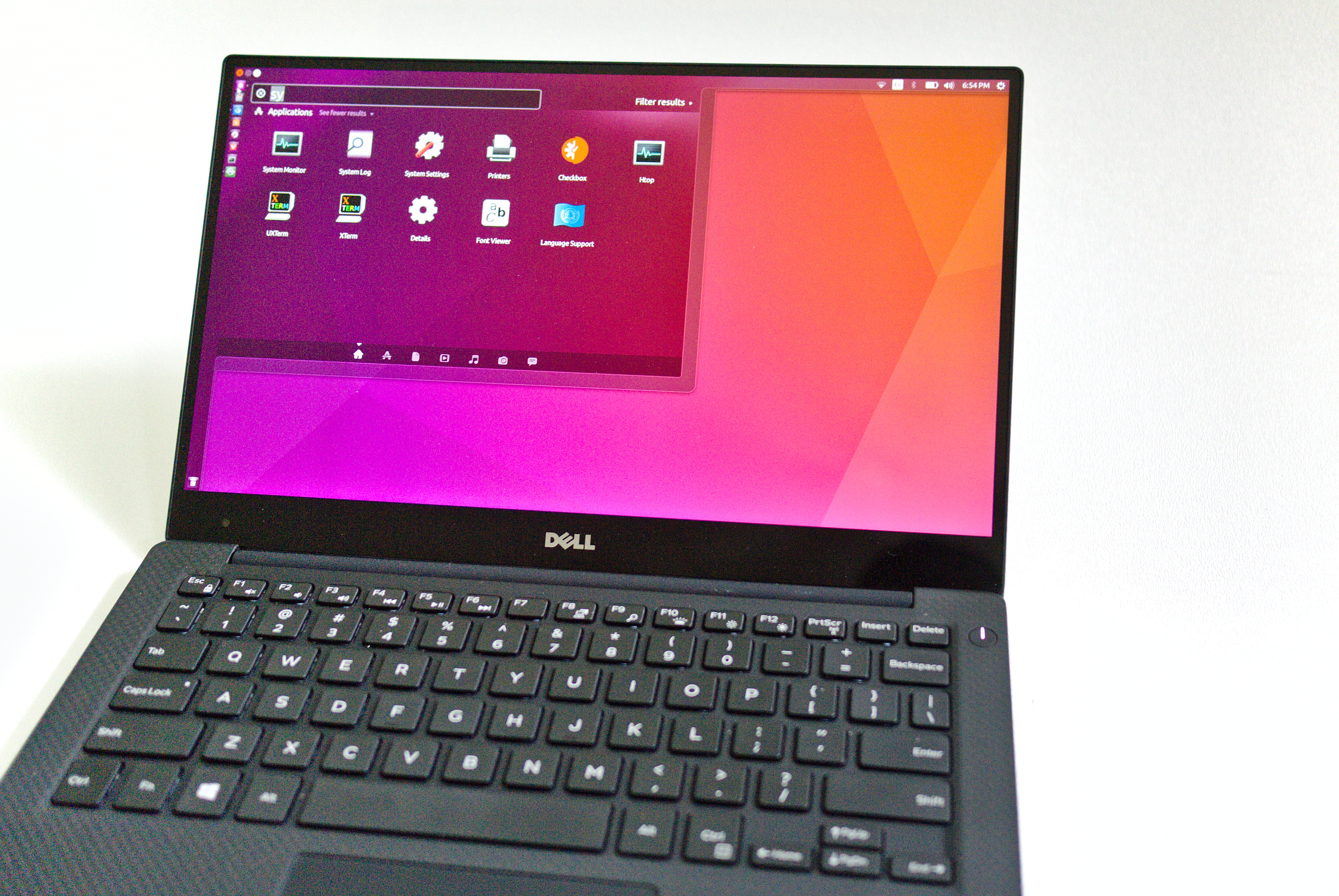
Mint 18 review: “Just works” Linux doesn’t get any better than this

New themes and moving from GNOME/GTK 3.10 to 3.18 means two good years of Mint 18.x ahead.

The newly released Mint 18 is a major upgrade. Not only has the Linux Mint project improved Mint's dueling desktops (Cinnamon and MATE), but the group's latest work impacts all underlying systems. With Mint 18, Linux Mint has finally moved its base software system from Ubuntu 14.04 to the new Ubuntu 16.04.

Upgrading to the latest long-term support (LTS) release of Ubuntu means, as with the Mint 17.x series, the Mint 18.x release cycle is now locked to its base for two years. Rather than tracking alongside Ubuntu, Mint 18 and all subsequent releases will stick with Ubuntu 16.04. Mint won't necessarily get as out of date as Ubuntu LTS releases tend to by the end of their two-year cycle, but this setup does mean nothing major is going to change for quite a while.

If the Mint 17.x release series is anything to judge by, that's a good thing. Stability allows Mint to focus on its own projects rather than spending development time creating patches for every Ubuntu update. That should be especially good news for the 18.x series since Ubuntu plans to make some major changes in the next two years: moving to a new display server (Mir) and updating its own Unity desktop to Unity 8 are chief among the priorities. Many of those initiatives will impact components that affect downstream users like Mint.

Read 40 remaining paragraphs | Comments

Dealmaster: Get a Dell Latitude 13 7000 2-in-1 notebook with 128GB SSD for $499

Plus a bunch of deals on laptops, TVs, consoles, and more.

Greetings, Arsians! Courtesy of our partners at TechBargains, we have a bunch of great deals to share today. Anyone looking for a versatile business notebook, take note: you can now get a Dell Latitude 13 7000 2-in-1 notebook for just $499. In addition to having a great three-year warranty, this model features a 1080p IPS touchscreen display, a full-sized backlit keyboard, 128GB SSD, Dell's data protection suite and TPM, and best of all—no bloatware. Latitudes are very popular business notebooks, and getting a hybrid one like this for such a low price is a deal you don't want to miss.

Check out the full list of deals below.

Featured

Read 6 remaining paragraphs | Comments