Machine learning algorithm can identify drunken tweeting

But the algorithm can’t stop you from drunk tweeting in the first place.

(credit: Richard Riley)

Maybe the one single thing more regrettable than drunk texting is drunk tweeting. Publicly broadcasting intoxication is definitely not the best way to bolster one’s social media clout, and yet a lot of people can't resist boasting about their alcoholic escapades. Researchers have now trained an algorithm to spot alcohol-related tweets, and even to guess if the tweeter was drinking at the time of posting.

Nabil Hossain at the University of Rochester, upstate New York, decided to combine Twitter and machine learning to keep track of alcohol use across a given community.

To do that, he and his team collected thousands of geotagged posts tweeted between July 2013 and July 2014 in New York state, and then winnowed them down to tweets containing booze-related keywords (ranging from “beer keg” to “shitfaced").

Read 9 remaining paragraphs | Comments
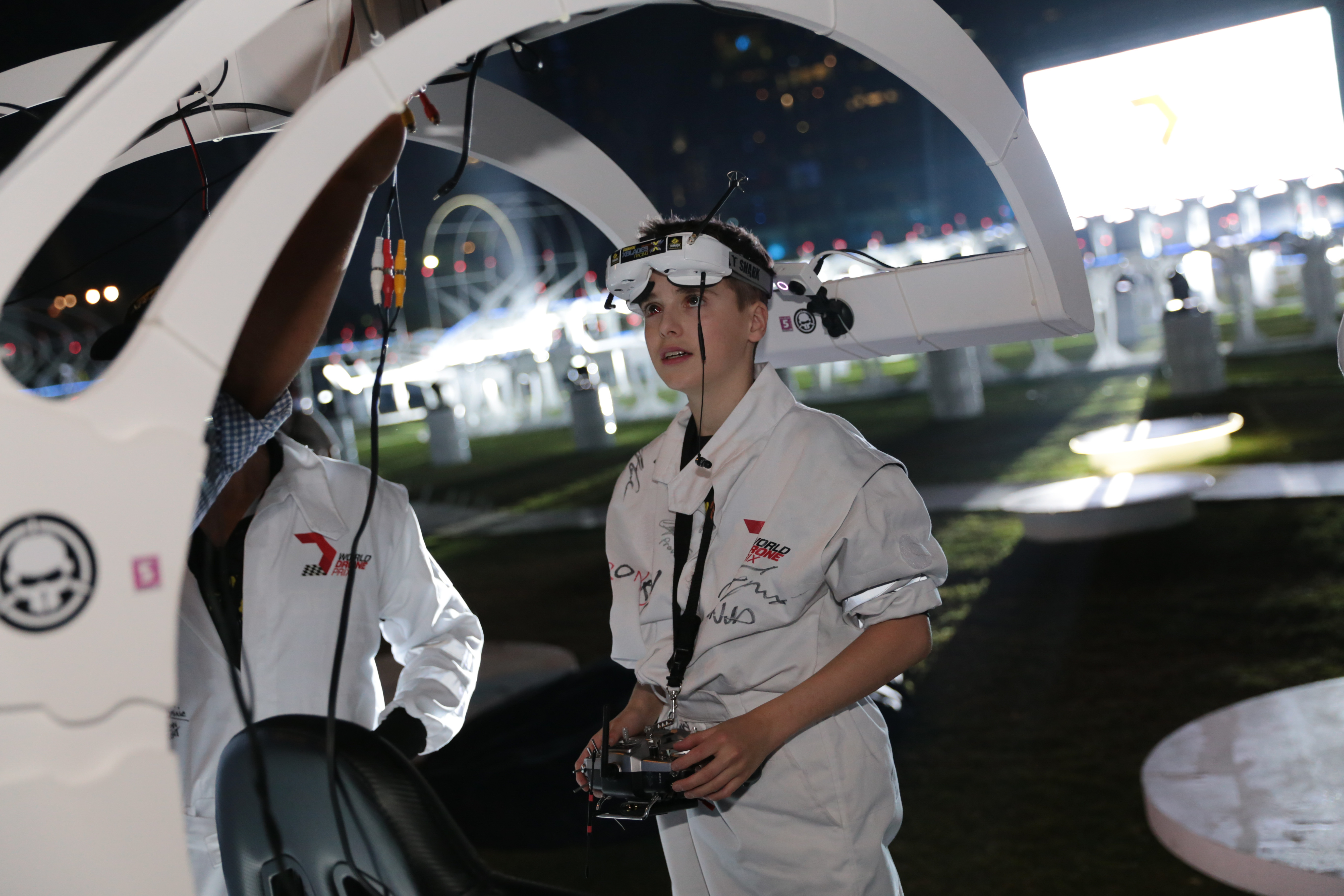
At the Dubai World Drone Prix, where a UK teen won the $250K grand prize

A photo essay of the world’s largest first-person drone racing tournament.

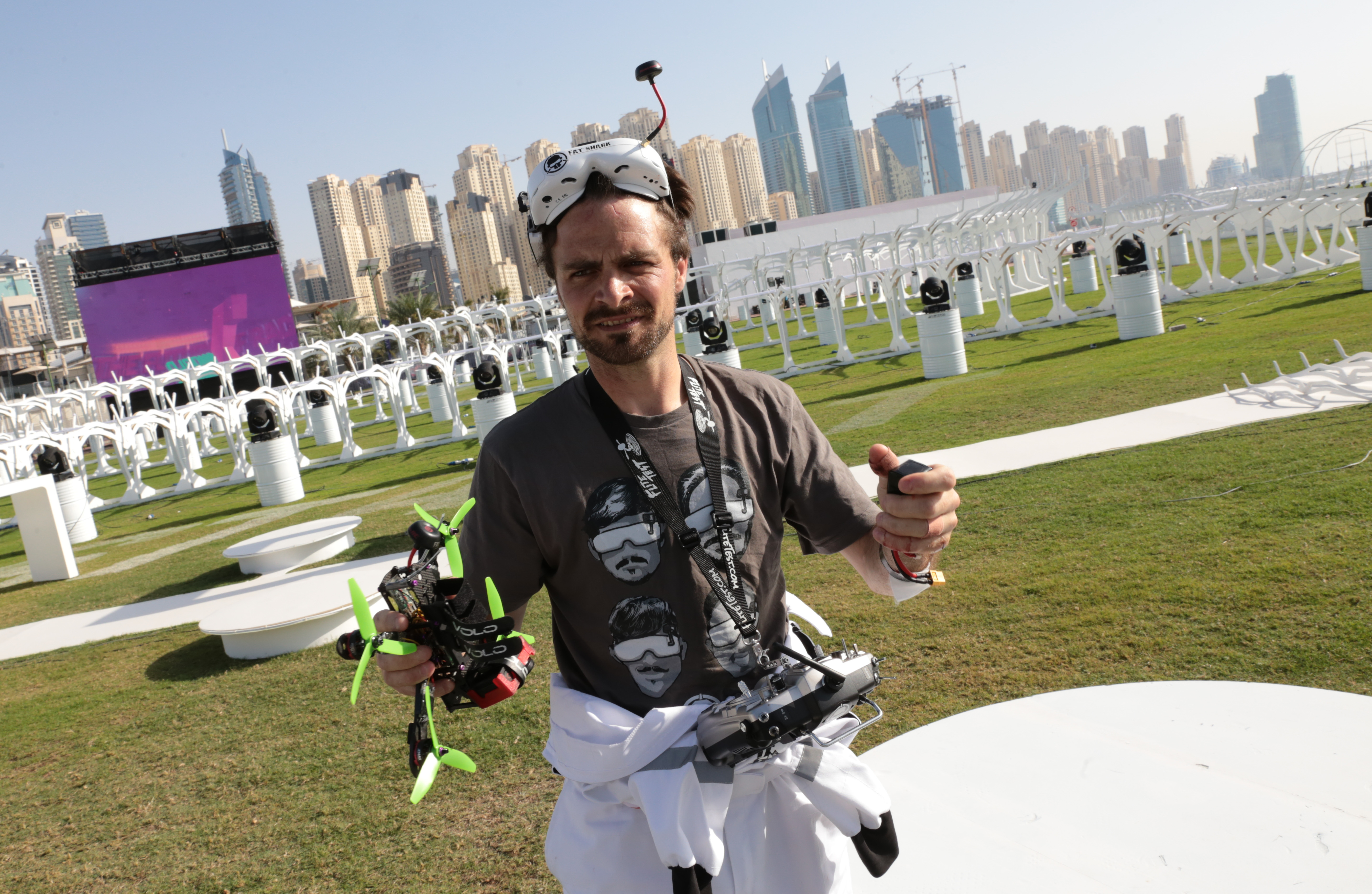
DUBAI—As the dust settles on Dubai’s World Drone Prix, the first truly global drone-racing event, it’s one of the youngest pilots on the scene who walks away with the top prize. 15-year-old Luke Bannister, flying for the UK-based Tornado X-Blades team, out-performed 150 global teams here in Dubai to become the first World Drone Prix champion, netting a cool $250,000 (£175,000) in the process.

Chad Nowak, of team Rotor Riot (credit: David Stock)

The event, held on Dubai’s Gulf coast, saw 150 pilots battle through the week for just 32 spots in the finals, which were held last Friday and Saturday on a custom-built, outdoor track. "Luke was always a threat," says Australian pilot Chad Nowak who won a major tournament in Sacramento, USA, last year and flies for Rotor Riot here in Dubai. "He’s so fast, and doesn’t have the fear or the nerves that the older pilots can have," he says.

Nowak lost out to Bannister in an exciting semi-final race, where four evenly matched pilots jostled for position throughout. Pushed to their limit, three of the four pilots eventually crashed, leaving Bannister the only pilot holding his nerve to complete the course. Despite losing, Nowak wasn’t too upset. "That was a great race," he enthused afterwards. "It felt like we were really pushing the limit of what each other could do, and the crowd were responding, too. They were loving it. I was loving it," he says.

Read 11 remaining paragraphs | Comments

The Division review: Mistakes were made, both old and new

For better and for worse The Division just doesn’t feel like the next Destiny.

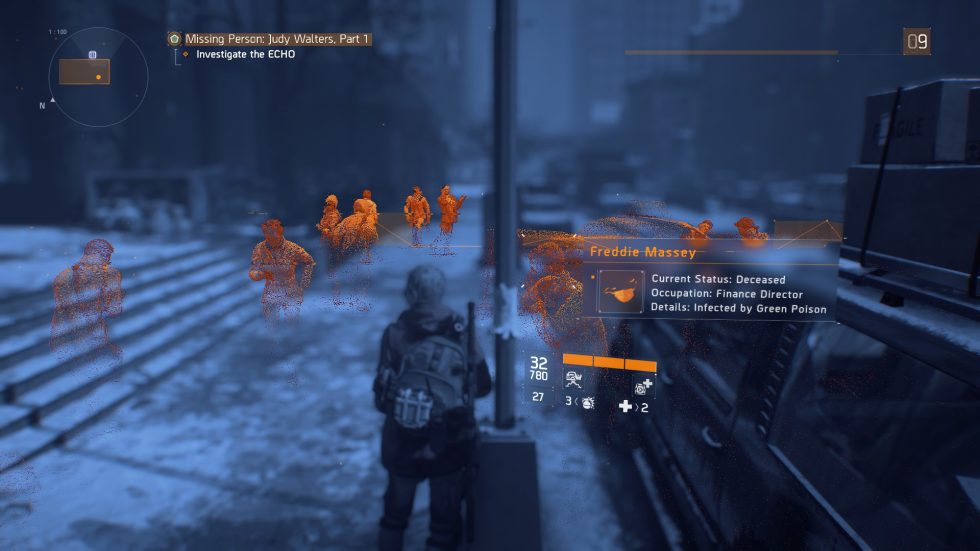
ECHOs are one of the game's collectibles... and just a bit voyeuristic.

With more ways than ever for players to document and share their experiences, ridiculous bugs and absurd oversights are no longer the stuff of playground rumor. You have one chance to make a good impression, or else faceless assassins and loot caves can become the defining features of your game in the public consciousness well before early problems can be patched.

In the case of The Division, we’ll always remember the queues: a dozen or so players, stacked in orderly horizontal piles, separated only by their own collision detection as they reach for the single laptop that will unlock the rest of the game. It’s among the first of the few times The Division naturally populates its world with large groups of other players, and it’s comedy gold. From that moment forward, however, The Division reveals itself to be curiously desolate for a game that requires a constant (and, so far, rather shaky) server connection.

You've been activated

That desolation makes some sense. Someone, somewhere has dosed cash in New York City (or at least the director’s cut version of Manhattan that we get) with a cocktail of smallpox, bird flu, and every other Fox News disease-of-the-year. This “dollar flu,” or “green poison,” has left the boroughs' streets either evacuated or full of corpses. Those who remain were either too slow or unwilling to escape quarantine.

This is where your protagonist comes in. As part of a secret and heavily-armed police force, aka The Division, you’ve stayed behind to, ostensibly, collect data on the virus and keep the peace (which you do by murdering tons of people, of course).

Read 19 remaining paragraphs | Comments

Welcome to the cyborg fair

“A generation from now, people will wonder how we even survived without such technology.”

(credit: Getty Images)

Frieda Klotz visited the ‘world’s first cyborg fair’ with one question: are cyborgs a real thing, or are these people just kidding themselves? Her article first appeared on Mosaic and is republished here under a Creative Commons license.

Michael Bareev-Rudy never expected to have his finger implanted with a magnet. But in November 2015, the 18-year-old decided to embed a 3 mm x 1 mm magnet in his index finger at an event held in Dusseldorf, Germany. A crowd gathered to watch as a man in a smart grey suit and green surgical mask carefully sliced open the sandy-haired 18-year-old’s finger.

“After this he cuts with a scalpel on the side of my finger—yes, he cuts my finger open,” Michael recalled moments later, looking decidedly pale as he smiled nervously before the flashing cameras. After sterilizing the table and numbing Michael’s finger with a local anesthetic, “he uses—I don’t really know how to describe this tool—it was like a pen, sharp on the end with a little spoon on the top. He carved a tunnel through my finger to get the magnet inside and then he tried to put it there.” Because the magnet refused to slip easily into the young man’s finger, they had to try six times before succeeding.

Read 37 remaining paragraphs | Comments

Cothority to Apple: Let’s make secret backdoors impossible

Decentralized cosigning could make it tough for government to gain access.

(credit: Tim Ellis)

Cothority, a new software project designed to make secret backdoored software updates nearly impossible, is offering to help Apple ensure that any secret court orders to backdoor its software cannot escape public scrutiny.

Currently, when Apple or any software maker issues a software update, they sign the update with their encryption keys. But those keys can be stolen, and a government could coerce the company to sign a backdoored software update for a targeted subset of end users—and do so in secret.

Cothority decentralises the signing process, and scales to thousands of cosigners. For instance, in order to authenticate a software update, Apple might require 51 percent of 8,000 cosigners distributed around the world.

Read 20 remaining paragraphs | Comments
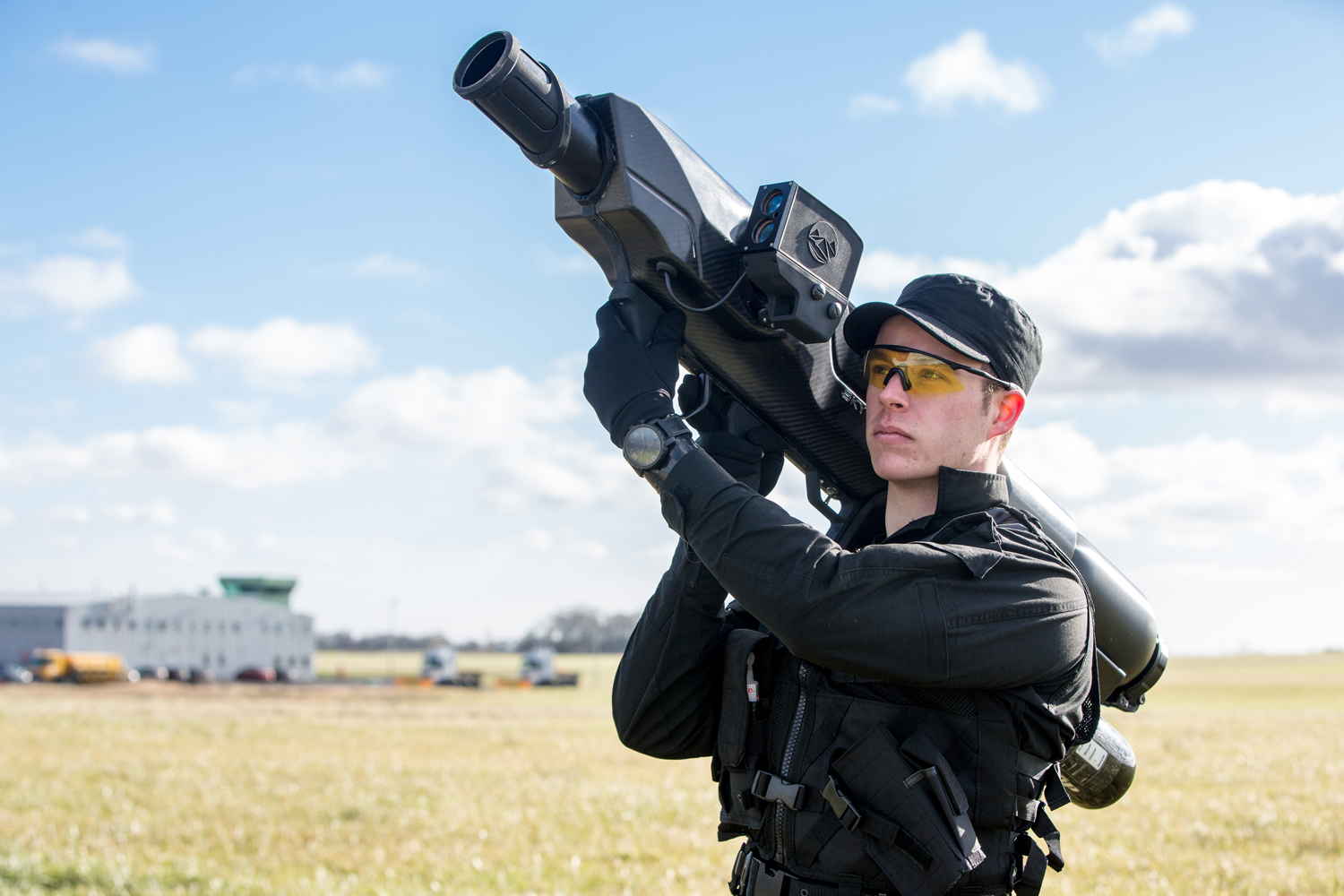
SkyWall 100: An anti-drone bazooka

Made by UK company OpenWorks, the bazooka will help the police control the skies.

A British company has just unveiled a badass-looking bazooka that catches drones with a net and then parachutes them softly to the ground.

Drones have the wonderful propensity to turn up almost anywhere. From sport stadiums to the lawn of the White House, unmanned quadcopters have managed to sneak into locations that are usually off-limits, practically unhindered.

This is great for drone enthusiasts, obviously, but law enforcement agencies are worried these devices could be used in criminal or terrorists acts (i.e. drug-delivering or explosive-rigged drones), or cause crashes by flying too high or too close to larger aircraft.

Read 11 remaining paragraphs | Comments
IBM Watson now powers a Hilton hotel robot concierge

Called Connie, it can greet and interact with guests, answering their queries.

(credit: IBM/Hilton)

Just arrived to your hotel, desperate for some munch at a decent restaurant nearby, and not really into speaking with human beings? Connie the robo-concierge is here to help. American hotel multinational Hilton has teamed up with tech giant IBM to trial a robotic concierge powered by IBM’s AI software Watson.

The bot has been christened “Connie” after the chain’s founder, Conrad Hilton, and it is currently assisting residents at Hilton McLean hotel, in Virginia. From its station next to the reception desks, Connie helps guests navigate around the hotel and find restaurants or tourist attractions in the area—but it is not able to check them in just yet.

Connie’s physical support is Nao, a French-made 58cm-tall android that has become the go-to platform for educational and customer care tasks, thanks to its relative affordability (about £6,000 or $9,000). But the concierge’s brain is based on IBM’s flagship AI program Watson—the Jeopardy!-winning system engineered to understand people’s questions and answer them in the best way possible.

Read 7 remaining paragraphs | Comments

Dealmaster: Get a Dell Inspiron 15 7000 laptop with a 4K IPS display for just $650

And a number of deals on TVs, laptops, accessories, and more.

Greetings, Arsians! Thanks to our partners at TechBargains, we have a host of tempting deals for you today. One of our featured deals drastically cuts the price of a 4K laptop: you can get a Dell Inspiron 15 7000 notebook, complete with 4K IPS display, Core i7 processor, 16GB of RAM, and discrete AMD R7 270 graphics, for only $650. The machine regularly sells for $1,529, making this sale price a fantastic deal and one of the lowest prices we've seen on a 4K notebook.

Check out the full list of deals below as well.

Featured

Read 8 remaining paragraphs | Comments

The Town of Light review: A grim and unblinking psychological horror

An admirable exploration of mental health issues, just don’t expect much action.

There are times when the horror video game genre still feels like it's in its infancy, a clichéd mix of jump scares, shambling horrors, and gore-soaked scenery that should have long been buried. Sure, we all love the bloody dogs that leapt headfirst through a window in Resident Evil, and how we were forced to dive into a closet to hide from Silent Hill 2's ever-disturbing Pyramid Head, but the world has moved on. People have moved on. Isn't time the horror genre did too?

That's not say there haven't been some horror classics of late—the terrifying P.T. demo and the, uh, "quirky" Deadly Premonition spring to mind—but horror games that continue to disturb once the end credits role are a rarity, not a standard. First-person adventure The Town of Light takes a brave, if under-realised, stab at presenting a fresh examination of what constitutes horror. The demons, zombies, and severed limbs so beloved of horror games—which are so overused as to have lost all impact—are discarded in favour of showing the grisly abuse, torture, and subjugation human beings are capable of inflicting on one another.

After all, we know the likes of brain-dead zombies and demonic horrors aren't real (right?). But human beings? They're something we can all be afraid of.

Read 14 remaining paragraphs | Comments

“Out poked two antennae”—crafting an insect-based dinner party

It’s an evening of entomology—cooking, eating, and trying to understand an insect diet.

This is the same feeling all those Blue Apron customers get, right?

This is the same feeling all those Blue Apron customers get, right? (credit: Jason Plautz)

Update: It's Thanksgiving in the US, meaning most Ars staffers are working on mashed potatoes and only mashed potatoes today. With folks off for the holiday, we're resurfacing this culinary classic from the archives—a look at a true evening of entomological entertaining. This story first ran in May 2016, and it appears unchanged below.

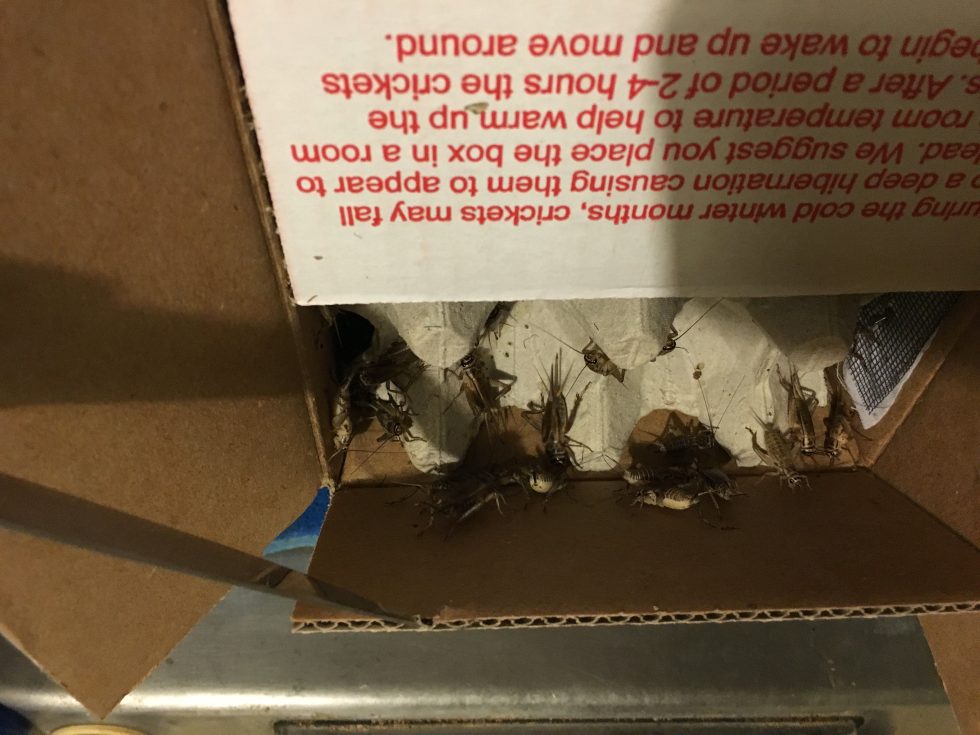
The boxes at my door were plastered with red drawings of bugs and the blunt warning: “Live Insects.” I could hear audible scratching and shuffling—and even what I thought was an errant “chirp”—as I placed them on my kitchen counter.

I slowly opened the first lid. Out poked two antennae, followed by the head of a cricket. I lifted the lid higher and saw dozens of them hopping around. Inside the second box, a thousand mealworms wriggled over an egg crate.

Read 70 remaining paragraphs | Comments