Dell gets out of the Android business, and everything old is new again

Company will stop updating Android tablets and focus on 2-in-1 Windows PCs.

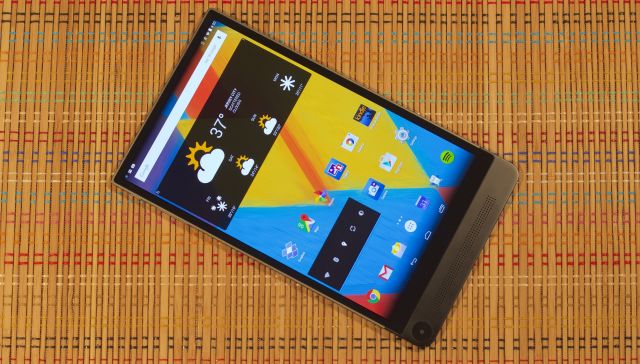
Dell's Venue 8 7000 was a decent tablet, but its future doesn't look bright. (credit: Andrew Cunningham)

There's a lot of competition and not a lot of profit in the Android ecosystem, so it's not exactly surprising to hear that Dell plans to exit the Android business in order to focus on its Windows PCs and convertibles. According to The Verge, the company will continue to honor warranties and service contracts for Venue Android tablets, but it will no longer sell or develop new hardware and will stop releasing software updates for current devices.

This means no more updates for relatively recent releases like the odd but relatively well-reviewed Venue 8 7000.

The move is part of a wider strategy shift at Dell, one in which it will "divest from the slate tablet market" in favor of convertibles, partly because "the tablet opportunity in big business has passed" (read: it can't sell enough of these at a high enough margin to make the effort worthwhile). Windows is a stronger choice for devices that spend all or most of their time attached to keyboard docks, since it offers a wider range of "professional" apps and is already accepted among and familiar the business and IT types that Dell is targeting with these products. Dell also takes a not-so-subtle swipe at a couple of recent Apple tablets, saying that "CIOs and IT administrators have to consider much more than just the word “Pro” and visual appeal of a device when deciding which products to deploy among their workforce."

Read 2 remaining paragraphs | Comments
Report: Apple blocks Spotify app update after in-app subscription removal

Spotify claims that Apple is trying to boost its own subscription music service.

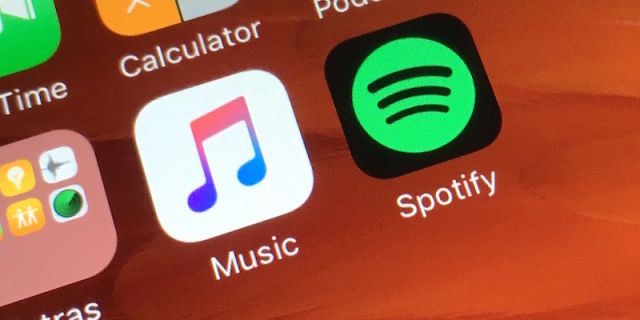
Enlarge / Spotify says Apple is using its privileged position to hurt Spotify's chances against Apple Music.

Apple Music has been around for about a year now, and despite being a little late to the game, Apple boasts that it has managed to pick up about 15 million paying subscribers. Spotify has at least twice that many users, but the company is worried that Apple is using its privileged position on iPads and iPhones to push Apple Music at the expense of third-party services.

According to a report from Recode, Apple has blocked an update to the iOS Spotify app, citing "business model rules." Spotify no longer offers iOS users the ability to subscribe to its Premium tier from within the app, a move which inconveniences users but more relevantly denies Apple its typical 30 percent cut of the revenue. The report claims this led directly to the new update being blocked, which according to Spotify's lawyers "raises serious concerns under both U.S. and EU competition law" and "[diminishes] the competitiveness of Spotify on iOS and as a rival to Apple Music."

The iOS Spotify app used to offer in-app subscriptions but charged users $12.99 instead of the standard $9.99 to compensate for Apple's cut. Spotify recently offered iOS users a three-month trial of Spotify for $0.99 if they signed up through Spotify's site rather than the app, but pressure from Apple prompted the company to remove that promotion and the in-app subscription option altogether.

Read 4 remaining paragraphs | Comments

Game of Thrones’ sixth season provided what the show sorely needed: Motion

Or: Not all men must die.

Enlarge / Say it with me: FINALLY. (credit: HBO)

Spoiler alert: The below contains heavy spoilers for the Game of Thrones season six finale and the entire series to date. If you haven’t watched and want to go in fresh, stop reading now.

Think back to the very first scene of Game of Thrones. It wasn't about Jon Snow or Daenerys Targaryen or Tyrion Lannister, though we meet all of these characters in the show's opening hour. It's about a small group of men from the Night's Watch, barely named and swiftly dispatched, who encounter something so terrible that they'd rather be executed than face it. It's the stuff of fairy tales and nightmares, it hates mankind, and it's coming.

The confrontation between humanity and the eldritch terrors from north of the Wall has been Game of Thrones' endgame since that very first scene, but the six years of show since have moved toward that confrontation in fits and starts. At its best, the series draws us in completely, allowing us to root for multiple people on multiple sides of a conflict even when they change sides. Never has a show so effortlessly mastered the heel-face turn. At its worst, Game of Thrones meanders, too absorbed in the 8,000 little stories it's trying to tell to meaningfully advance that Big Story.

Read 7 remaining paragraphs | Comments

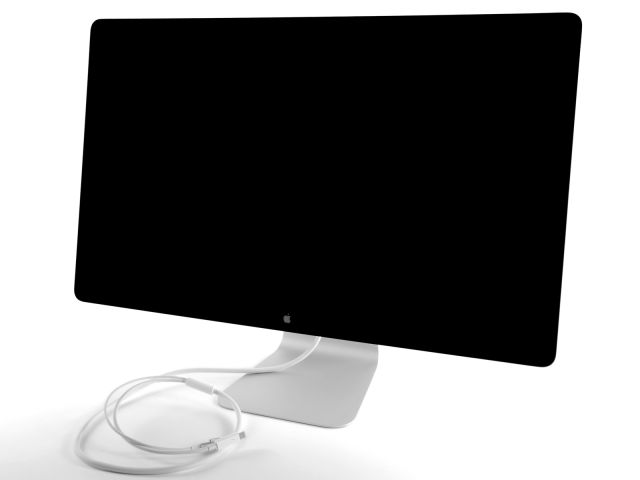
Apple retires the Thunderbolt Display without announcing a replacement

Apple tells users to look elsewhere instead of replacing the 5-year-old screen.

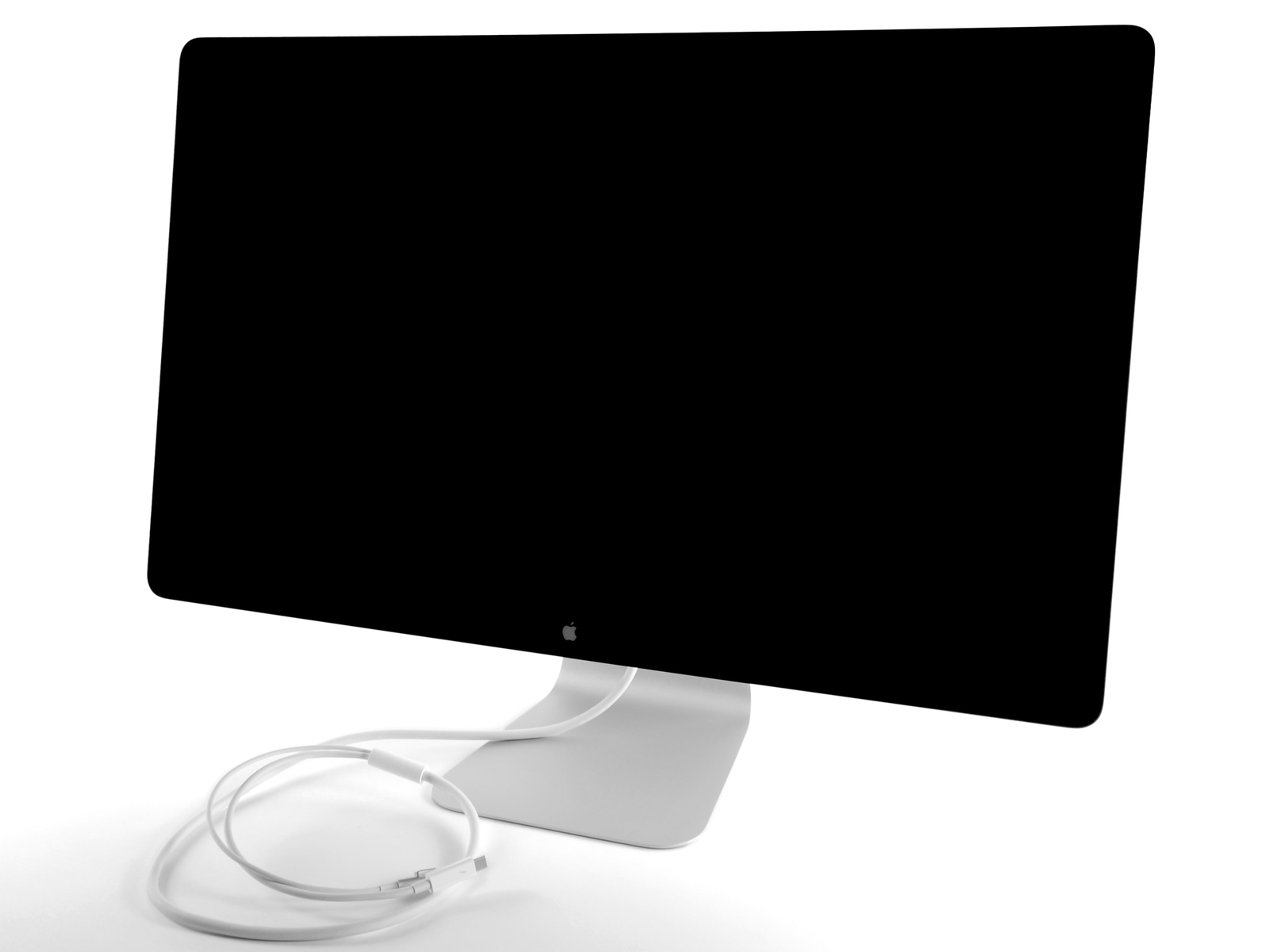
Enlarge (credit: iFixit)

Apple has yet to announce an updated version of 2011's Thunderbolt Display, but pretty soon it won't be selling the old one either. The company will sell through any existing stock in the online and brick-and-mortar Apple Stores, but it doesn't plan to continue manufacturing the current model.

According to a statement given to TechCrunch, Apple is pointing its users toward third-party monitors. There are plenty of these and they come in all different sizes and screen resolutions and panel qualities and prices, though none offer actual Thunderbolt activity; regular USB hubs are far more common.

Some pre-WWDC scuttlebutt indicated that Apple is working on a 5K Retina version of the Thunderbolt Display, possibly with its own dedicated GPU to work around bandwidth limitations of the DisplayPort 1.2 spec. That monitor never materialized, but it could still show up as part of a Mac-related push when Apple updates its MacBook Pros and other computers. These refreshes are said to be coming later this year.

Read 1 remaining paragraphs | Comments

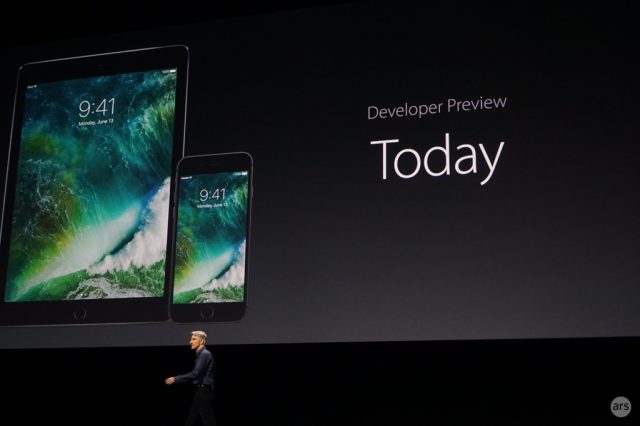
iOS 10 beta still encrypts user data, but not the kernel

Apple says it improves performance without putting user data at risk.

The iOS 10 developer betas come with an unencrypted kernel. (credit: Andrew Cunningham)

Apple has made encryption and user privacy a pillar of the iOS platform in recent years, but earlier this week, security researchers made a curious discovery: as reported by the MIT Technology Review, the operating system kernel in the iOS 10 betas released at WWDC last week is unencrypted. This makes it much easier to dig into the code and look for security flaws.

There was some speculation as to why Apple had done this or whether the company had even released an unencrypted kernel on purpose. After declining to comment initially, an Apple spokesperson confirmed to TechCrunch that the kernel had been left unencrypted on purpose but that user data continues to be encrypted as it normally is.

“The kernel cache doesn’t contain any user info, and by unencrypting it we’re able to optimize the operating system’s performance without compromising security,” the spokesperson said.

Read 2 remaining paragraphs | Comments

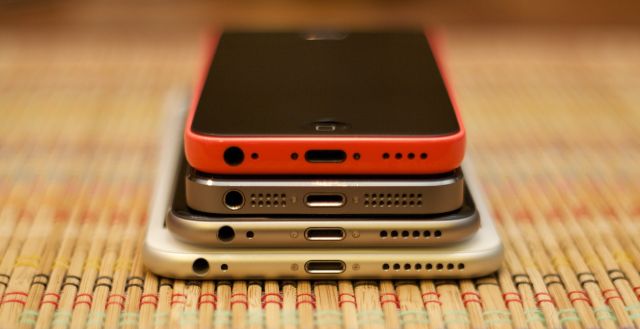
If you kill the headphone jack, you need to replace it with something better

If the headphone jack is the new floppy drive, what’s the new CD-RW?

Enlarge / Little ol' headphone jacks causing a big ol' fuss. (credit: Andrew Cunningham)

As the rumors that the next iPhone will drop the 3.5mm headphone jack have intensified, I’ve been keeping tabs on the specific argument that Daring Fireball’s John Gruber made yesterday: that removing the headphone jack from the iPhone is the modern-day equivalent of removing the floppy drive from the iMac in the late '90s. It caused some pain at the time, but it was the way things were moving anyway and in the grand scheme of things it was a smart thing to do.

The people on the “get rid of the headphone jack” side of the debate normally choose some version of this position as the justification that the jack is “old” and so getting rid of it represents “progress.” And the fact of the matter is that Apple has been pretty good at this kind of progress over the years, picking up new technologies like USB and SSDs and dropping aging ones like the DVD drive well before those technologies had gone (or ceased to be) mainstream.

But the headphone jack is not the floppy drive. It’s not the 30-pin connector. It’s not the DVD drive. It’s not even USB Type-C. It’s not, in other words, directly comparable to all those other times when Apple has been “right” to remove or change something, both because of the ubiquity of the headphone jack and the quality of the supposed replacements.

Read 11 remaining paragraphs | Comments

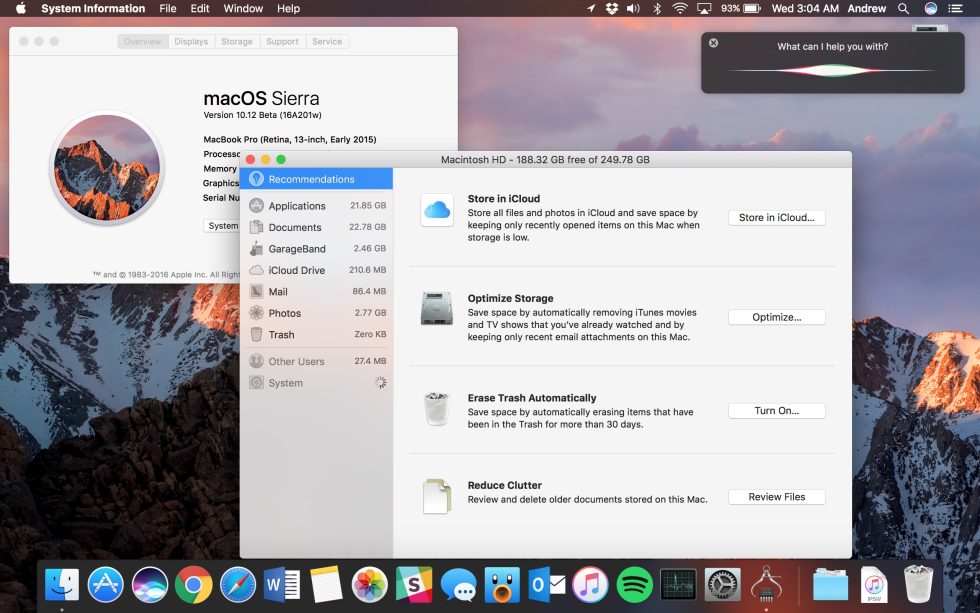
The macOS Sierra developer preview: Different name, same ol‘ Mac

Siri ushers in a range of updates that refine but don’t transform the Mac.

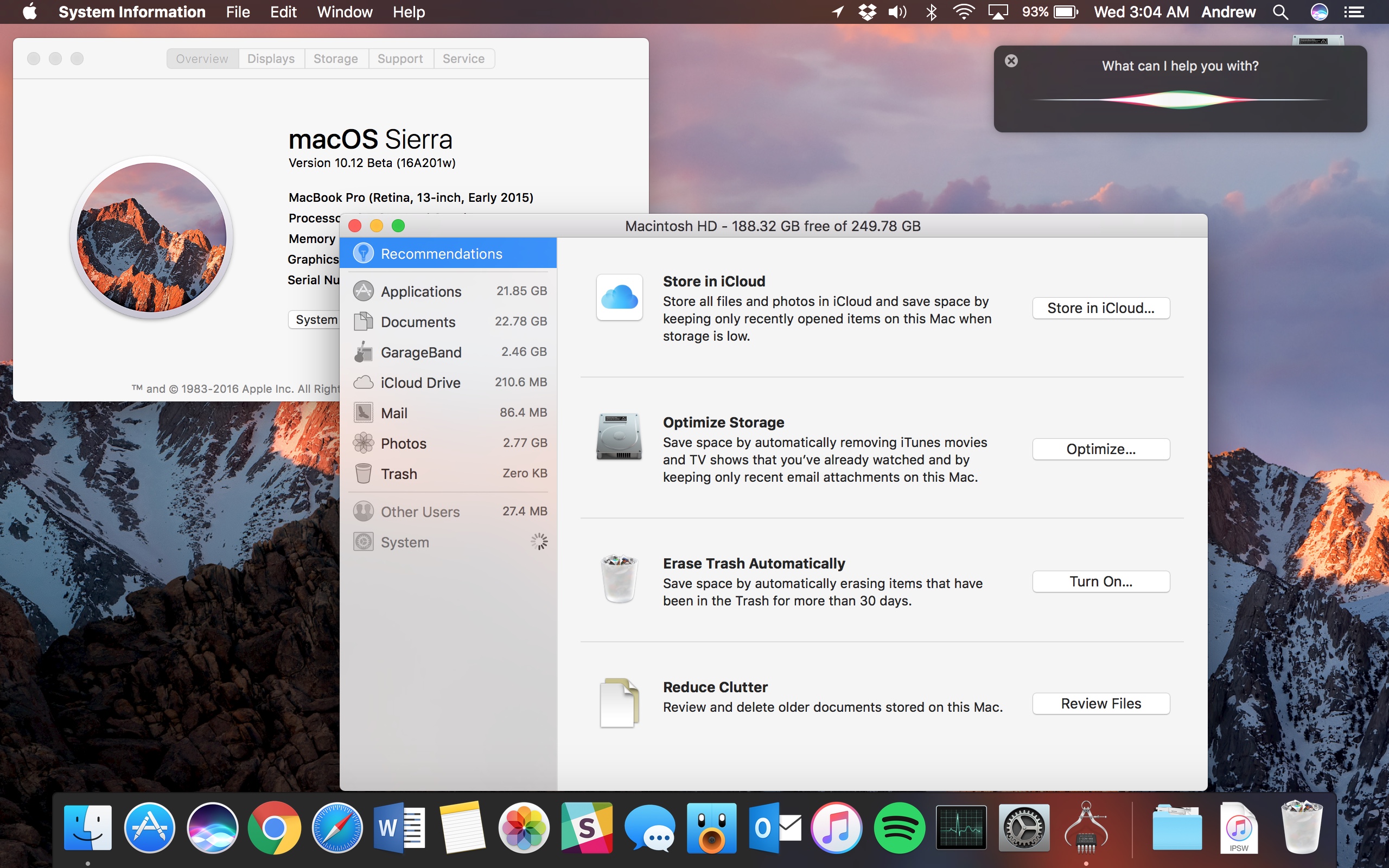
Enlarge / macOS Sierra is a big branding change for a typical iterative OS release. (credit: Andrew Cunningham)

When Apple runs through its operating system announcements at WWDC, the OS X part of the show is pretty much the only instance when the company spends any time talking about a product name.

The Mac has long since ceased to be Apple's most important product, but the company has kept up the tradition of slapping a secondary name on each OS release, something separate from the version number and the "OS X" or "Mac OS X" branding. Often, those names are used to set expectations about the release. Snow Leopard is a refinement of Leopard. Mountain Lion is a refinement of Lion. El Capitan is a refinement of Yosemite.

It's tempting to read the "macOS" rebranding as some grand statement about the Mac, but, truth be told, "Sierra" is more indicative of what we're getting. The name comes from a mountain range that encompasses Yosemite and El Capitan rather than moving away from them. It's another year of building on Yosemite's foundation, another year of incremental change, and another year of over-saturated mountain wallpapers.

Read 84 remaining paragraphs | Comments
WSJ: Next iPhone ditches the headphone jack, other changes will be small

An all-new “iPhone 7” design may not surface this fall.

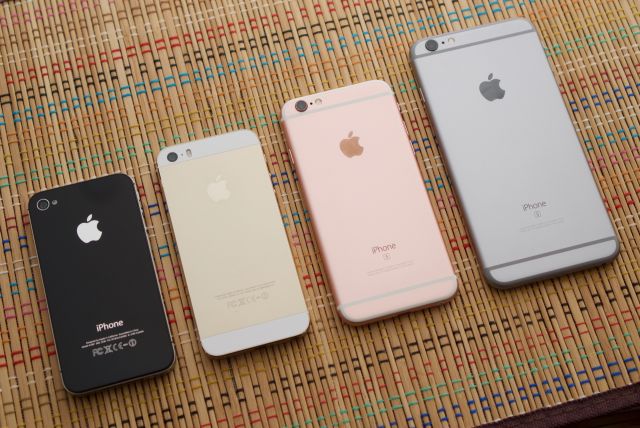
Enlarge / The next-generation iPhone could look a lot like the 6S and 6S Plus, according to a new report. (credit: Andrew Cunningham)

If you were hoping for an all-new iPhone design this fall, The Wall Street Journal says you may be disappointed. Aside from the oft-rumored and controversial decision to remove the standard 3.5mm headphone jack, this year's iPhones will allegedly share a lot in common with the iPhone 6 and 6S.

According to the usual, shadowy "people familiar with the matter," the new iPhone design will be about a millimeter thinner than the current iPhone 6 and 6S design, and the removal of the headphone jack will improve the phone's waterproofing. Otherwise, though, the phones will be similar to the 6 and 6S design, and they'll retain the same 4.7 and 5.5-inch screen sizes. A more extensive overhaul, including an edge-to-edge OLED display and the elimination of the Home button, could follow for the iPhone's 10th birthday in 2017.

Apple has redesigned the iPhone every other year since the iPhone 3G came out in 2008. The 3GS changed the internals but kept the same external design, and the iPhone 4 and 4S, 5 and 5S, and 6 and 6S maintained the same cadence. Outliers like the iPhone 5C and SE aside, retaining an iPhone 6-style design for the third year in a row would be a big break from tradition. As in the "S" years, Apple would need to lean on performance and camera improvements along with some other big hardware addition—Siri in the 4S, TouchID in the 5S, 3D Touch in the 6S—to sell the phone to upgraders and new users.

Read on Ars Technica | Comments

Apple and Microsoft pushed to remove the rifle emoji from Unicode 9.0

“Nobody in the room seemed to mind not encoding the rifle.”

New emoji are typically proposed by the Unicode Consortium and approved for the next version of the spec without much fuss, but a rifle emoji proposed for Unicode 9.0 apparently ran into opposition from two major members of the consortium: Apple and Microsoft.

According to a report from Buzzfeed, Apple objected to the idea of introducing a second gun emoji on its platforms, and Microsoft joined in. The decision to remove the rifle emoji, as well as a second "pentathlon" emoji depicting a man holding a pistol among other athletes, was apparently unanimous.

“Nobody in the room seemed to mind not encoding the rifle,” said a Unicode Consortium member present during the discussion.

Read 3 remaining paragraphs | Comments

Report: iPhone 6 infringes on Chinese phone, sales in Beijing could be stopped [Updated]

iPhones allegedly infringe on the external design of Shenzhen Baili’s 100C.

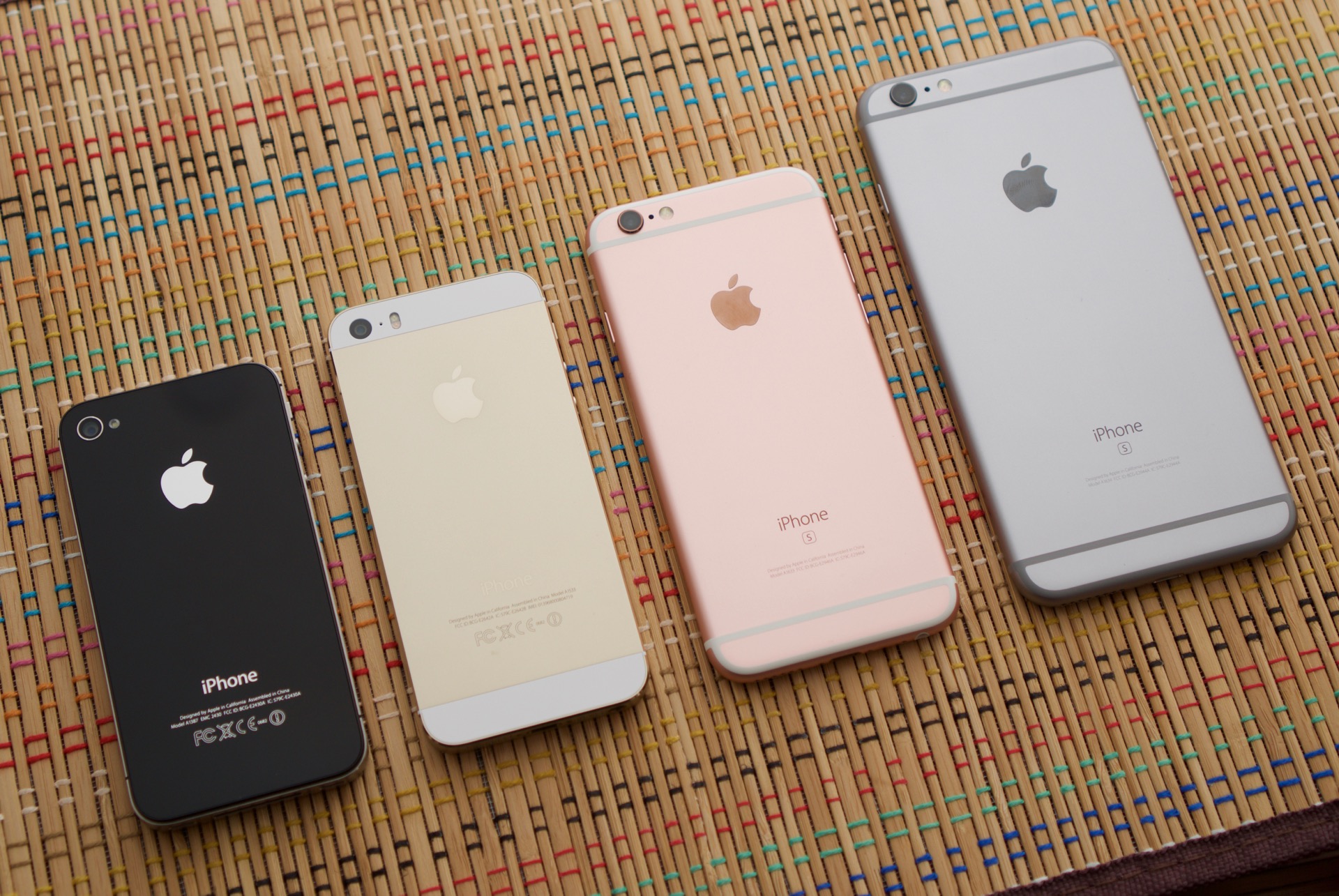
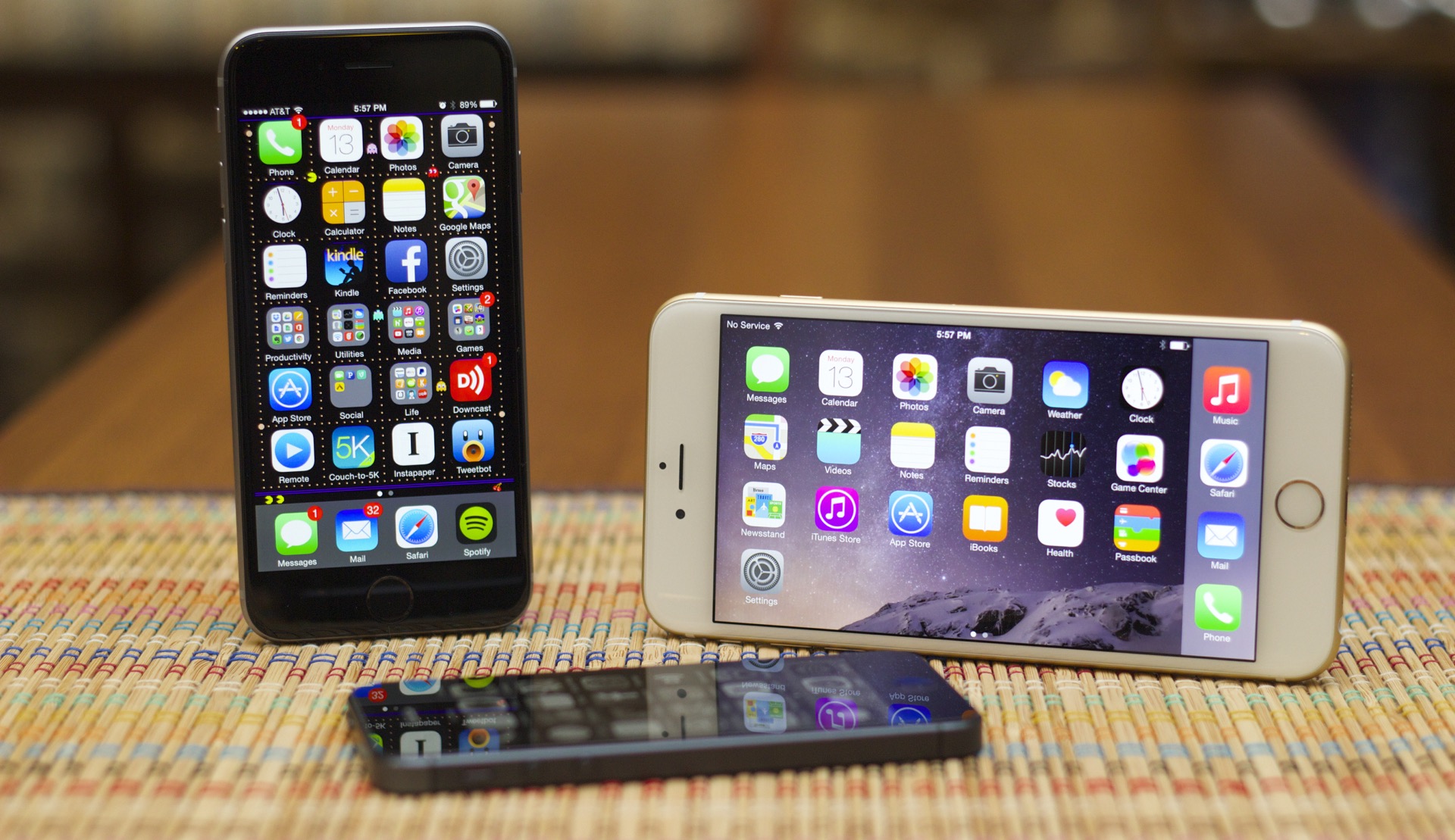
Enlarge / the iPhone 6 and 6 Plus. (credit: Andrew Cunningham)

Update: Apple's has responded to our request for comment, indicating that all current iPhones are still being sold in Beijing while the company appeals the order. The full statement:

"iPhone 6 and iPhone 6 Plus as well as iPhone 6s, iPhone 6s Plus and iPhone SE models are all available for sale today in China. We appealed an administrative order from a regional patent tribunal in Beijing last month and as a result the order has been stayed pending review by the Beijing IP Court."

Original story: A Chinese regulator has told Apple to stop selling the iPhone 6 and 6 Plus in the city of Beijing, according to a report from Bloomberg. The Beijing Intellectual Property Office has ruled that the phones infringe on the external design patents of the Shenzhen Bali 100C, which like the vast majority of smartphones today looks like a gently rounded rectangle.

It's a confusing order, especially given the number of Chinese smartphone makers who design and sell iPhone-esque Android phones. It may be another round of pushback by the Chinese government against an American company, not unlike the decision to shut down the iBooks and iTunes Movies stores in China back in April.

Read 2 remaining paragraphs | Comments