Google lays out plans to update Android more regularly and frequently

First new Nougat beta build will be distributed in the fall.

Enlarge

Android's release schedule has historically been all over the place, but for the last few years we've gotten roughly one major release per year, occasionally punctuated with medium-sized maintenance releases, minor feature updates, and monthly security patches. Now, the latest of Google's blog posts about the Android Nougat release suggests things will become more predictable in the future.

We’re moving Nougat into a new regular maintenance schedule over the coming quarters. In fact, we’ve already started work on the first Nougat maintenance release that will bring continued refinements and polish, and we’re planning to bring that to you this fall as a developer preview. Stay tuned!

This strongly implies a quarterly-ish release schedule for new versions of Android rather than one big announcement followed by a major release a few months later (like we've seen with Lollipop, Marshmallow, and Nougat). And the public beta program that delivered new Nougat betas to interested Nexus users all summer is going to live on, delivering a steady drip of beta software all year long.

A regular release schedule would more closely track what Apple and Microsoft are doing—both companies still tend to save major changes for big updates that hit once or twice a year, but the Apple Beta Software Program and Windows Insider program both supply beta testers with new builds throughout the year. Google does itself this with Chrome OS, which offers stable, beta, and developer release channels that all get updated continuously and gradually rather than all at once.

Read 2 remaining paragraphs | Comments
Android Nougat drops support for Nexus 5 and 2013 Nexus 7

Both should have a couple more months of security patches left, at least.

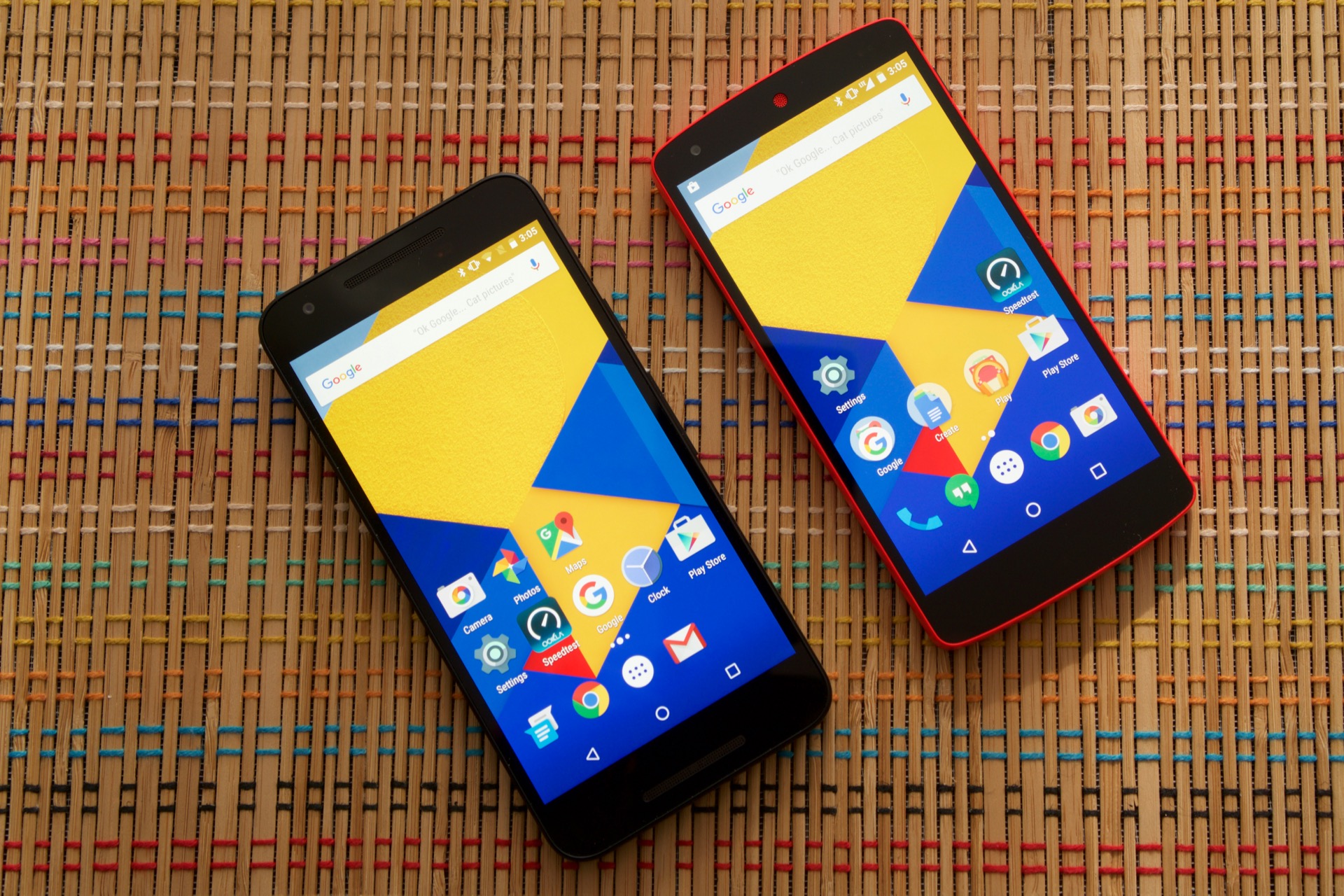
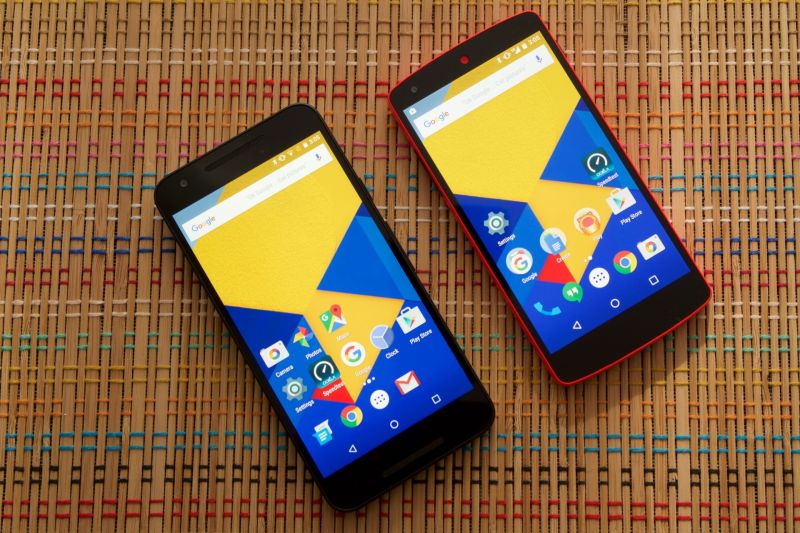
Enlarge / The Nexus 5X (left) and Nexus 5 (right) will run the same software no longer. (credit: Andrew Cunningham)

It's official: The Nexus 5 and 2013 Nexus 7 won't receive the Android 7.0 Nougat update from Google today. The update will roll out to the Nexus 6, 9, 5X, 6P, the Pixel C tablet, the Nexus Player, and the General Mobile 4G (an Android One phone that has been included in the beta program), but older gadgets will remain on Marshmallow.

Neither device was supported by the Android N developer beta builds that Google has been releasing all summer, and both are past the point when new major Android updates are guaranteed (July and October of 2015 for the Nexus 7 and 5, respectively). But the beta support list is not always indicative of the final support list. Google has provided updates outside of that 18-month window before.

Google provides its monthly security patches either three years after a device's release date or 18 months after the end of general availability, whichever is longer. According to the dates listed on Wikipedia, that ought to cover both of them until October 2016 or so, at which point both devices may be left behind for good.

Read 2 remaining paragraphs | Comments
Android’s split-screen multitasking mode needs some help from developers

Video: The fundamentals are sound, but you’ll run into problems early on.

Video recorded by Andrew Cunningham and edited by Jennifer Hahn. (video link)

One of the Android Nougat update’s biggest additions for tablets and large-screened phones is its new split-screen multitasking mode. Samsung has supported its own version of this feature for years, and Apple added it to newer iPads in the iOS 9 update, but official Google support for it should make it usable on just about anything that runs Nougat.

Google hasn’t changed anything about the implementation since we first took a look at the feature in the earliest Nougat beta—that article and the video above lay out the basics of what it’s capable of and what it’s like to use. Now that I’ve had some time to play with the near-final version of the feature on a Nexus 9, I can say that the biggest pain point (as long as you have a fast phone or tablet) is going to be third-party app support.

Read 4 remaining paragraphs | Comments

Google is killing Chrome apps on Windows, Mac, and Linux

Chrome OS will remain supported “for the foreseeable future.”

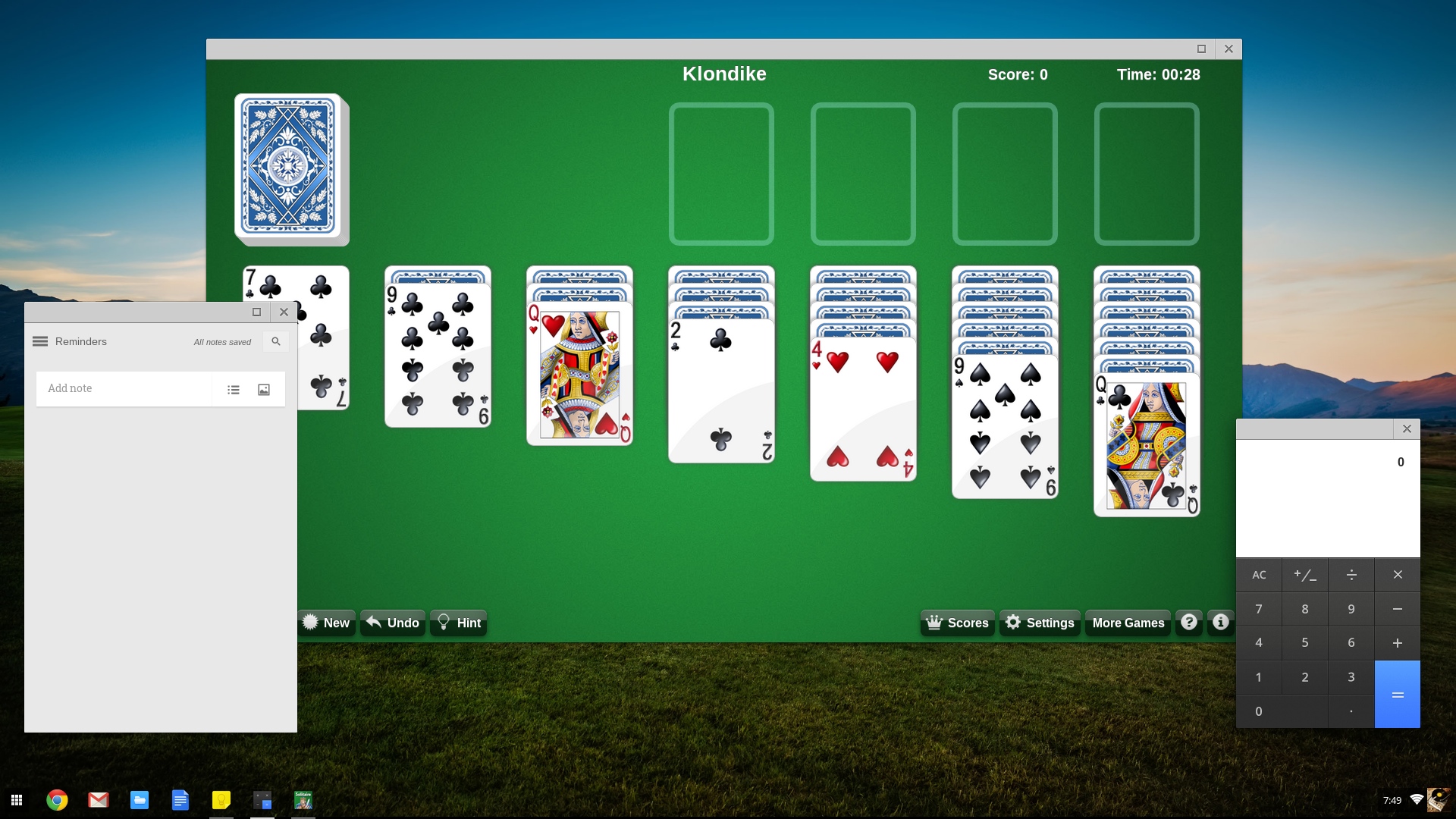
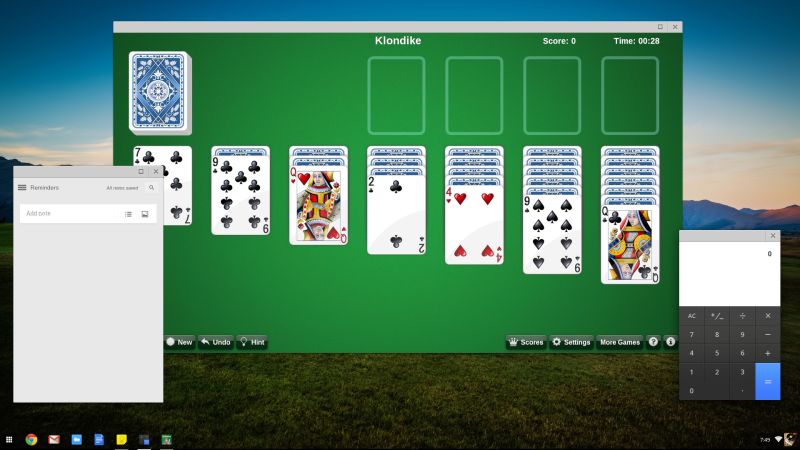
Enlarge / Chrome apps running on an older version of Chrome OS. (credit: Andrew Cunningham)

Chrome OS has become a low-key success story for Google in the last few years. Because they're relatively cheap and easy to track and manage, Chromebooks has made inroads in businesses and educational institutions. But Chrome OS still has a big shortcoming compared to Windows and macOS: an app gap.

To help close that gap and augment Web apps, Google introduced the Chrome apps platform to let developers make Web apps that looked and functioned more like traditional standalone apps. Part of Google's sales pitch was that Chrome apps were universal—without any additional effort from developers, these apps would run not just on Chrome OS, but also any Windows, Mac, or Linux PC with Chrome installed.

The Chrome apps platform was an interesting experiment, but it has apparently failed. In a blog post today, Google said that "approximately 1 percent" of all Chrome users on Windows, Mac, and Linux were using Chrome apps. Arguing that Web standards have continued to evolve and become more capable and that the company is simplifying Chrome, Google says that support for Chrome apps on non-Chrome OS platforms will be phased out over the next two years.

Read 2 remaining paragraphs | Comments
Report: Battery concerns will keep LTE out of the next Apple Watch

Apple is still investigating cellular connectivity for future hardware.

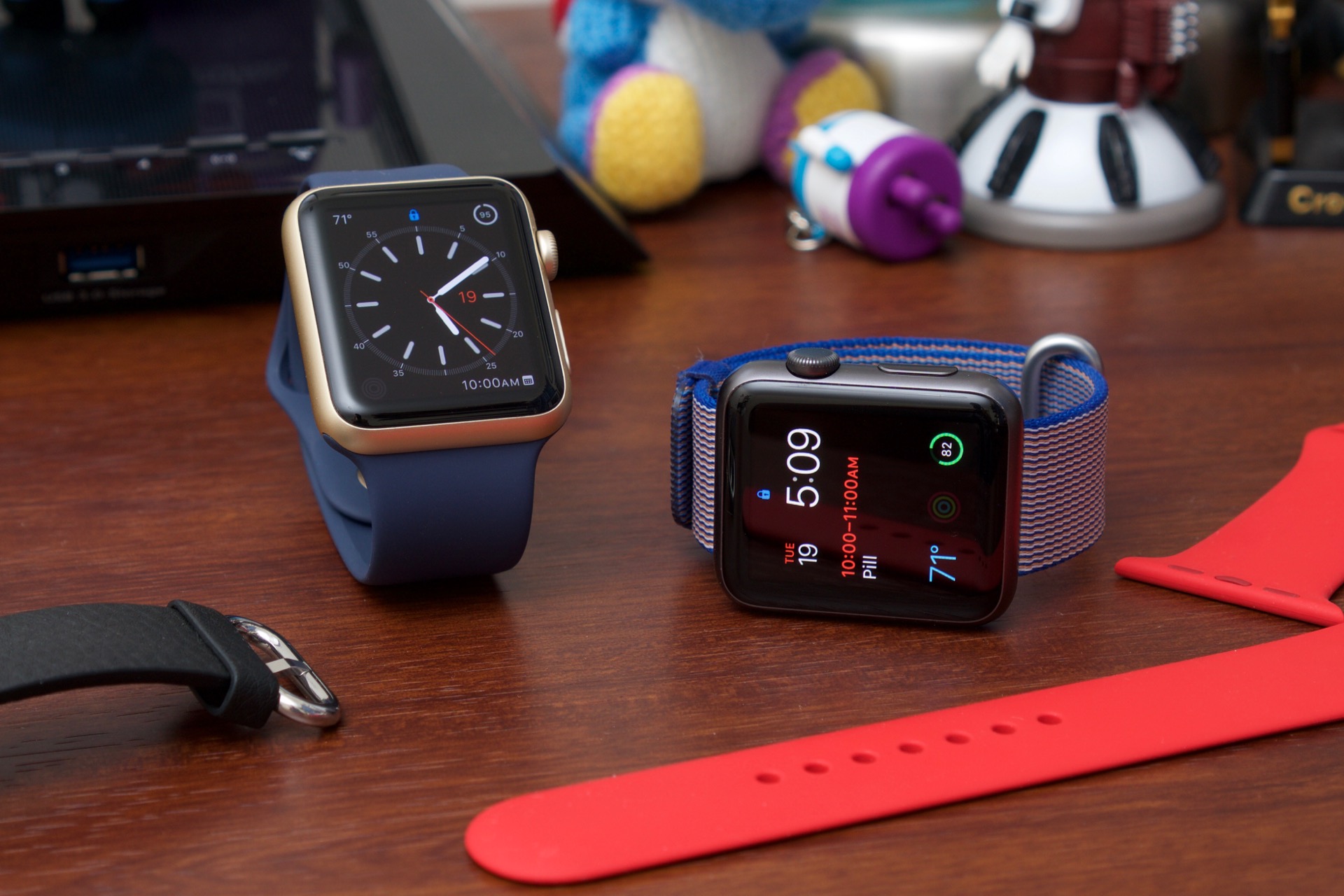
Enlarge (credit: Andrew Cunningham)

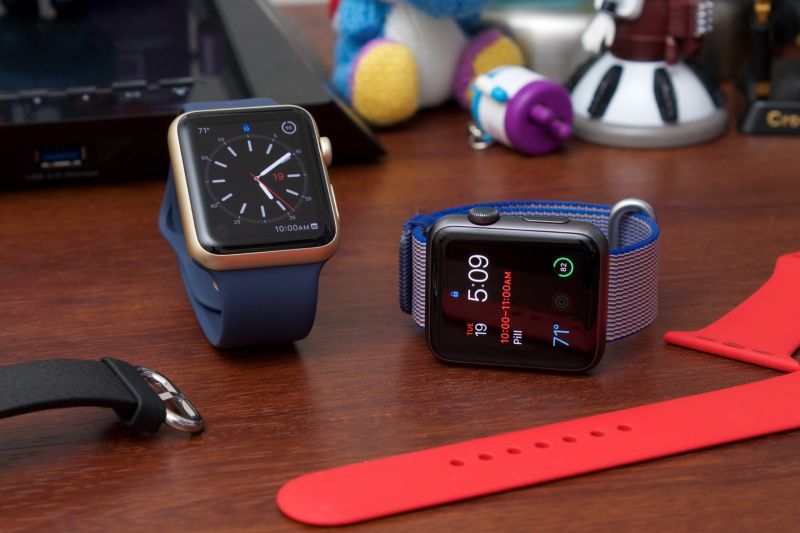
There may come a day when your Apple Watch doesn't need to be tethered to your iPhone to work, but that day won't be soon. According to a new report from Bloomberg, Apple's plans to put cellular modems in the next version of the Apple Watch have been put on hold because of concerns about battery life. While Apple is still reportedly "studying lower-power cellular data chips" for inclusion in future generations, the next watch will still rely on your iPhone for its data connection.

That said, the report indicates that Apple does plan to ship GPS functionality in the new Apple Watch. This will be of particular interest to people who use the watch for outdoor exercise like running and biking. Today's Apple Watch relies on your iPhone for GPS, and, when untethered from your phone, it can only provide you with rough estimates about distance and pace.

The next Apple Watch is expected at some point in the fall, possibly at the traditional September iPhone event that is rumored to be happening on September 7. WatchOS 3, a major revamp of the wearable operating system, will also be released this fall as an update for existing Apple Watch owners.

Read on Ars Technica | Comments

Emoji are getting ever-more expressive, but not without growing pains

As more emoji are created, it will take more work to keep them universal.

Emoji have become important. They’ve permeated our conversations and our messaging apps and our popular culture to a degree that no one could have anticipated just a few years ago, and when your phone or computer gets an update, new emoji are often featured prominently in the release notes or even announced in their own press releases.

That the “language” is so universal and recognizable is due in large part to the Unicode Consortium, the group of major tech companies in charge of defining and approving new emoji (and dozens of other character sets, besides). Every year, it proposes, discusses, and approves new additions to the language, and that heavyweights like Apple, Google, and Microsoft have become so diligent about supporting new versions is a rare victory for standards in an age where every tech company on Earth is trying to lock you into its own proprietary silo.

But the Unicode Consortium can only do so much to influence the way any given emoji looks and is interpreted. Every new version of the Unicode spec includes a description of each character, a sample image, and other broad recommendations for implementation, but companies implementing the spec are free to represent the emoji pretty much however they want. And as the language’s range of expression continues to grow, so do the opportunities for misunderstanding.

Read 21 remaining paragraphs | Comments

Intel will allow ARM chipmakers to use its 10nm manufacturing process

Intel has mostly given up on its own phone SoCs.

(credit: Intel)

Intel will be opening up its newest chip factories to companies making ARM mobile processors, according to joint press releases from both Intel and ARM. Companies designing chips based on ARM's Artisan Physical IP will be able to manufacture them on Intel's upcoming 10nm FinFET process, giving those chip companies an option aside from the currently dominant Samsung and TSMC. It sounds like ARM licensees who use ARM's off-the-shelf technology will be able to use Intel's fabs to create chips but that licensees like Qualcomm who use a lot of their own custom CPUs and GPUs won't be able to.

"The initial POP IP will be for two future advanced ARM Cortex-A processor cores designed for mobile computing applications in either ARM big.LITTLE™ or stand-alone configurations," according to ARM's press release. Intel's release says that LG will be using the process to "produce a world-class mobile platform based on Intel Custom Foundry's 10nm design platform."

The Intel Custom Foundry business has slowly been expanding since Intel first offered 22nm capacity to Achronix back in 2010, though its list of customers is still fairly small. Initially, Intel mostly offered capacity to chip companies that didn't compete with Intel in any significant markets, and in at least one case, Intel has actually purchased a company it was doing business with. But Intel dramatically scaled back its smartphone SoC plans a few months ago after years of poor sales and few design wins, so letting ARM SoC makers use Intel's factories could now be Intel's best option for making money in the mobile SoC business. The company is also continuing to work on its modems, one of which is rumored to be included in the next-generation iPhones.

Read 1 remaining paragraphs | Comments

USB-IF fights consumer confusion with new power brick certification program

The latest baby step toward universal chargers that work with everything.

USB Type-C remains a versatile port with a ton of potential, but the fact that different Type-C ports have different capabilities is still a sticking point. Especially in laptops and desktops, it’s hard to tell whether a port will charge the laptop or drive a monitor or just do plain old data. For the USB Implementers Forum, a body which can strongly recommend ways for USB licensees to market and label their products but can’t actually mandate anything, defining new standards and logos are its best weapon against consumer confusion.

To that end, the USB-IF is introducing a new “Certified USB Charger Compliance and Logo Program,” a more consumer-friendly face for Type-C chargers compatible with the USB Power Delivery spec. Certified chargers will “resemble a traditional power brick or wall wart” and “will be interoperable with compatible USB Type-C devices,” and it’s one more incremental step toward universal chargers that actually work with every gadget you’ve got to carry around.

In return for meeting the requirements, manufacturers will be able to (but are not required to) slap a USB logo on the chargers that denotes that it’s been certified by the USB-IF and how much power it can supply. The USB Power Delivery spec can supply up to 100W of power, but the USB-IF believes that 15W, 27W, 45W, and 60W will be the most common. And there’s nothing stopping licensees from using their power adapters to supply some additional functionality, like Intel’s Compute Stick power brick that doubles as a USB hub.

Read 1 remaining paragraphs | Comments

New Trek series committed to casting diversity, main character won’t be captain

Series is set 10 years before the USS Enterprise‘s five-year mission.

(credit: CBS)

We still don't know much specific information about Star Trek: Discovery, the franchise's return to television after over a decade, but showrunner Bryan Fuller has dropped a few more hints during the Television Critics Association press tour this week.

According to TV Guide, the show's lead character will be a woman, but she won't be the captain of the USS Discovery. All iterations of Star Trek, especially from The Next Generation onward, have had an ensemble cast to some degree, but the commanding officer's perspective has usually been the most important.

"To see a character from a different perspective on a starship, who has a different dynamic [and] relationship with the captain and with subordinates, felt like it was going to give us richer context [and allow us to] have different types of stories with that character," said Fuller.

Read 2 remaining paragraphs | Comments
Report: Thinner MacBook Pros to have touchscreen function keys, TouchID, more

An AMD “Polaris” GPU option and USB Type-C are also on tap.

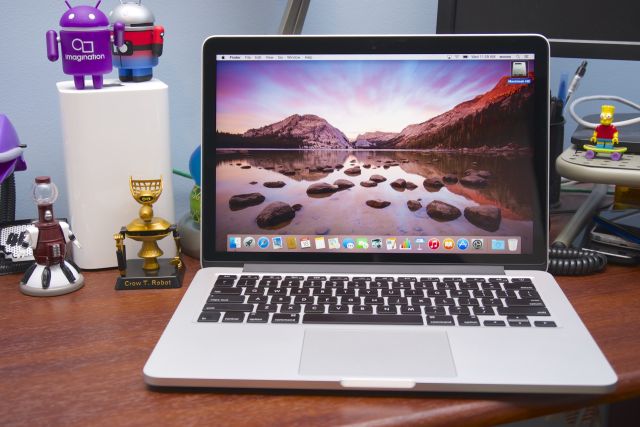
(credit: Andrew Cunningham)

Apple hasn't updated its pro laptop lineup in well over a year, and rumors about refreshed models have been floating around for months. USB Type-C, an OLED touchscreen that replaces the row of function keys, and a thinner design are all expected at this point, and a new report from Bloomberg's well-sourced Mark Gurman reiterates all of those points while offering a couple of new details.

Past reports have suggested that the touchscreen function keys will allow Apple and app developers to offer keyboard shortcuts that change based on what you're doing or what app you're using, and the Bloomberg report offers no new details here. It does, however, say that Apple plans to bring its TouchID fingerprint sensors over to the Mac for the first time, and that "Apple has tested versions of the upcoming laptops that integrate the scanner beside the new function key display." The upcoming macOS Sierra update already allows users to unlock their Macs with their Apple Watches, but a TouchID option would offer easy authentication that didn't require separate hardware.

The report also says that the laptops will be thinner, include slightly larger trackpads, and have smaller footprints than the current MacBook Pros, though they won't switch to a tapered design like the ones used for the MacBook or MacBook Air. As expected, USB Type-C is also on tap, though it's still not clear whether those Type-C ports will also be Thunderbolt 3 ports. Finally, some models will allegedly offer a dedicated GPU option based on AMD's new Polaris architecture. Dedicated GPUs are usually confined to the larger 15-inch Pros, leaving other models to make do with Intel's integrated GPU offerings.

Read 1 remaining paragraphs | Comments