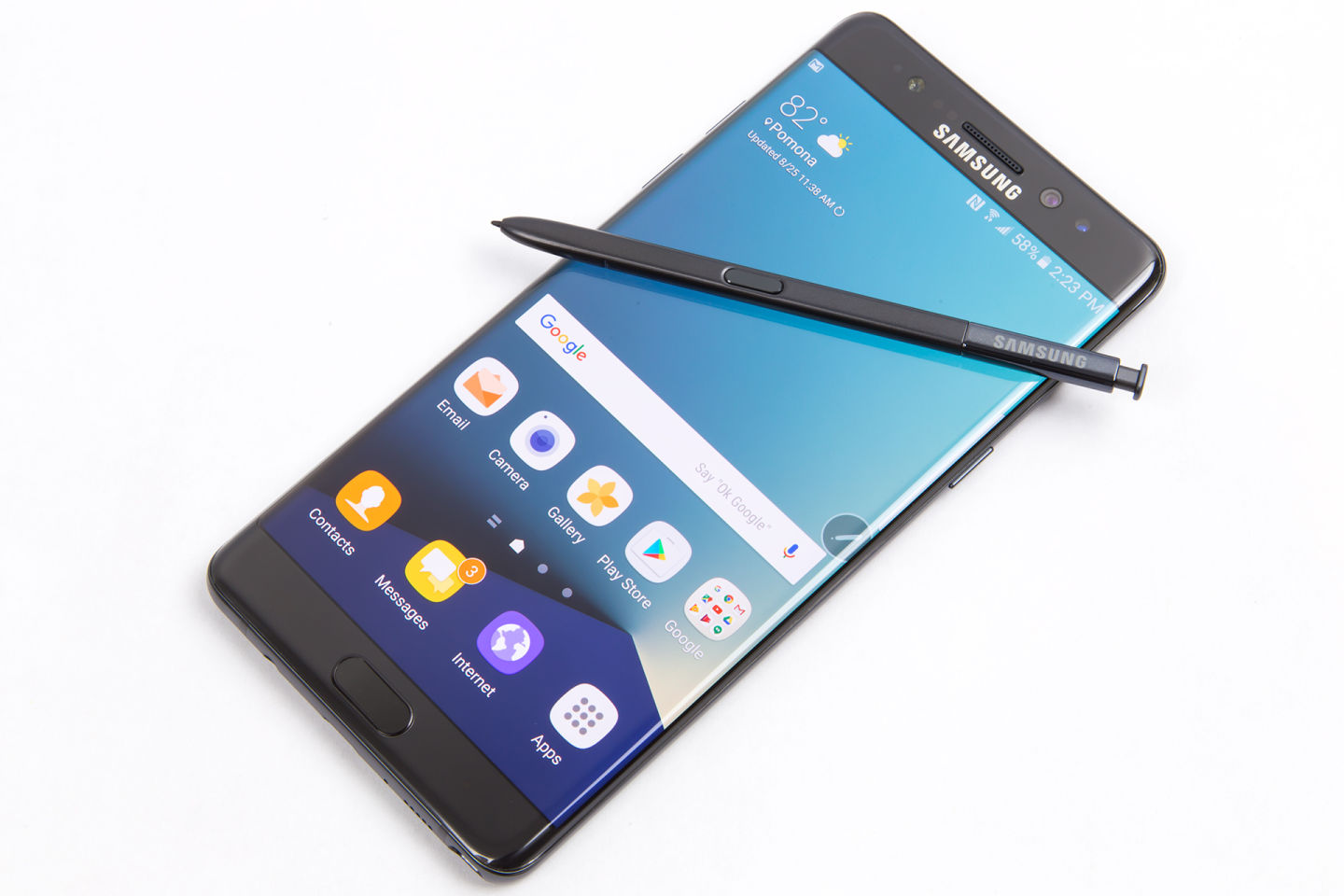
Samsung will recall Galaxy Note 7 because of exploding batteries

Recall affects all 2.5 million units that have shipped so far.

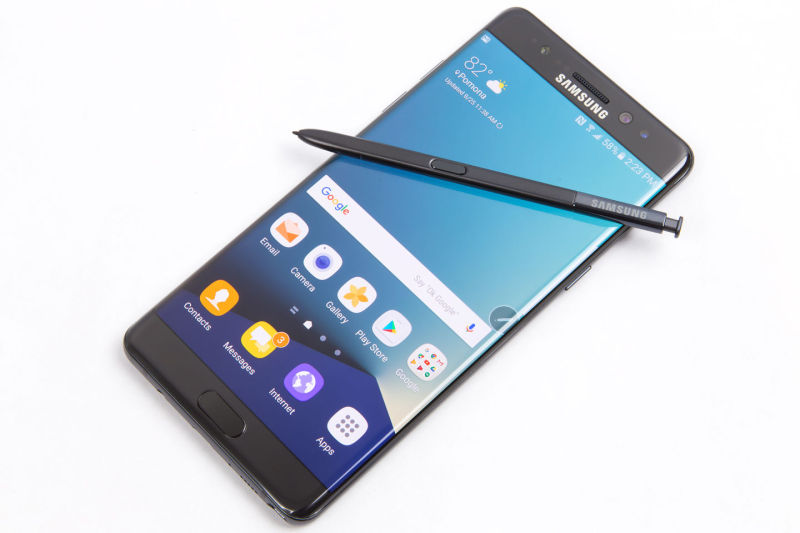
Enlarge / This Galaxy Note 7 is too hot, send it back. (credit: Ron Amadeo)

Looks like Samsung's Galaxy Note 7 can give you some bang for your buck after all—Samsung will be issuing a global recall for all 2.5 million of the phones it has shipped so far, says Reuters. Some of the phones shipped with faulty batteries that could catch on fire. Details of the recall program will be available as soon as Samsung works out the details with different carriers in different countries, and customers will be able to exchange their phones for models with non-faulty batteries or get their money back entirely.

Samsung provided the following statement to Ars and other publications:

"In response to recently reported cases of the new Galaxy Note 7, we conducted a thorough investigation and found a battery cell issue. To date (as of September 1) there have been 35 cases that have been reported globally and we are currently conducting a thorough inspection with our suppliers to identify possible affected batteries in the market. However, because our customers’ safety is an absolute priority at Samsung, we have stopped sales of the Galaxy Note 7. For customers who already have Galaxy Note 7 devices, we will voluntarily replace their current device with a new one over the coming weeks."

The percentage of affected phones is small—estimated at 24 out of every 1,000,000 phones—but Samsung only has one battery supplier in each of the countries in which the phone has shipped. All units could potentially be affected, though the models sold in China apparently include batteries that are unaffected by the flaw.

Read 2 remaining paragraphs | Comments
New OS X security updates patch same zero-days as iOS 9.3.5

Updates come nearly a week after equivalent bugs were patched in iOS.

Enlarge (credit: Apple)

Late last week, Apple released iOS 9.3.5 to patch three zero-day bugs that could be used to access personal data on an infected phone. Dubbed "Trident," the bugs were used to create spyware called Pegasus that was used to target at least one political dissident in the United Arab Emirates.

Today, Apple has released updates for Safari 9 and OS X El Capitan and Yosemite that collectively patch the three "Trident" bugs in its desktop operating system. It's not clear whether the bugs affect Mavericks or any older versions of OS X, but we've reached out to Apple for comment and will update the article if we receive a response.

We've also asked Apple why so many days elapsed between the release of iOS 9.3.5 and the release of the OS X versions of the same patches. iOS 9.3.5 was accompanied by disclosures from Citizen Lab and Lookout, the groups that discovered the bugs. In theory, patching iOS without also patching the equivalent bugs in OS X could leave Mac users more open to attack.

Read 1 remaining paragraphs | Comments

Apple to begin removing old, unmaintained apps from the App Store

Move is meant to improve compatibility and cut down on abandonware.

Enlarge / Apple is cleaning its (app) house ahead of this fall's big releases.

Apple is making a few small tweaks to its App Store Review Guidelines for developers ahead of the release of iOS 10 and macOS Sierra this fall. The changes, which Apple is currently telling registered developers about via e-mail, are meant to cut dead wood out of the App Store and to make it easier for users to find better apps. These are the latest in a series of App Store changes implemented since Apple worldwide marketing SVP Phil Schiller was given the reins back in December of 2015.

The biggest change is that Apple will begin to remove older, outdated apps from the App Store that no longer follow current review guidelines or that haven't been updated to support new APIs or features. Removing old apps will also cut down on the number of apps that haven't been updated for compatibility with newer iOS versions or iDevices.

Apple isn't saying exactly what criteria it will use to remove apps, just that it is "implementing an ongoing process of evaluating apps for these issues, notifying their developers, and removing problematic and abandoned apps." People who have already downloaded these apps will still be able to download them, developers will be given 30 days to issue an update before their app is removed, and if their apps are removed they will still be associated with that developer's account and other developers won't be able to use the names for other apps.

Read 2 remaining paragraphs | Comments
Intel quietly releases “Apollo Lake,” new low-cost chips for cheap PCs

Apollo Lake includes new CPU and GPU architectures for budget PCs.

Enlarge (credit: Intel)

Intel put most of its marketing and PR muscle for IFA this year behind Kaby Lake, the tweaked 4K-friendly version of its flagship Skylake architecture. But you'll only see those chips if you're buying midrange and high-end laptops—slower, lower-end stuff often comes with Celeron and Pentium chips derived from the lower-performance, lower-power Atom chips, and Intel has quietly announced some of those this week, too.

Anandtech has the details on the new 14nm CPUs, dubbed "Apollo Lake." These are a replacement for the Braswell architecture, and they include both the new "Goldmont" CPU architecture and new GPUs that use Intel's Gen 9 integrated GPU execution units (EUs). Gen 9 is the same GPU architecture used in Skylake.

There are a total of six chips, three J-series chips for desktops and three N-series chips for laptops. The key specs are outlined in the table below, but the most important takeaway is that the chips either consume more power or run at lower clock speeds than previous-generation Braswell chips. And at either 6 or 10W, it's worth noting that the chips' TDPs are all higher than the 4.5W Kaby Lake Y-series CPUs.

Read 2 remaining paragraphs | Comments

Why isn’t your old phone getting Nougat? There’s blame enough to go around

Your phone maker, its chipmaker, and Google all share responsibility.

Enlarge / Another Android update means another stack of phones that will never see it.

Not all of the big Android phone makers have announced their plans for the Nougat update, but if you look at Sony’s and Google’s and HTC’s official lists (as well as the supplemental lists being published by some carriers), you’ll notice they all have one big thing in common. None of the phones are more than a year or two old.

And while this is sadly the norm for the Android ecosystem, it looks like this isn’t exclusively the fault of lazy phone makers who have little incentive to provide support for anything they’ve already sold you. Sony, for instance, was working on a Nougat build for 2014’s Xperia Z3 and even got it added to the official Nougat developer program midway through, only to be dropped in the last beta build and the final Nougat release.

After doing some digging and talking to some people, we can say that it will be either very difficult if not completely impossible for any phone that uses Qualcomm’s Snapdragon 800 or 801 to get an official, Google-sanctioned Nougat update (including the Z3). And that’s a pretty big deal, since those two chips powered practically every single Android flagship sold from late 2013 until late 2014 and a few more recent devices to boot.

Read 19 remaining paragraphs | Comments
Google discontinues the Chromebook Pixel 2 without replacing it

Google remains “committed to the Pixel program,” but there’s no replacement yet.

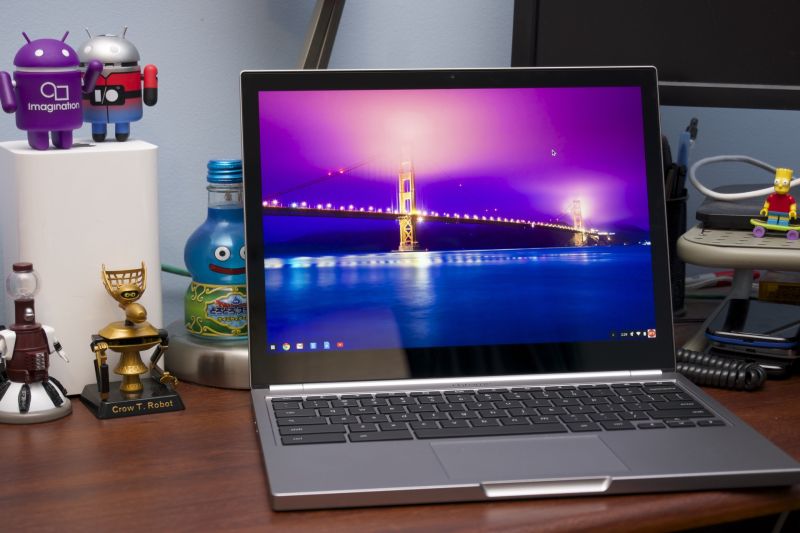
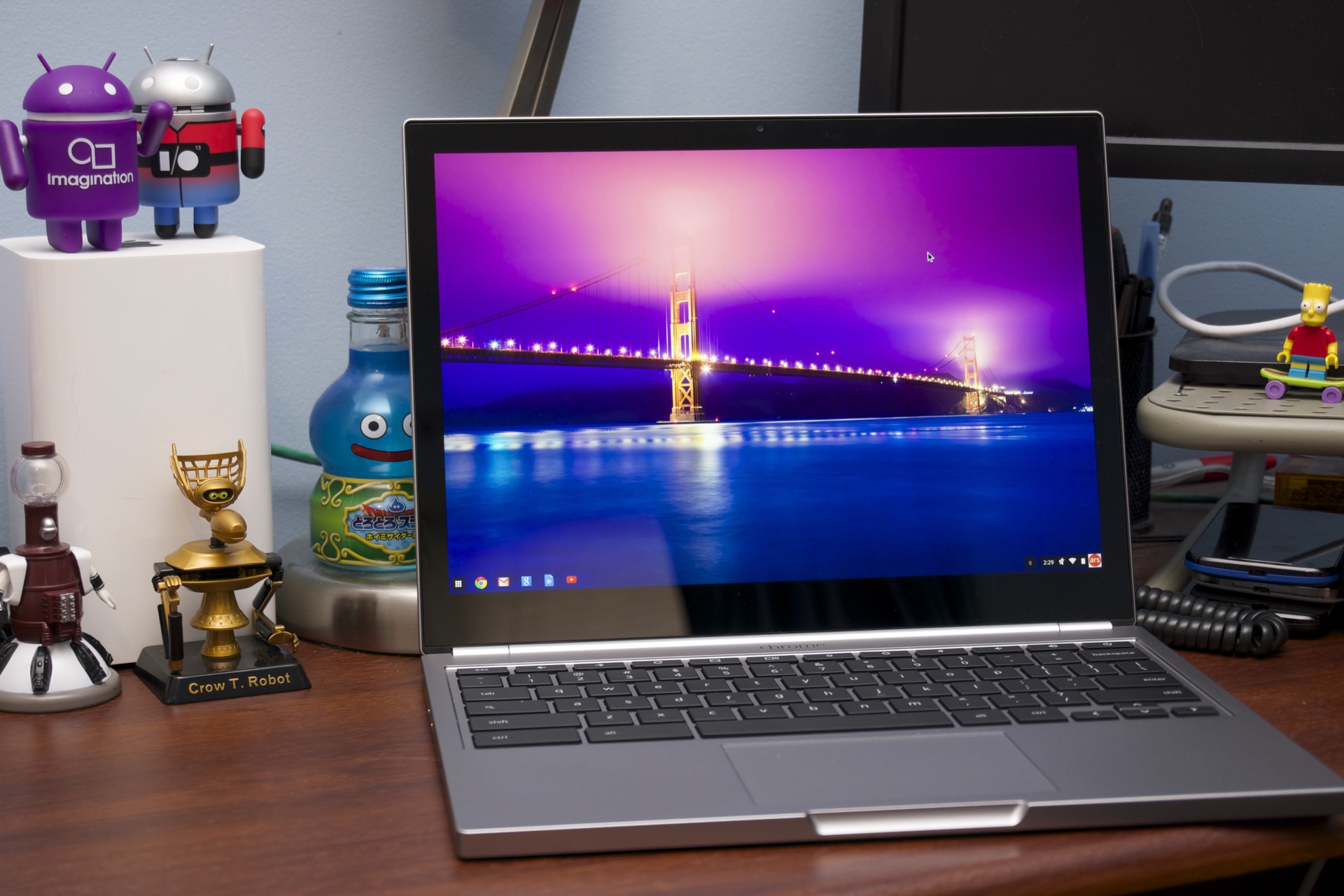
Enlarge / The Chromebook Pixel 2. (credit: Andrew Cunningham)

Since it was introduced in 2013, Google's Chromebook Pixel line has always been an option for people who love Chrome OS and high-quality hardware and aren't worried about paying money to get both. But according to a statement from Google given to VentureBeat, Google has discontinued 2015's Chromebook Pixel 2, and there's no replacement in sight.

“We’re committed to the Pixel program but we don’t have plans to restock the Pixel 2,” a Google spokesperson said.

The team that developed the Pixel and Pixel 2 also designed the more recent Pixel C, an Android tablet that almost definitely began life as a Chrome OS device. It's possible that Google intends to refocus the Pixel brand around Android rather than Chrome OS, given that Android will soon have a very desktop-y windowed multitasking mode. Google is also said to be merging Android and Chrome OS at some point in the future.

Read 1 remaining paragraphs | Comments
Intel unveils Kaby Lake, its first post-“tick-tock” CPU architecture

New 7th-generation Core CPUs have a lot in common with the 6th generation.

Intel’s tick-tock model may be dead, but the PC industry still demands new hardware every year. Many PC models are refreshed once a year or so, and that means that the PC makers need new stuff to put into those computers whether or not the laws of physics want to comply.

Enter “Kaby Lake,” the first of Intel’s post-tick-tock processor architectures. Kaby (rhymes with baby, named for a lake in Canada) first appeared on Intel’s public roadmaps in mid-2015 when the company realized that Cannonlake and its attendant 10nm manufacturing process wouldn’t be ready in time. No major architecture has changed, and Intel is still using a tweaked version of its 14nm manufacturing process, so most changes are relatively minor and built to serve a particular market niche.

Know your codenames
Codename and year Process Prominent consumer CPU branding Tick/tock
Westmere (2010) 32nm Core i3/i5/i7 Tick (new process)
Sandy Bridge (2011) 32nm Second-generation Core i3/i5/i7 Tock (new architecture)
Ivy Bridge (2012) 22nm Third-generation Core i3/i5/i7 Tick
Haswell (2013) 22nm Fourth-generation Core i3/i5/i7 Tock
Broadwell (2014-15) 14nm Fifth-generation Core i3/i5/i7, Core M Tick/"Process"
Skylake (2015-16) 14nm Sixth-generation Core i3/i5/i7, Core m3/m5/m7 Tock/"Architecture"
Kaby Lake (2016-17) "14nm+" Seventh-generation Core i3/i5/i7, Core m3 "Optimization"
Cannonlake (2017?) 10nm TBA "Process"

As usual, Intel is releasing the Kaby Lake processors in waves. Today, we’re getting dual-core low-voltage processors, the kind you’d find in thin-and-light consumer laptops. The first Kaby systems are slated to ship in September, and you’ll see lots of new laptops at IFA next week. Desktop CPUs and other higher-performance chips, including those with Intel Iris GPUs, will be announced in January around CES.

Read 17 remaining paragraphs | Comments
“See you on the 7th”: Apple announces date for new announcements

Apple’s yearly hardware and software blowout is right around the corner.

Enlarge (credit: Apple)

Apple has just send out press invitations for its next product event, which is happening at 10am Pacific on September 7 in the Bill Graham Civic Auditorium in San Francisco. This has become Apple's go-to event space in recent years, replacing smaller venues like the Moscone Center, the Yerba Buena Center for the Arts, and Apple's own town hall event space (the latter of which was officially retired earlier this year when the iPhone SE was announced).

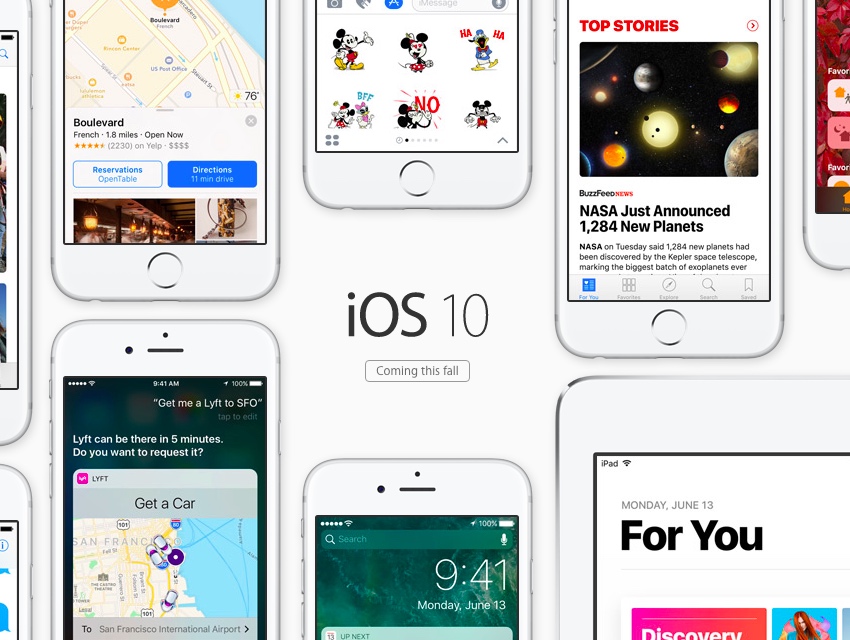
New iPhones are a sure bet for the event—this year's models aren't expected to deviate too far from the existing iPhone 6S and 6S Plus design, but they're said to include better cameras, faster chips, and no headphone jack. Along with that new hardware, we can also expect release date announcements for macOS Sierra, iOS 10, watchOS 3, and tvOS 10.

Other hardware announcements are definitely possible—practically all of Apple's products are a year or more old at this point—but rumors have been less-than-consistent. A new Apple Watch model and new MacBook Pros are on the more likely end of the spectrum, but the larger iPad Pro and most of the Mac lineup are at least a year old, and a few of the Macs are even older. The fourth-generation Apple TV box is around a year old too, but Apple has never updated its set-top box on a regular yearly cadence the way it has with many of its other products.

Read 1 remaining paragraphs | Comments
Apple releases iOS 9.3.5 with “an important security update”

Update fixes three zero-day vulnerabilities called “Trident.”

Enlarge (credit: Andrew Cunningham)

Just a few weeks after posting iOS 9.3.4 to fix a jailbreaking-related bug, Apple has released iOS 9.3.5 to all supported iPhones and iPads. The update provides an "important security update" and comes just a few weeks before the expected release of iOS 10, which is currently pretty far along in the developer/public beta process.

Apple's security release notes say that three bugs have been fixed, two in the iOS kernel and one in WebKit. The bugs were discovered by Citizen Lab and Lookout, the latter of which posted more information in a blog post. Lookout collectively calls the three zero-day vulnerabilities "Trident," and says that they could allow an victim's personal data to be accessed after opening a link sent in a text message. Trident infects a user's phone "invisibly and silently, such that victims do not know they’ve been compromised." We'll have more information about the vulnerability in a forthcoming article.

The update is available now for everything that runs iOS 9: the iPhone 4S and newer; iPad 2 and newer; all iPad Minis and iPad Pros; and the fifth- and sixth-generation iPod Touches.

Read 1 remaining paragraphs | Comments

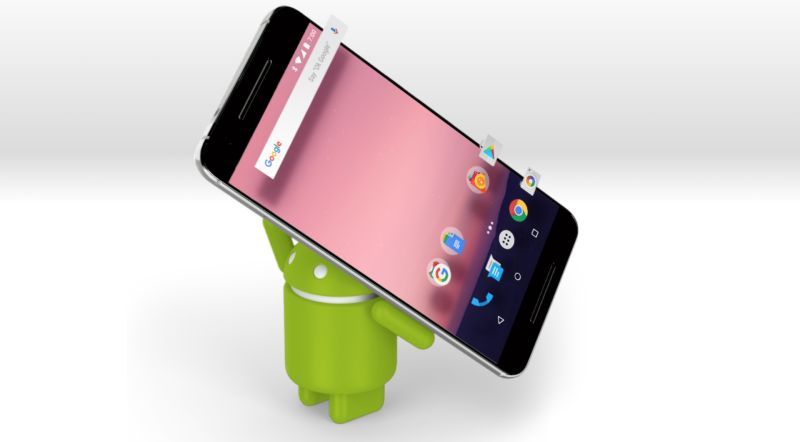
Google begins posting Nexus images for the Android 7.0 Nougat update [Updated]

Google has started posting images for clean installs and upgrade installs.

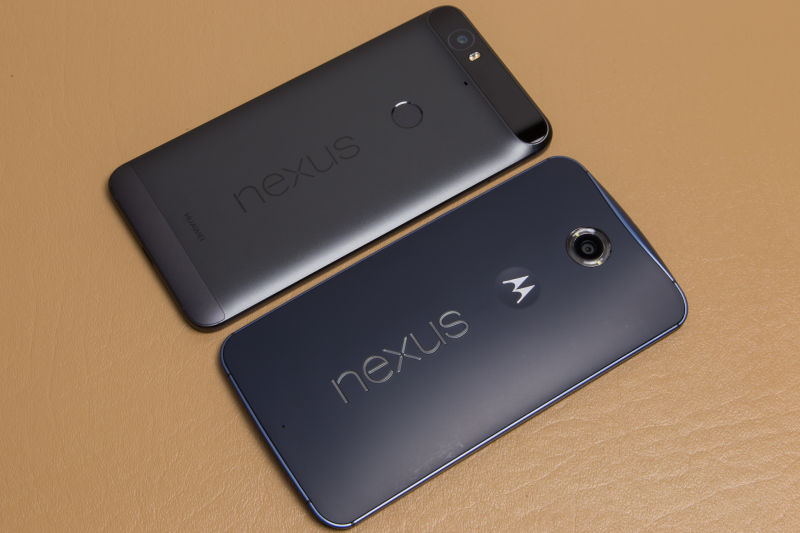
Enlarge / If you're impatient and your Nexus phone or tablet isn't already downloading Nougat, these files can help you out. (credit: Ron Amadeo)

Google released the final version of Android 7.0 Nougat yesterday after months of public beta testing, and people with supported Nexus phones and tablets should all be able to download it soon. But Google favors a staggered rollout for its updates so it can find and squash early bugs, and it may be several days before your phone or tablet actually offers to download and install the update for you.

Impatient early adopters have a couple of options. You can download full system images that require you to wipe your device when you install them or OTA update files that can patch the operating system in place without data loss (the official OTA option is relatively new, and this is the first time Google has offered these downloads for a major update directly).

Both methods require the use of the command line adb and fastboot tools and a little bit of knowhow, and you can follow the directions on those pages if you would like to give it a try. As of this writing, only the Pixel C, Wi-Fi Nexus 9, and Nexus Player files have been posted, but we'll link all the images below as they post for your convenience. These are coming directly from Google's servers, the same as they would if you were using the pages above.

Read 2 remaining paragraphs | Comments