Chrome 50 ends support for Windows XP, OS X 10.6, other old versions

This week’s Chrome release gets serious about ending legacy OS support.

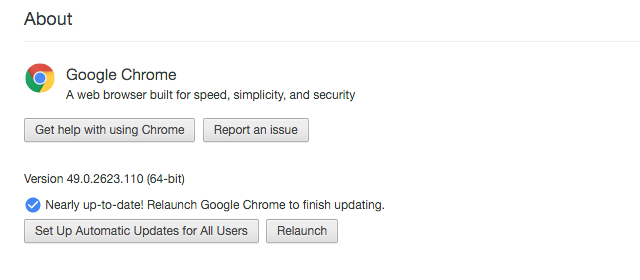
Google Chrome version 50 was released to the browser's stable channel yesterday, and in addition to a handful of new features and security fixes, the update also ends support for a wide range of operating systems that have been supported since Chrome launched on those platforms. Windows XP, Windows Vista, OS X 10.6, OS X 10.7, and OS X 10.8 are no longer supported.

This shouldn't come as much of a surprise, since Google promised last November to end support for these older OS versions in April of 2016. Old versions of Chrome installed on these OSes won't stop working (for now), but they'll no longer receive updates and there's no guarantee that things like Google account sign-in and data syncing will continue to work.

If you're still using one of these operating systems, you have a couple of options. One is to upgrade to a newer OS, assuming your hardware can handle it. Security patches for Windows XP stopped in April of 2014, and patches for OS X 10.6 stopped a few months before that. Updates for OS X 10.7 and 10.8 ended roughly when versions 10.10 and 10.11 were released, respectively, since Apple's unofficial policy is to provide security fixes for the most recent OS X release and the two previous releases. Windows Vista is still getting bare-minimum security patches from Microsoft, but that ends in April of 2017.

Read 1 remaining paragraphs | Comments

Android N’s second preview build supports Vulkan and new emoji

Update also continues tweaking the multi-window API.

Enlarge (credit: Google)

Google has just released the first of several promised updates to the Android N developer preview. Android N Developer Preview 2 makes several major changes to the work-in-progress operating system and also includes bug fixes and tweaks to the new multi-window API.

The biggest addition is support for the Vulkan graphics API, a low-overhead counterpart to OpenGL that's analogous to DirectX 12 in Windows or Metal in iOS and OS X. It also includes support for Unicode 9.0 emoji and redesigns Google's stock emoji characters to make them "more human-looking." Unicode 9.0 is currently in draft, but it should be finalized and released this summer before Android N's final version is available. Finally, Google has added something called "launcher shortcuts," which use Intents to create shortcuts to specific in-app activities like navigating home in Google Maps or sending messages to specific people.

The Android N preview is available for the Nexus 6, 5X, 6P, and 9, the Pixel C tablet, and the General Mobile 4G; an update for the Nexus Player version of the N preview will be available soon. Those of you running Marshmallow on a supported device can update over the air by enrolling in the Android beta program, or you can flash an operating system image to your device manually. If you're already running the first developer preview, your device should receive an over-the-air update "shortly."

Read 1 remaining paragraphs | Comments
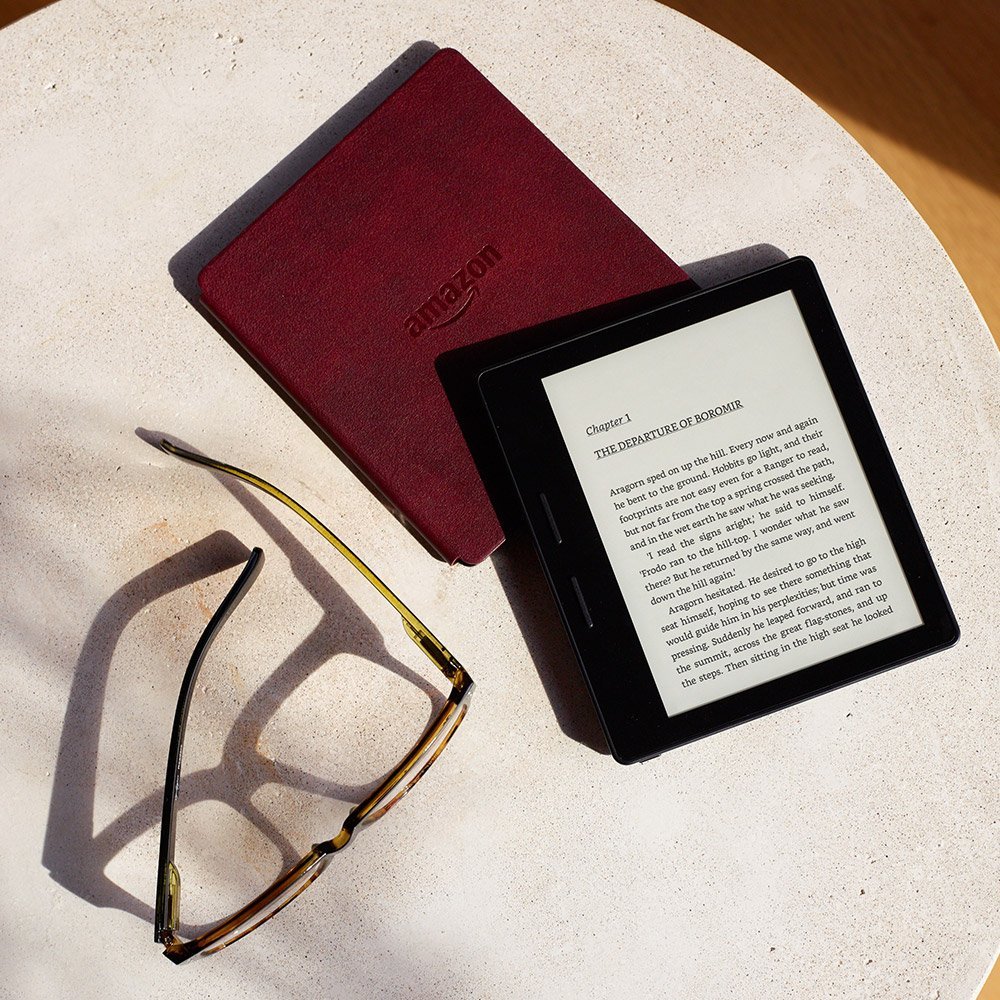
Amazon’s redesigned Kindle Oasis reader costs a whopping $290

Ultra high-end e-reader lasts for eight weeks with its (included) battery case.

The new Kindle that Amazon CEO Jeff Bezos teased last week has been officially unveiled, and it's not a replacement for the expensive Kindle Voyage but rather an even more expensive reader called the Kindle Oasis. The $290 device ($310 without Special Offers, $360 with optional free 3G service) is available for preorder now and customers will begin getting them on April 27th.

All recent Kindles have been riffs on the same basic design, a 6-inch touchscreen surrounded by symmetrical bezels. That design slowly replaced the old QWERTY keyboard non-touch versions starting around 2011 or so and had completely replaced the keyboarded Kindles by the time the Kindle DX was retired a couple of years later. The Oasis changes things up again, switching to an asymmetrical design that you flip over if you want to switch the hand you're holding it in; there's also a raised bump on the back to make holding the reader more comfortable. At its thinnest point, the reader is 0.13 inches (3.4mm), the bump is 0.33 inches (8.5mm) thick, and the reader weighs 4.6 ounces (131g).

One downside of that lighter, thinner design is that the Oasis by itself won't last as long as the other Kindles—Amazon says it will last about two weeks on a charge rather than a month. The good news is that the Oasis' included charging cover allows it to last for another six weeks for a total of two months of battery life. The cover comes in black, "merlot," and "walnut" finishes, and it adds a further 3.8 ounces (107g) to the total weight of the reader.

Read 4 remaining paragraphs | Comments

USB-IF battles malware and bad chargers with Type-C Authentication spec

Spec will verify the capabilities and certification status of accessories.

So far, adoption of the versatile, reversible USB Type-C connector has been going pretty well. It's hardly universal, but it's showing up in an increasing number of smartphones and laptops, and the number of cables and other accessories that support it is slowly growing. One of the problems that has emerged as the port has grown in popularity is non-compliant cables and power adapters, accessories that look like they ought to work but might actually end up frying the device they're plugged into.

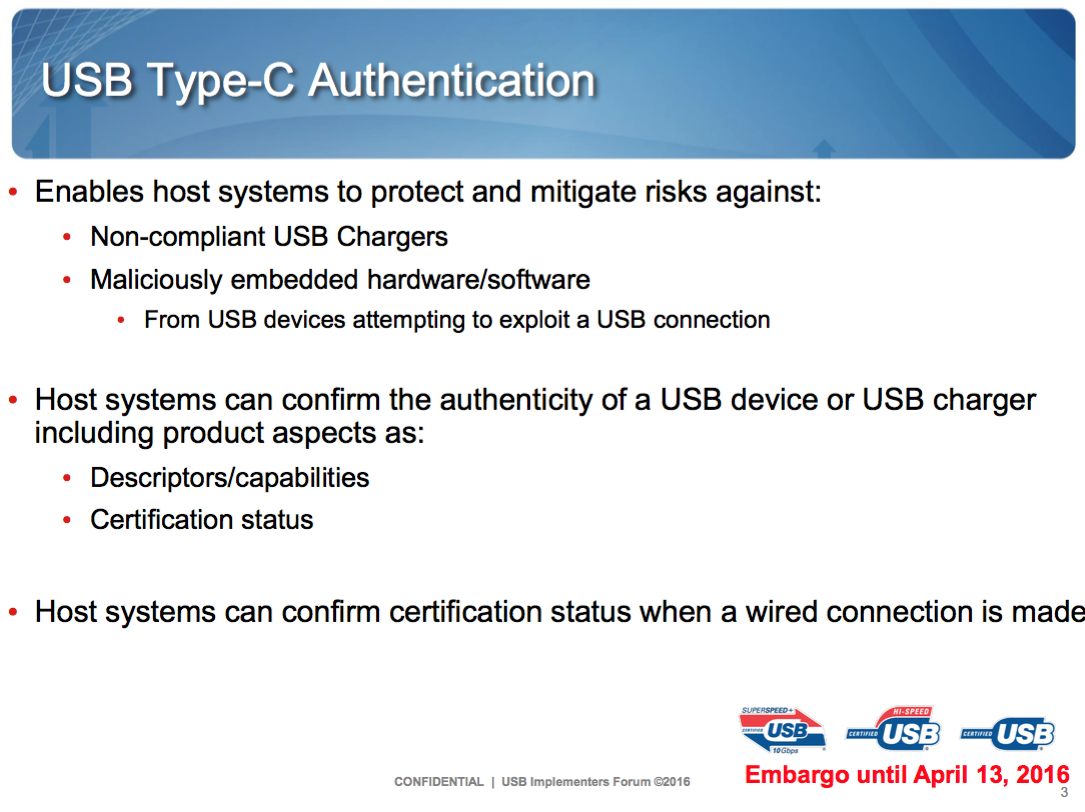
That's one of the problems the USB-IF is trying to solve with the USB Type-C Authentication specification, announced today at the Intel Developer Forum in Shenzhen, China. When you connect a power adapter, cable, or accessory that supports the specification into a host device (like a phone or laptop) that supports the specification, the host device can verify the accessories capabilities and whether the accessory has been fully certified by the USB-IF. This information is transmitted to the host using 128-bit encryption before an actual data or power connection is established, and the specification is designed to work even if your charger and cable are only providing power and not a data connection.

We've already seen some companies make USB Type-C chargers that don't work universally with all USB Type-C devices, as outlined in this PC World article from late last year. A supplemental specification that makes verifying the capabilities of chargers easier should hopefully put a stop to this sort of thing. The USB-IF also continues to encourage OEMs and accessory makes to use the various USB logos to clarify the capabilities of their devices, though the use of those logos on actual real-world devices is hit-or-miss at this point.

Read 3 remaining paragraphs | Comments

iZombie is the zombie-themed police procedural show you need to be watching

The CW’s genre-hopping show from the creator of Veronica Mars is a lot of fun.

Enlarge / Rose McIver as Liv Moore in the CW's iZombie. (credit: The CW)

Comic book-themed TV and movie fatigue is real, and I suffer from it big time. I tried very hard to like Jessica Jones and failed. I have nothing to give your Daredevils and your Gothams and your The Flashes but a gigantic Liz Lemon-class eye-roll. I can’t even say I “hate” them because “hate” still requires some modicum of emotional investment.

So imagine my surprise when I found a comic-book-derived show that I actually love: The CW’s iZombie, which is currently nearing the end of its second season. Created by Veronica Mars’ Diane Ruggiero-Wright and Rob Thomas, the show is loosely based on the 28-issue Vertigo comic of the same name and admirably juggles the reliability and predictability of a crime-of-the-week police procedural with a multithreaded serial.

The show’s name sells it short, so here’s the expanded premise: young doctor Liv Moore (Rose McIver) has a great job and a great fiancé (Major Lilywhite, played by Robert Buckley) and everything is going great! But one night, against her better judgment, Liv decides to put herself out there and socialize; she’s on a party boat when an apparent zombie outbreak kicks off, infecting her and radically altering the course of her life.

Read 7 remaining paragraphs | Comments

Sorry, Everyone: The iPhone SE is an apology to big-phone haters everywhere

Review: There’s not much that’s “new,” but that’s not what this phone is about.

Here at Ars, one of the things we like to focus on in reviews is new technology. There are a few reasons: new stuff draws readers, new stuff is fast and shiny, and new stuff points the way to where technology is headed.

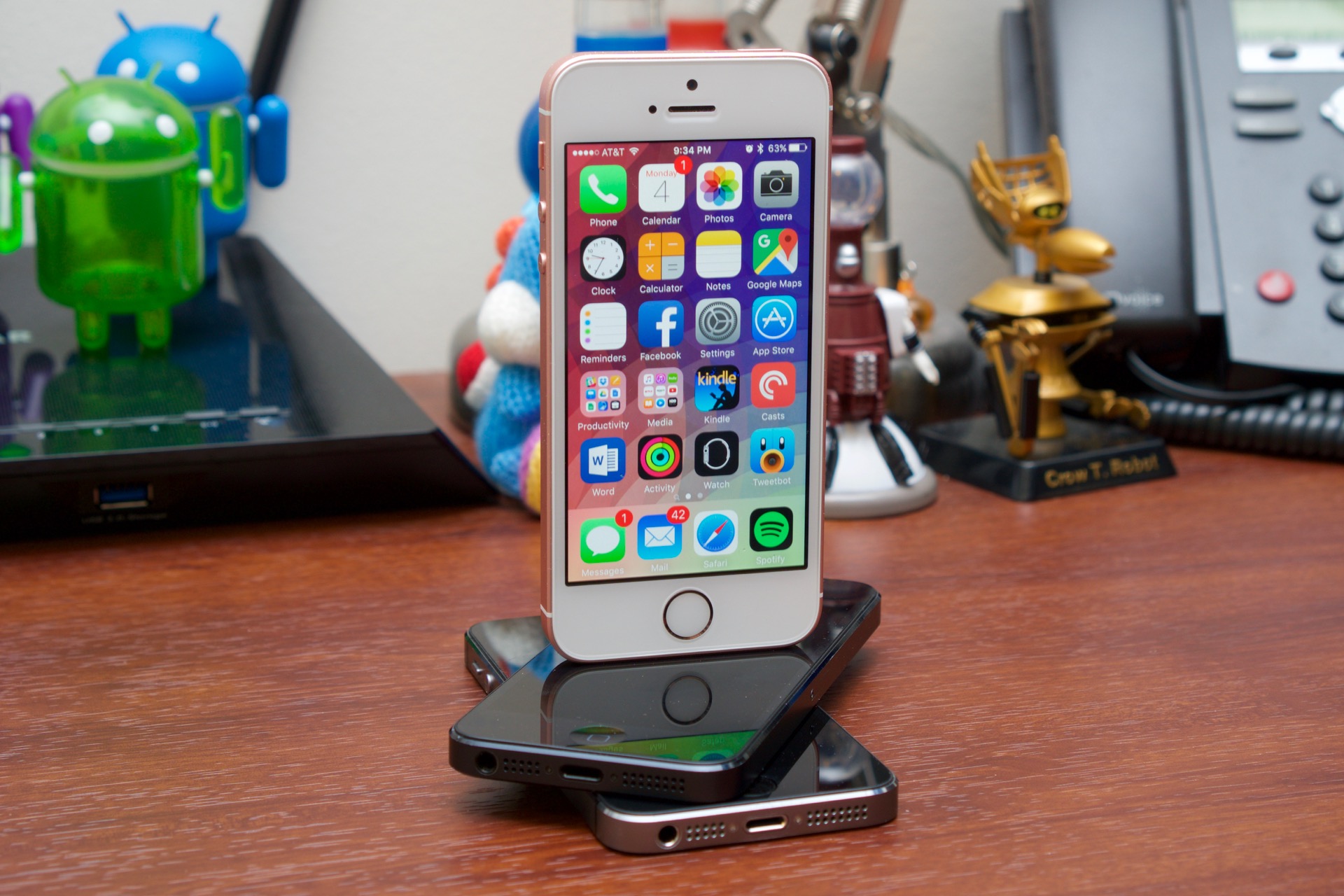
The thing about the iPhone SE is that there’s basically nothing that’s new about it. It’s a four-year-old phone design filled with six-month-old parts, and it’s the rare product that amounts to exactly the sum of its parts. You could almost write a review of it without laying hands on it.

So we’ll spend a little time with the tech inside, but this review is going to focus primarily on the Big Questions: Who should buy this? Why should they buy it? Who shouldn’t buy it? And where does it fit into Apple’s Grand Plan for the iPhone?

Read 24 remaining paragraphs | Comments

Amazon will unveil an “all-new, top of the line Kindle” reader next week

New e-reader will presumably replace the $200 Kindle Voyage.

Amazon has been focusing its efforts on the tablet, TV, phone, and digital personal assistant markets for the last few years, but the company has never forgotten its quietly competent lineup of dedicated Kindle e-readers. Today, Amazon CEO Jeff Bezos took some time off from running his newspaper and shooting things into space to announce that there will be an "all-new, top of the line" eighth-generation Kindle announced next week. Consider this an announcement of the announcement.

Amazon's current flagship Kindle is the Kindle Voyage, a very nice but very expensive $200 gadget with an auto-brightness sensor and a tablet-y design. The new model will presumably replace the Voyage instead of the more sensible $120 Kindle Paperwhite, but we'll have to wait until next week to hear more details and news about pricing and availability.

If you want a good dedicated e-reader and don't really care about having the latest and greatest features, Amazon is currently offering big discounts on current-generation Kindles for Amazon Prime members. The $200 Voyage is being offered for $150, the $120 Paperwhite is being sold for $90, and the $80 standard Kindle is being sold for $50.

Read on Ars Technica | Comments

iFixit: The iPhone SE and iPhone 5S share many identical parts

The design is the same, sure, but many of the parts are actually interchangeable.

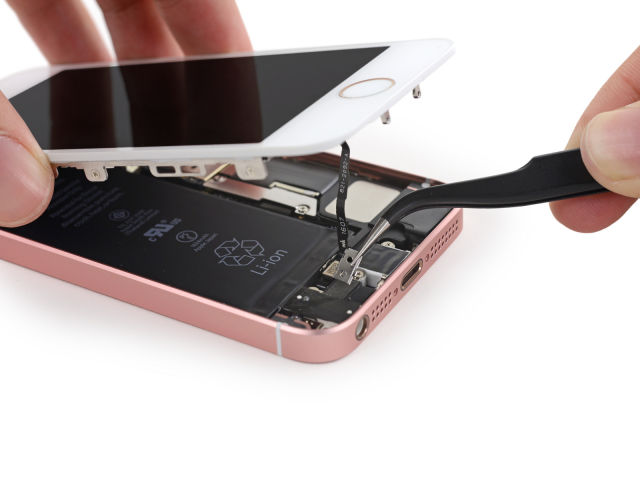
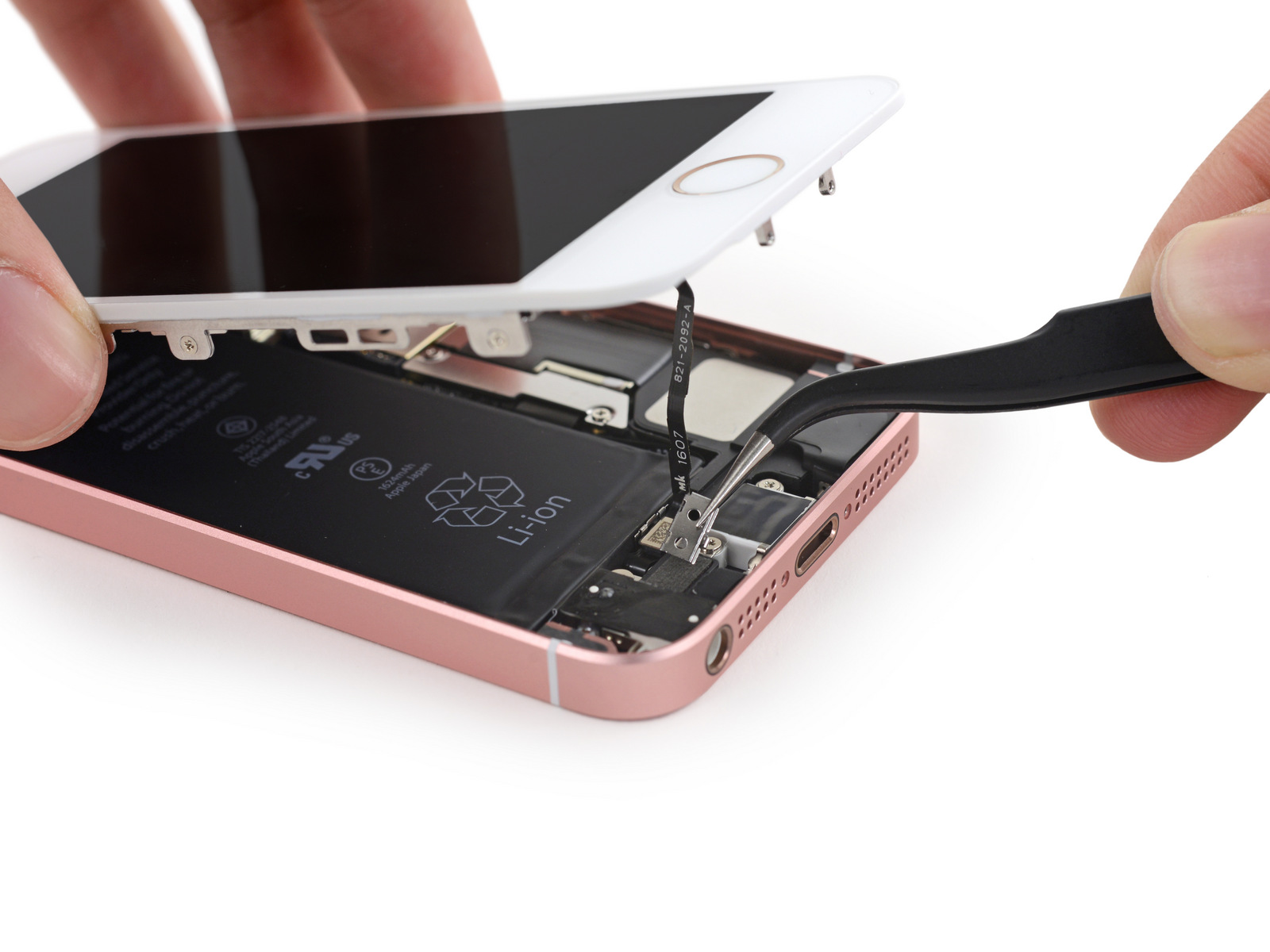
Enlarge / iFixit cracks open the iPhone SE. (credit: iFixit)

iFixit completed its customary teardown of Apple's latest iPhone yesterday, and it turns out that the similarities between the iPhone SE and the iPhone 5S don't stop at the design. Most of the repair procedures for the new phone are substantially identical to the procedures for the old phone, and in fact the two share a number of identical components: the entire display assembly—including the LCD and digitizer, front camera, earpiece speaker, and proximity sensor—is interchangeable, as are the speaker assembly, vibration motor, and SIM tray.

The shared components mean that shops already set up to repair the iPhone 5S should have no problem repairing the SE, and that you should have no problem finding compatible components from iFixit or other sources for do-it-yourself repairs. One major exception is the battery, which uses a different connector than the one in the 5S—you'll need to buy a SE-specific battery to repair the SE, and you can't give your 5S a minor battery boost by replacing its 1560mAh battery with the SE's 1624mAh version (it's only a four percent increase—you'll live).

It also highlights one of the downsides to buying an SE: the display panel is exactly the same as the one in the 5S, which means no improvements to brightness, color gamut, contrast, or any of the other small advancements Apple worked into the iPhone 6 and 6S. It's not that the 5S/SE display is bad, it just isn't as good as what you'll get in the flagships.

Read 1 remaining paragraphs | Comments
Intel’s new Broadwell Xeon server CPUs offer up to 22 cores per socket

$4,115 top-end chip is joined by 26 other server CPUs for all kinds of use cases.

Intel's mainstream consumer processors are mostly of the dual- and quad-core varieties, but the server CPUs go much higher than that. Case in point: the most expensive member of the new Broadwell-based Xeon E5-2600 v4 family has a whopping 22 cores running at 2.2GHz—and all of that fits in just one processor socket.

The new 22- and 20-core CPUs offer more processing power for heavily parallelized workloads than the older Haswell-based CPUs, which topped out at a mere 18 cores per socket in the same 145W power envelope (at least, if you can afford to pay $4,115 or $3,226 for them, respectively).

The full lineup, available below, includes 27 CPUs for a variety of different use cases. There are 4, 6, 8, 10, 12, 14, 16, and 18-core versions you can buy for dual-socket servers based on your needs and your budget. There are "frequency optimized" versions with lower core counts but higher clock speeds if you have got a lot of single-threaded workloads that won't benefit from a ton of cores. And there are some low-power versions available if power consumption is more important than raw performance.

Read 2 remaining paragraphs | Comments
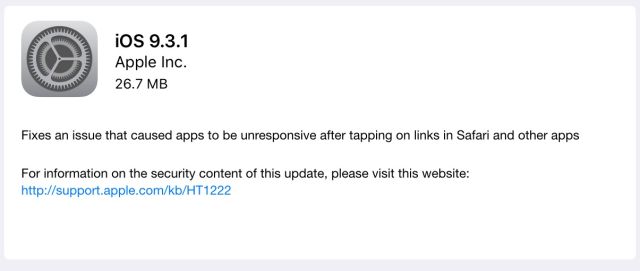
Apple releases iOS 9.3.1 with fix for link bug

Poorly behaved apps unmasked bug that could cause crashes and unresponsive news.

(credit: Andrew Cunningham)

Apple today released iOS 9.3.1 to fix a bug that could cause tapping links to stop working in Safari and other apps. The problems were caused by certain apps with poor implementations of the "Universal Links" feature introduced in iOS 9, as we detailed earlier this week.

If you're using an older iDevice and hadn't already updated to iOS 9.3, version 9.3.1 should also include a fix for an issue where certain devices couldn't be activated and used if the user had forgotten his or her iCloud password. Apple released a new build of iOS 9.3 earlier this week to fix the problem, though it didn't bump up the version number of the operating system.

The update contains no other major changes. It's available for all devices that support iOS 9, including the iPhone 4S and newer; iPad 2 and newer; all iPad Minis and iPad Pros; and the fifth- and sixth-generation iPod Touches.

Read on Ars Technica | Comments