Liveblog: Apple’s Q2 2016 earnings call starts at 2pm PT/5pm ET

Apple is expected to report its first year-over-year decline since 2003.

iPhone sales account for a huge chunk of Apple's revenue, so slower iPhone sales means a lot less revenue. (credit: Andrew Cunningham)

Apple will report its earnings for the second quarter of fiscal 2016 at 5pm EDT/2pm PDT/10pm UK, and as usual Senior Technology Editor Lee Hutchinson and I will be following along with the call and providing charts and commentary. Apple is expected to report its first year-over-year revenue decline since 2003, mainly due to lower iPhone sales.

Apple's own forecasts predict revenue between $50 billion and $53 billion, well short of the $58 billion it earned in Q2 of 2015 though still higher than the $45.6 billion in revenue it earned in Q2 of 2014. The outsized success of the iPhone 6 and 6 Plus last year set a tough benchmark for the company, and pent-up demand for the larger phones left over from Q1 of 2015 also made Q2 sales higher than they may otherwise have been. A slowing economy in China, Apple's fastest-growing market, could also affect growth this quarter, while increased pressure from the Chinese government could impact future growth.

Apple introduced a handful of new products in the second quarter, which runs from the beginning of January to the end of March, but they were all introduced late enough in the quarter that we won't know how much of a difference they made until next quarter. New devices include the iPhone SE and 9.7-inch iPad Pro, though price drops for the iPad Air 2 and a new capacity for the 12.9-inch iPad Pro could conceivably shore up the perennially backsliding iPad sales.

Read on Ars Technica | Comments

Game of Thrones season premiere underscores show’s lack of focus

GoT has time to check in with most of its characters, but not much else.

Enlarge / Oh, Tyrion. I'm worried, too. (credit: HBO)

Spoiler alert: The below contains heavy spoilers for the Game of Thrones season six premiere and the entire series to date. If you haven’t watched and want to go in fresh, stop reading now.

Though Game of Thrones has earned a reputation for its top-billing-can’t-keep-you-safe unpredictability, the season six premiere last night did what every Game of Thrones premiere has done. It’s a sweeping check-in on the characters who are still standing and a chance to resolve most of the major cliffhangers from last year. Only once that's done do we begin the arduous table-setting process for what we hope are the more action-heavy episodes that typically hit around the middle and end of the season.

So let’s remember where everyone was at the end of last year:

Read 10 remaining paragraphs | Comments

Review: The 2016 Retina MacBook is a faster version of the same machine

Improved CPUs, GPUs, and SSDs are all welcome, but the core compromises remain.

Designing a portable gadget is all about compromise. The main tension is between power and portability: how light can I make this phone without making it unacceptably slow or killing battery life, and how fast can I make this laptop without making the battery and necessary heatsinks and fans too large to comfortably carry around?

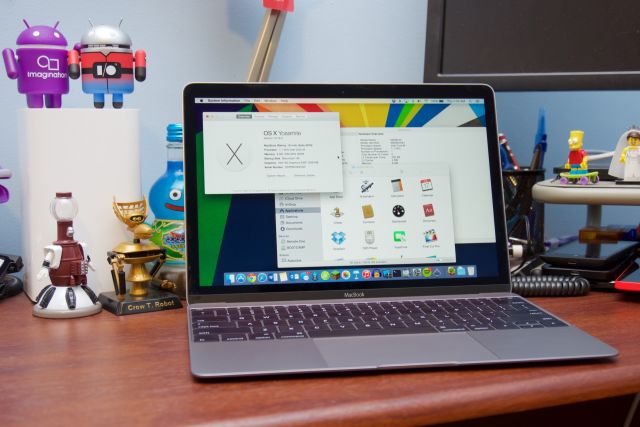
Every laptop you can buy exists somewhere on this spectrum, and the new version of Apple’s Retina MacBook still prioritizes portability over pretty much everything else. At two pounds, it’s one of the thinnest, lightest full-fledged laptops you can buy today. But to achieve that feat, Apple uses low-voltage processors, offers a super-shallow keyboard and trackpad, and sheds all but one of this laptop's ports (headphone jack excepted).

It’s not a laptop for everyone. It’s not going to make every MacBook Air and Pro user happy. It probably won’t make most people who disliked the 2015 MacBook happy. But for OS X users who value portability over all else, it’s a decent generational bump that gets you more speed for the same price.

Read 37 remaining paragraphs | Comments

NYT: China bans Apple’s iBooks and iTunes Movies stores

Ban comes about six months after the services were introduced in the country.

Enlarge / iBooks and iTunes Movies have apparently been banned in China. (credit: Apple)

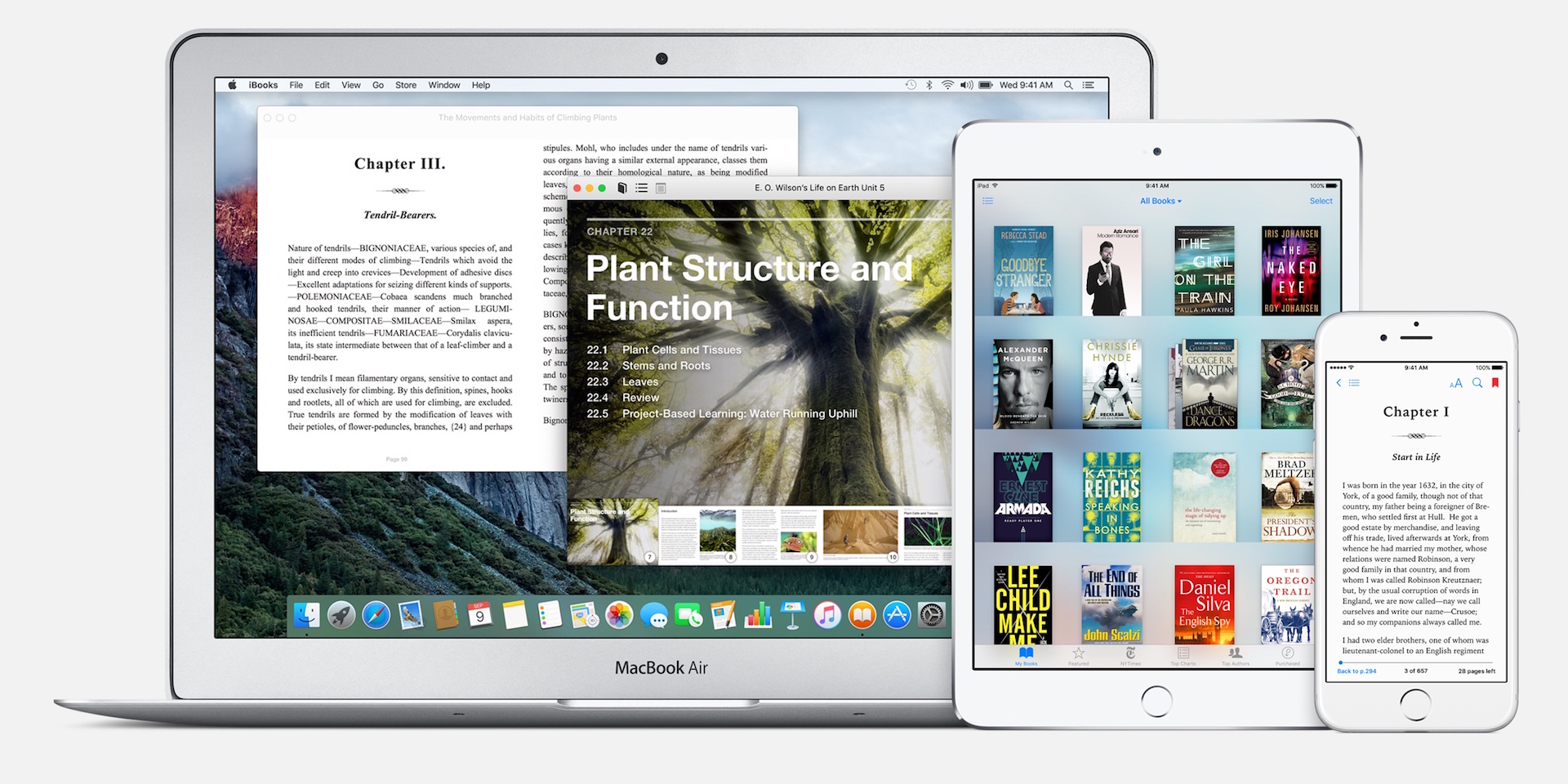
Apple's iBooks and iTunes Movies stores were shut down in China last week, according to a new report from The New York Times. The country's State Administration of Press, Publication, Radio, Film, and Television closed the stores just six months or so after they launched with the government's blessing. Services like Apple Pay and Apple Music are still operating for now, and an Apple spokeswoman told the Times that Apple "hope[s] to make books and movies available again to our customers in China as soon as possible."

The Chinese government is known both for its control and censorship of media and for favoring Chinese tech companies over American ones, something that has hurt sales for the likes of IBM, Qualcomm, and Microsoft. Apple has expended a lot of effort in the last few years to improve its sales in China, most notably inking a high-profile deal with China Mobile that brought the iPhone to China's largest wireless carrier in early 2014.

China is currently Apple's second-largest market after the Americas, and for several quarters it has been by far the fastest-growing territory in which Apple does business. Any moves by the Chinese government to make Apple's platforms less appealing could hurt Apple's growth in a year where iPhone sales are already expected to be flat.

Read on Ars Technica | Comments
A year with the Apple Watch: What works, what doesn’t, and what lies ahead?

Some features are more useful than others, and there’s lots of room to improve.

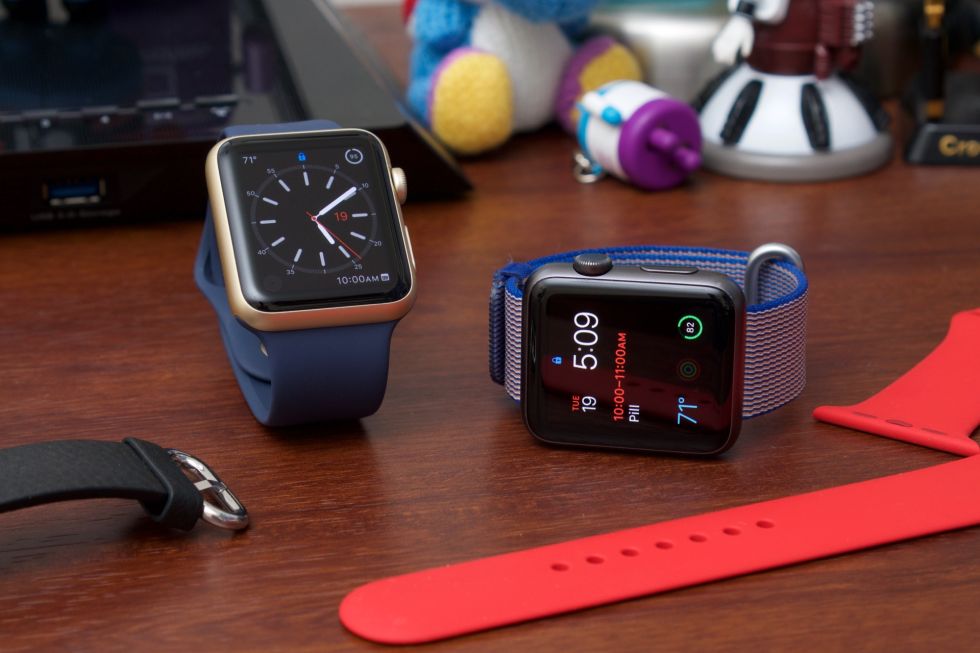
Enlarge / The Apple Watch is turning one. How has its first year treated it? (credit: Andrew Cunningham)

About a year ago, Apple announced and released its first Apple Watch. The long-rumored product was Apple’s first all-new product category since the iPad and its first under CEO Tim Cook. To say that expectations were high would be an understatement.

To date, we don’t really know much about how the Apple Watch has sold—Apple folds it into the “Other products” category along with the iPod, the Apple TV, Beats headphones, Airport routers, iPhone and iPad cases and covers, and whatever other little odds and ends the company sells. While revenue for that category has increased year-over-year by a significant margin since the Watch was introduced, the only thing we can really infer from that fact is “someone somewhere must be buying Apple Watches.”

However well it's selling, Apple's strategy with new products is to release them and then iterate continuously, working until all of the biggest complaints about the first-generation model have been addressed (or until people have forgotten about them or moved on to something else). After a full year of wearing the Apple Watch every single day, it's time to revisit the hardware, software, and some things I looked at in our original review to see where the platform is and where I think it ought to go in the next year or two.

Read 41 remaining paragraphs | Comments

Apple spruces up its one-ported MacBook with Skylake and rose gold

Present: Skylake, more battery, faster storage. Missing: Thunderbolt, more ports.

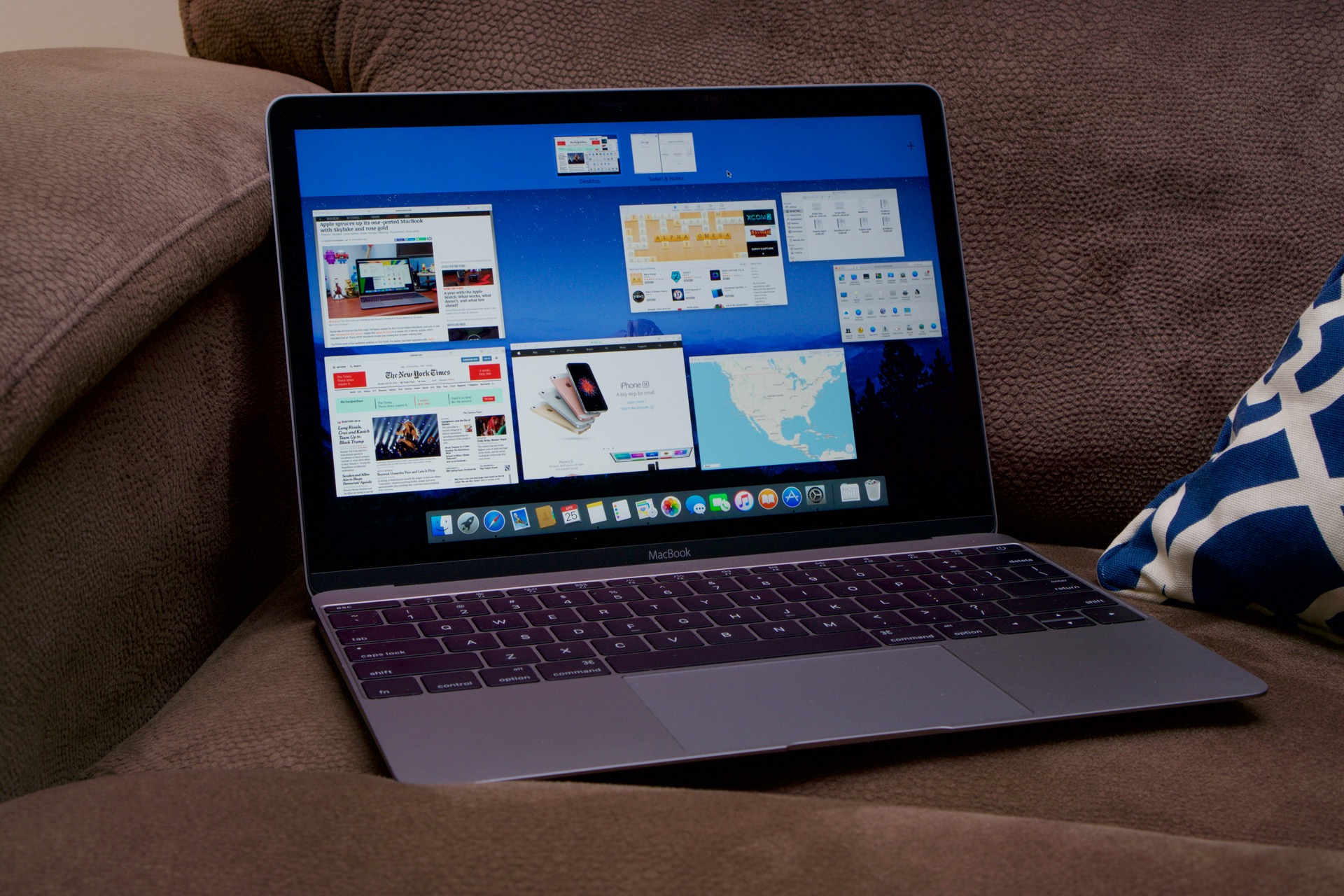
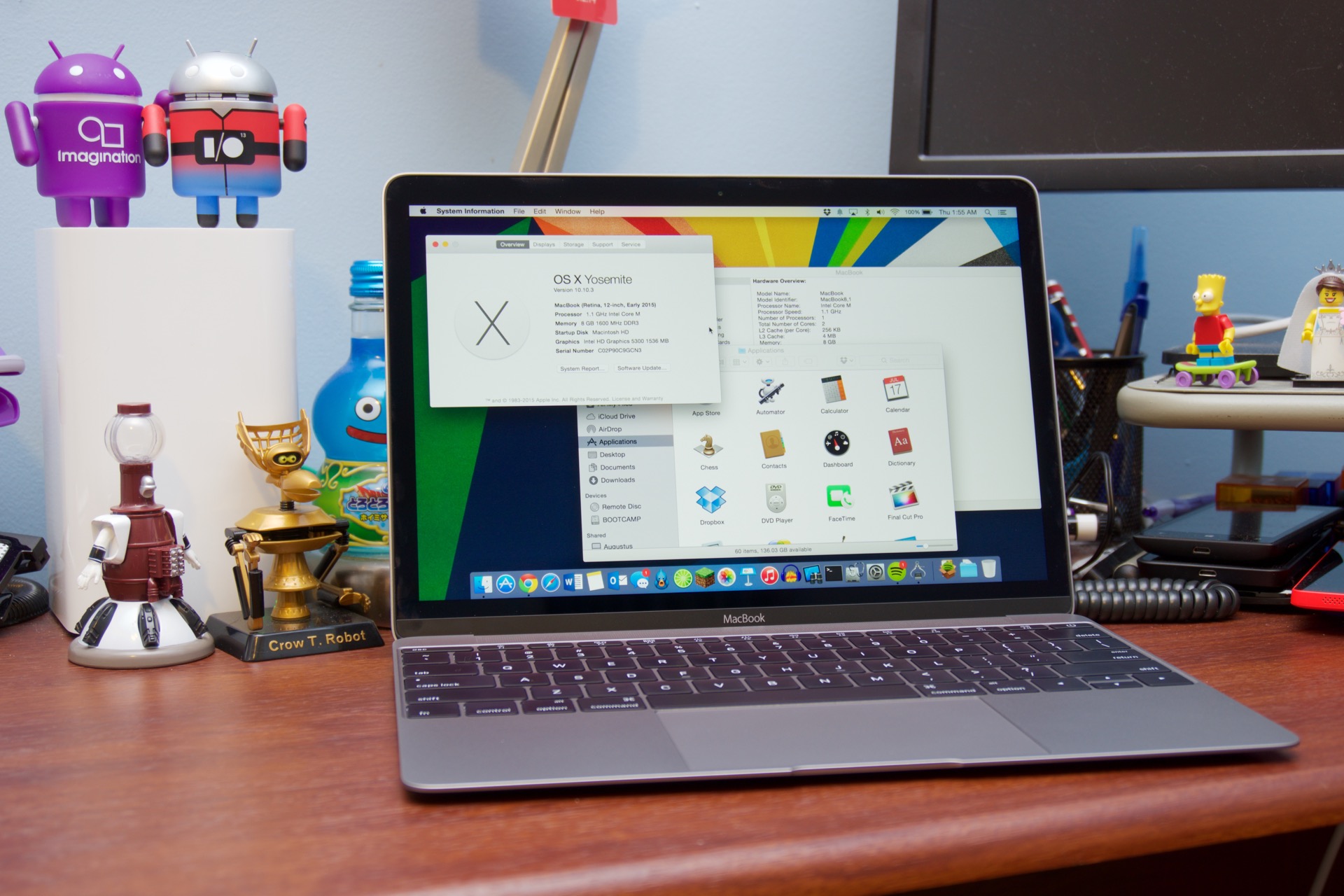
Enlarge / Yes, this is last year's MacBook, but this year's MacBook is mostly different on the inside. (credit: Andrew Cunningham)

Apple has announced the first major hardware update for the 12-inch Retina MacBook, just over a year after releasing the first version. Apple first tipped its hand in a recent OS X Server update, which indicated that an "Early 2016" MacBook model was coming but revealed nothing else.

You'll find most of the hardware updates on the inside: the laptop has been upgraded with Intel's Skylake Core M processors, which consume roughly the same amount of power but improve CPU and GPU performance. Apple says the laptop's storage should be slightly faster and that it picks up an extra hour of battery life. And a new rose gold finish joins the space gray, silver, and gold options, following in the footsteps of the iPhone 6S, 9.7-inch iPad Pro, Apple Watch, and iPhone SE. Otherwise this laptop looks mostly the same as its predecessor. It has a 12-inch 2304×1440 Retina display and uses a low-travel keyboard and Force Touch trackpad to make the system as thin as possible. The MacBook is 0.14 inches (3.5mm) at its thinnest point and 0.52 inches (13.1mm) at its thickest, and it weighs just over two pounds (0.92kg). The Core M CPUs mean that there's no fan, so like an iPad or iPhone the system will never make noise no matter how hard you're pushing it.

If you were hoping for updated ports on this year's model, you'll be disappointed. The MacBook still uses a single USB Type-C port for everything from charging to data to display output to docking, and Apple hasn't updated the computer with Thunderbolt 3. This is surprising, since Apple has been a big booster of Thunderbolt since its first iteration, and the new version uses the same USB Type-C port. Some PC makers are even offering it in laptops similar to the MacBook in size and weight. We'll have to hope Apple adds it in a future update.

Read 4 remaining paragraphs | Comments

WWDC 2016 runs June 13-17, according to Siri

Apple still hasn’t made the official announcement, but we’d trust Siri on this.

Enlarge / Siri! Shhhh!! (credit: Andrew Cunningham)

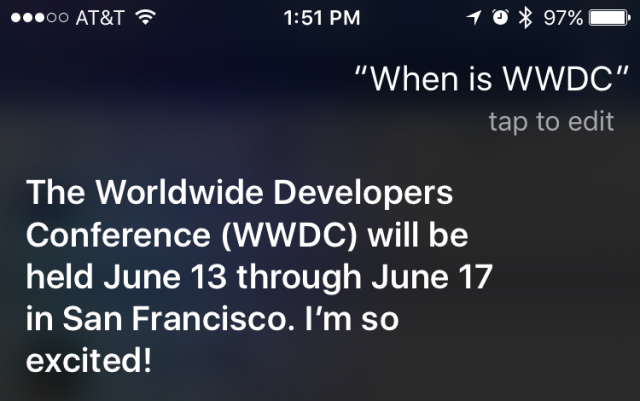
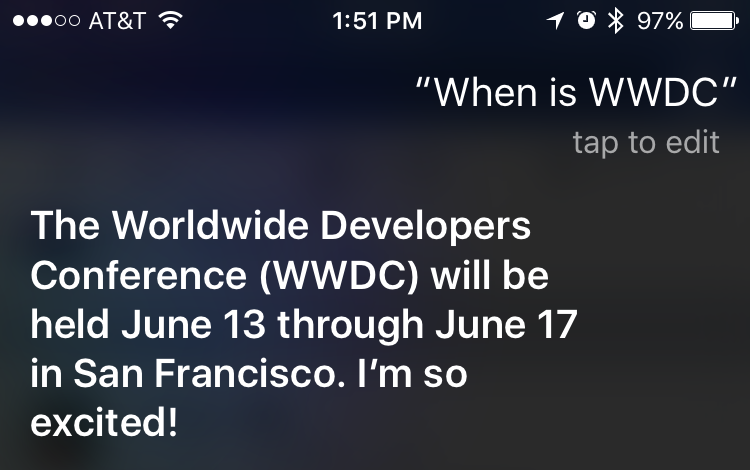
Apple hasn't officially announced the dates for this year's Worldwide Developers Conference yet, but Siri seems to blab if you ask. Apple's personal assistant says that WWDC will run from June 13 to June 17 in San Francisco. The location hasn't been confirmed, but the conference has historically been held at the Moscone West event space downtown.

The official WWDC site hasn't been updated with the new information and there's no way to register to buy tickets yet, but if Siri is telling people the date, we'll probably get more information soon.

Apple has historically used its opening-day WWDC keynote to show off new OS X and iOS versions, and watchOS was added to the rotation last year. We may see a next-generation version of tvOS, too, now that the Apple TV is a full-fledged platform unto itself. Rumors haven't told us much of what to expect, but OS X may end up getting Siri and a "MacOS" branding change to bring it in line with Apple's other platforms.

Read 2 remaining paragraphs | Comments

OWC’s Aura SSDs are a good way to add storage to newer MacBooks, with caveats

Mini-review: SSDs have few drawbacks, but incompatibility with Boot Camp is one.

MacBooks (and iBooks and PowerBooks before them) have never been renowned for their repairability, but post-2010 MacBook Air models have been particularly bad. RAM is soldered to the motherboard. Drives use proprietary connections. The Retina MacBook has no user-serviceable parts on the motherboard, which is so tightly integrated that it’s more like an iPad motherboard than a Mac.

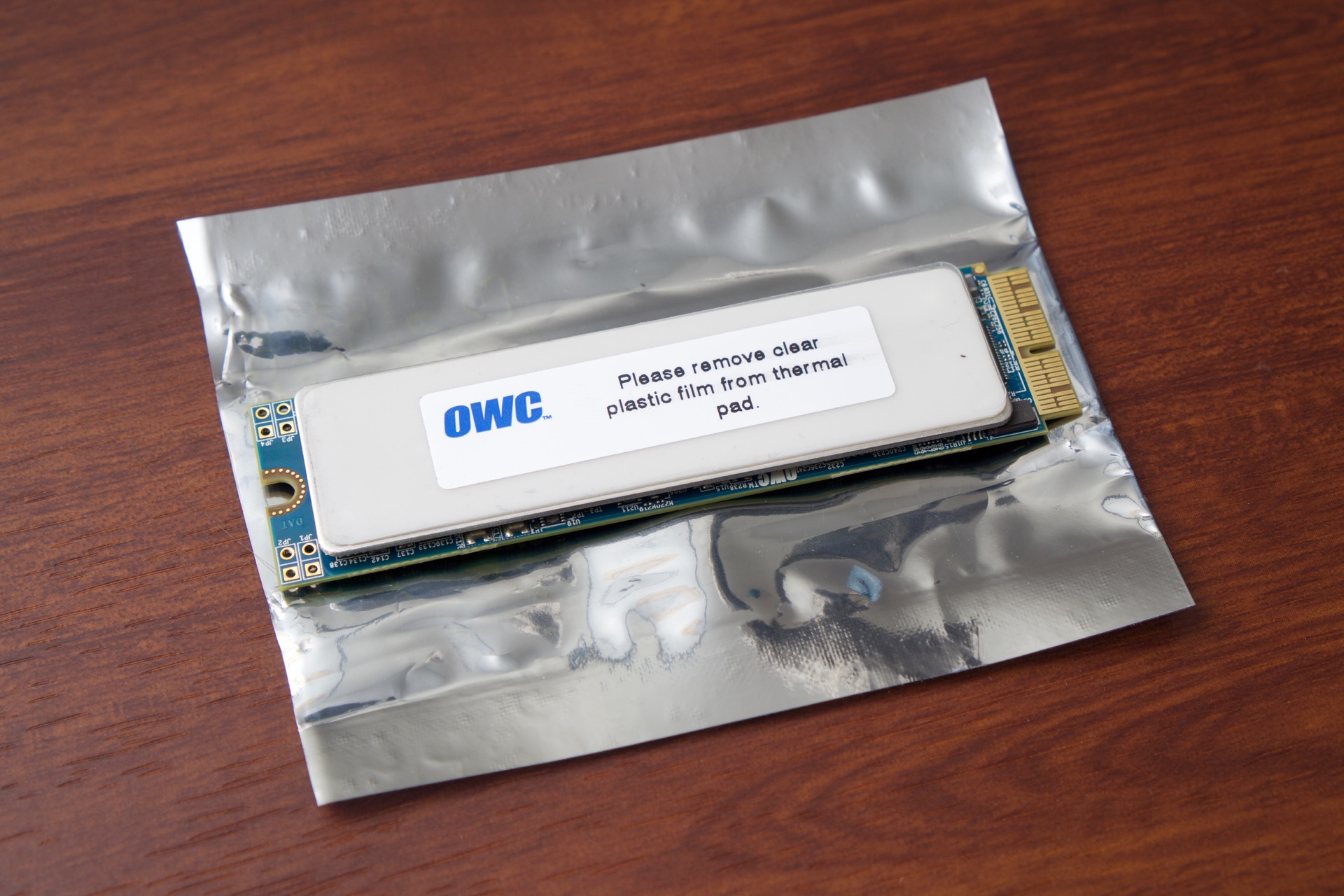
There’s not much you can do about parts that are soldered to the motherboard, but when it comes to proprietary connectors, the folks at Other World Computing are pretty good about offering aftermarket upgrades. OWC’s Aura SSDs, launched last month, finally give owners of post-2013 MacBook Airs and Retina MacBook Pros a way to increase their internal storage, in some cases well beyond the capacities that Apple itself offered.

We got a 1TB drive in for testing and came away mostly impressed. The drive isn’t perfect, but it's a decent way to lengthen the life of your Mac and give yourself more storage space if you regret buying one with a 128GB or 256GB SSD.

Read 17 remaining paragraphs | Comments

Report: Apple considering a paid search model for the App Store

Devs could pay to improve visibility of their apps in a crowded store.

(credit: Andrew Cunningham)

Apple has a team of "about 100 employees" working on search improvements for the iOS App Store, according to a report from Bloomberg. Of the improvements being considered, the only one the report specifically calls out is a potential system by which app developers could pay Apple to feature their apps in search results, not unlike a service that Google rolled out for Google Play developers early last year.

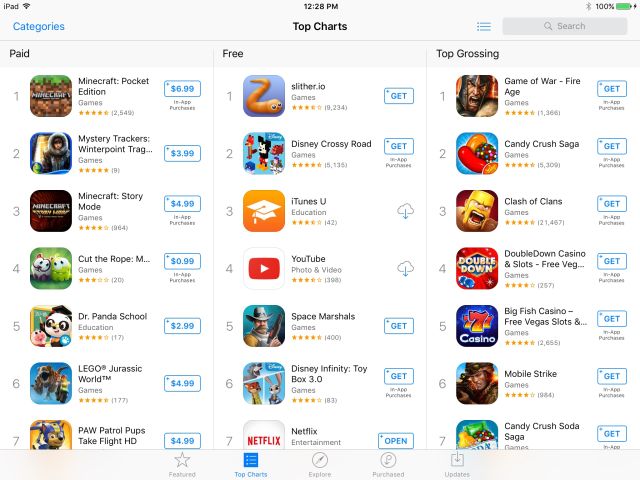
On the one hand, this might bring some order to the current App Store discovery process. The Top Charts are habitually stocked with the same big-name apps, which are more likely to stay in the Top Charts because that's how many apps are discovered in the first place. Search results are often packed with clone and knockoff apps. Apple curates lists of apps, but developers can't just sit around and wait for that to happen. Being able to pay money to improve visibility at least creates a clear chain of cause and effect that developers have some level of control over.

That said, charging for visibility might not actually solve any of those problems. Those with the money to pay Apple's fees could well be the same big-name app developers whose software already dominates search results and the Top Charts. And making enough money from your app to make paying for search results worthwhile could still be contingent on getting into those Top Charts or onto one of Apple's curated lists somehow.

Read 1 remaining paragraphs | Comments

Signs point to Apple abandoning OS X branding in favor of “MacOS”

Change would bring the Mac in line with iDevices, the Apple Watch, and Apple TV.

(credit: Apple)

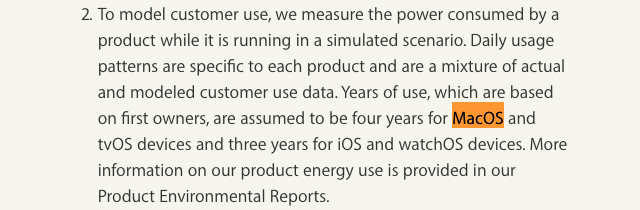
iOS, watchOS, tvOS, OS X. One of these things is not like the others, but it may not be that way for long. Today Apple launched a landing page detailing some of its environmental initiatives—an interesting read in its own right that builds upon some of what the company talked up at the iPhone SE event last month—and attentive readers will note that the page refers to the Mac's operating system not as OS X, but as "MacOS." This, along with a reference to "MacOS" buried in OS X 10.11.4 that was noticed by the Brazilian site MacMagazine a couple of weeks back, suggests that Apple is planning a change to its Mac operating system's branding for the first time in quite a while.

Apple's Mac operating system has gone through twelve major revisions and countless minor updates since the first OS X developer betas came to light in 1999, but for the better part of two decades the operating system has always been called "Mac OS X" or just "OS X." This may be Apple's opportunity to ditch that "ten" branding, modernizing it and bringing it in line with the rest of Apple's software platforms without necessarily declaring any particular update worthy of bumping the version number up to eleven.

Of course, nothing is certain until we get our first look at Apple's new operating systems at WWDC in June. But a branding change would make sense, especially if Apple took some time out of its opening day presentation to shine a light on the kind-of-neglected-looking Mac lineup (Macs and OS X were barely mentioned at all at the event in March or the iPhone 6S event last September).

Read on Ars Technica | Comments