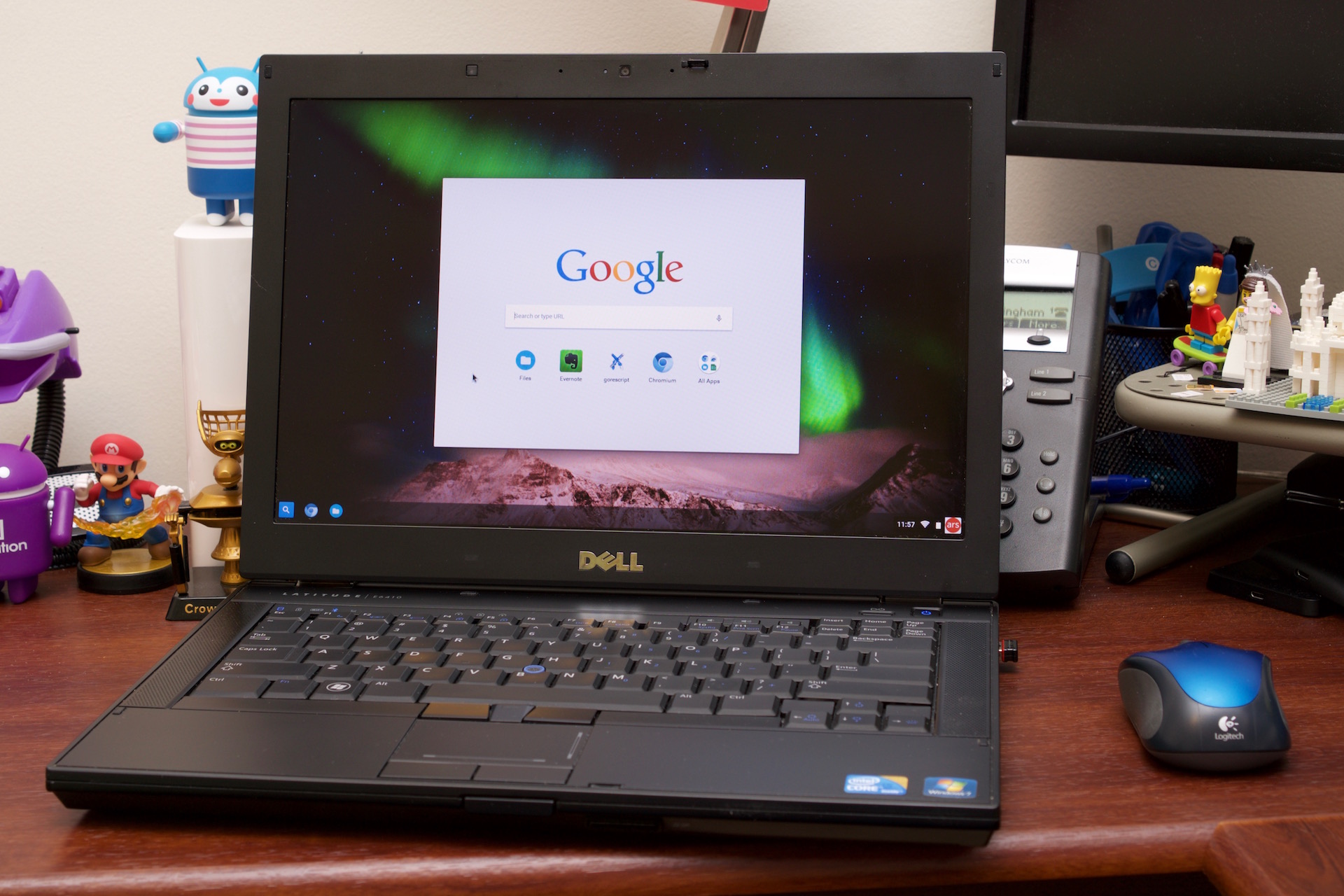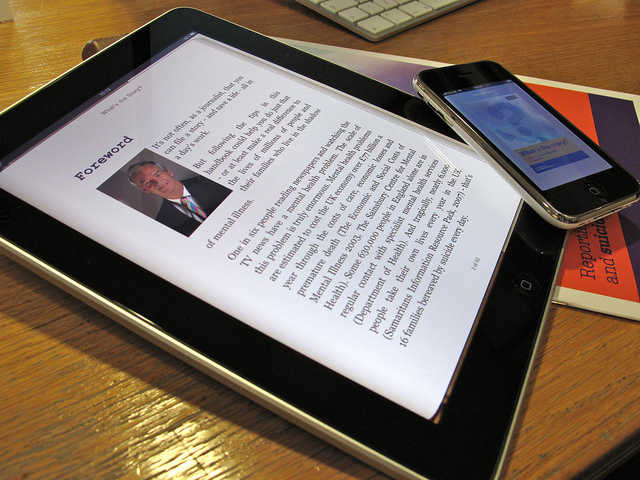
(credit: shiftstigma)
A US appeals court on Wednesday upheld the $450 million settlement that Apple agreed to (PDF) in an antitrust lawsuit over e-book price-fixing. After a district court found Apple liable for antitrust violations, the company settled for $450 million, but one consumer challenged that settlement figure, saying it was decided prematurely and was too low to represent a fair deal for e-book buyers.
Back in 2012, the Department of Justice followed a class-action lawsuit accusing Apple and five publishers (Penguin, HarperCollins, Hachette, Simon & Schuster, and Macmillan) of conspiring to offer e-books at price points between $12.99 and $14.99—well above Amazon’s $9.99 e-books. The publishers settled but Apple held out, and in June 2014 a Manhattan district court judge ruled that Apple was indeed violating antitrust law. Apple appealed the ruling, but it worked out a settlement deal later that year—if the company went through the appeals process and lost, it would pay $400 million to consumers in cash and e-book credits and $50 million to the plaintiff’s lawyers. But if Apple won a retrial, it would only pay $50 million to consumers and $20 million to lawyers. And if the decision were overturned on appeal, Apple would pay nothing.
Objector-Appellant John Bradley, a consumer who purchased e-books, appealed the District Court’s decision to approve the $450 million settlement that Apple agreed to. Bradley challenged "the fairness, reasonableness, and adequacy of the Settlement,” arguing that Apple should pay more for its alleged role in the scheme.
Read 2 remaining paragraphs | Comments







 Telekom und Huawei haben heute in Bonn 70 GBit/s im Mobilfunk übertragen. Mit Focal-Array-Technologie, die sich auch auf Metamaterialien stützt, seien lenkbare, Bleistift-förmige Richtstrahlen zwischen der Antennengruppe und den Geräten der Kunden erzeugt worden. (
 Der schleswig-holsteinische Zeitungsverlag verlangt einen Klarnamenzwang für Online-Kommentatoren. Nun bekommt er Ärger von der zuständigen Datenschutzbeauftragten Hansen. (
 Eine Sicherheitslücke wie im Film: Einbrecher deaktivieren die Alarmanlage, bevor sie in ein Haus eindringen. Die smarte Alarmanlage Simplisafe hat genau dieses Problem - und einen einfachen Patch gibt es leider nicht. (